How to Choose the Best Hyaluronic Acid Fillers for Skin Hydration
-

- Published Updated
- 630 views
Introduction
Hyaluronic acid fillers for hydration are injectable gel products designed to restore water-binding capacity and improve skin texture. This guide explains how these fillers differ, what to expect from treatment, and how to choose an option that fits clinical goals and safety needs.
- Purpose: Improve skin hydration, plump superficial lines, and boost elasticity with hyaluronic acid (HA) dermal fillers.
- Key factors: particle size, cross-linking, injection depth, and product viscosity determine hydration effect.
- Considerations: treatment goals, downtime, safety profile, and provider experience matter most.
- Detected intent: Commercial Investigation
Hyaluronic Acid Fillers for Hydration: How to Choose
How HA fillers improve skin hydration
Hyaluronic acid is a glycosaminoglycan that attracts and retains water. In filler form, HA is cross-linked into a gel that sits in the dermis or subdermal layer, boosting hydration locally and providing subtle volume. The visible outcome depends on gel concentration, cross-linking level, and how finely the product integrates into tissue.
Key product attributes to compare
- G prime (elasticity) and viscosity: Lower-viscosity gels spread more and are often used for skin hydration and fine lines; higher-viscosity gels hold shape for deeper volume.
- Particle size and cohesivity: Small, cohesive particles integrate smoothly and create a hydrated, dewy finish; larger particles lift more but may be less subtle.
- Cross-linking technology: Degree and method of cross-linking affect longevity and water uptake; more cross-linking tends to increase durability but can reduce integration.
- Intended injection depth: Superficial dermal placement targets hydration and texture; deeper injections target volume and contour.
Types and categories (secondary keyword: best hyaluronic fillers for skin hydration)
Products marketed specifically for hydration often use low-to-moderate cross-linking and are intended for superficial dermal injections. Other HA fillers are formulated for volumizing cheeks or lip augmentation and are not ideal for generalized skin hydration. Understanding these categories helps align product selection with clinical goals.
Safety, Standards, and Evidence
Regulatory oversight and published guidance provide baseline safety information for HA dermal fillers. For authoritative safety and regulatory details about dermal fillers, consult the FDA's resources on dermal fillers and cosmetic products (FDA Dermal Fillers Guidance). Professional societies such as the American Academy of Dermatology provide practice guidance on injection technique and complication management.
HYDRATE Checklist: A selection framework
Use the HYDRATE checklist to evaluate options before treatment. This named checklist organizes decision factors into a simple framework:
- H — Hydration goal: superficial dewy skin vs deeper volumizing?
- Y — Yield and viscosity: low for skin glow, high for lift.
- D — Depth of injection recommended by the manufacturer.
- R — Risk profile: allergy history, prior fillers, anticoagulant use.
- A — Area treated: face, neck, hands — choose product accordingly.
- T — Technique and injector skill required.
- E — Evidence: clinical studies, longevity, and published outcomes.
Practical Tips for Better Outcomes (secondary keyword: HA dermal fillers hydration guide)
Actionable points
- Choose products labeled for superficial dermal placement when the primary goal is skin hydration and texture improvement.
- Plan conservative volumes with staged treatments: modest correction reduces swelling and looks more natural.
- Discuss downtime and expected transient swelling or bruising with the provider; pre- and post-care instructions matter for recovery.
- Ensure the injector has experience with hydrating protocols and uses appropriate microdroplet or microcannula techniques for even spread.
Trade-offs and Common Mistakes
Trade-offs to consider
Lower-viscosity HA gels spread and integrate well for hydration but often last less time than more cross-linked fillers. Deeper, thicker fillers last longer but can create undesired fullness if used superficially. Choosing between durability and subtle hydration is a primary trade-off.
Common mistakes
- Injecting a volumizing filler superficially to chase hydration — can cause lumps or irregularities.
- Using excessive product in a single session instead of incremental treatments.
- Overlooking patient medical history (autoimmune conditions, recent procedures) that may affect safety.
Real-world Example
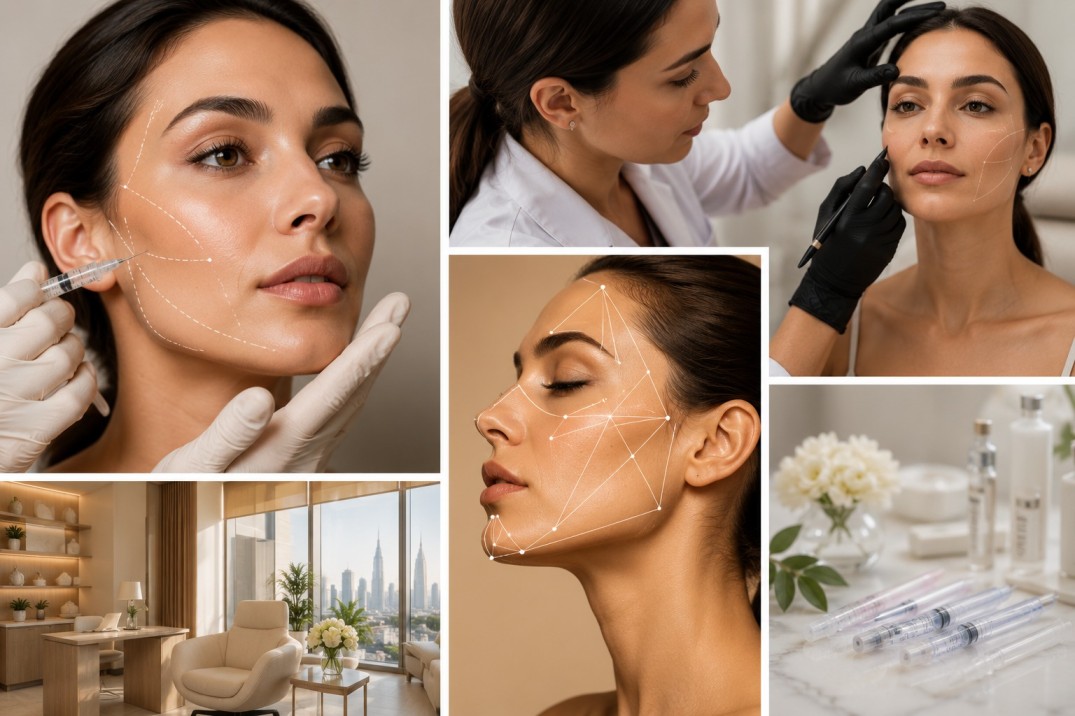
Scenario: A 45-year-old patient seeks improved cheek skin texture and reduced fine lines without a fuller look. The chosen approach uses a low-viscosity HA formulation placed with superficial microdroplet technique across the malar and cheek lateral zones in 0.1–0.2 mL aliquots per site. Expect subtle hydrating improvement within days and repeat sessions at 6–9 months based on response.
Core cluster questions
- How long do hydration-focused HA fillers typically last?
- What is the difference between skin-boosting HA injections and traditional volumizing fillers?
- Which injection techniques are best for even hydration and minimal downtime?
- Are there evidence-based protocols for treating neck and décolletage with HA fillers?
- How should complications from superficial HA injections be managed?
FAQ
Are hyaluronic acid fillers for hydration safe?
When performed by a trained injector using approved products, HA fillers have an established safety profile. Common short-term effects include swelling, redness, and bruising. Serious complications are rare but can include infection and vascular occlusion; prompt recognition and treatment reduce risk. Reference to regulatory guidance and professional society recommendations helps ensure safe practice.
How long do hydration results usually last?
Hydration-focused HA products generally last 4–9 months, depending on product chemistry and individual metabolism. Maintenance sessions lengthen cumulative benefits.
Can HA hydration treatments improve skin texture and elasticity?
Yes — by increasing dermal water content and providing structural support, HA fillers can soften fine lines and improve perceived elasticity. Combining with supportive skincare and sun protection improves durability of results.
What are signs of a poor result and how are they corrected?
Uneven texture, palpable nodules, or persistent swelling may indicate incorrect product choice or placement. Hyaluronidase can dissolve hyaluronic acid fillers if medically indicated; management should be handled by an experienced clinician.
How to choose an injector and set realistic expectations?
Select an injector with documented experience in skin-hydration protocols, ask to see before-and-after photos for similar indications, and confirm a clear treatment plan with staged volumes and follow-up. Discuss alternative or adjunctive options such as topical skincare, lasers, or microneedling if appropriate.