Top Places to Visit in Chile: Practical Guide to Must-See Sights
-

- March 05th, 2026
- 562 views

Get a free topical map and start building content authority today.
Chile stretches from the driest desert on earth to windswept southern glaciers, giving travelers a compact country with vast variety. This guide lists the best places to visit in Chile, explains what makes each place special, and shows how to connect them into a practical trip plan.
Intent: Informational
Best places to visit in Chile: overview
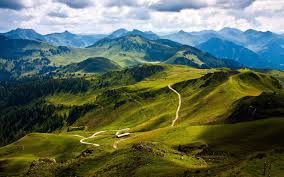
Chile's geography creates distinct regions: the arid north (Atacama), the central valleys and capital (Santiago, Valparaíso, wine country), the lake-and-volcano zone, and the rugged south (Patagonia, fjords). Each region suits different interests—stargazing, vineyards, beaches, hiking, wildlife, and indigenous culture. For practical planning, focus on 2–3 regions per trip unless traveling several weeks.
Top destinations and what to expect
Atacama Desert (north)
Highlights: Valle de la Luna, El Tatio geysers, salt flats, high-altitude lagoons, and world-class astronomy observing. Best for photographers and stargazers; altitude and cold nights require warm layers.
Santiago and nearby wine valleys
Highlights: Museums and markets in Santiago, day trips to Maipo, Colchagua, and Casablanca wine regions for tasting and winery tours. Good transport hub with international flights and bus/road links.
Valparaíso and coastal central Chile
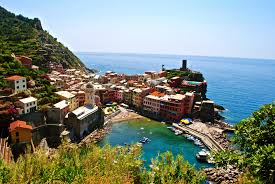
Highlights: UNESCO-style hills, colorful houses, murals, and port history. Combine with Viña del Mar beaches or a coastal drive along Ruta 68.
Lake District and Araucanía
Highlights: Lakes, volcanoes (Villarrica), forests, and Mapuche culture. Outdoor activities include kayaking, volcano hikes, and hot springs.
Patagonia and Torres del Paine
Highlights: Dramatic granite towers, glaciers, lenga forests, and wildlife. Ideal for multi-day treks (W or O circuits), day hikes, glacier boat trips, and photographing dramatic landscapes. Note: things to do in Patagonia Chile often include guided treks, glacier walking, and boat tours to Grey Glacier.
Chiloé and the southern archipelago
Highlights: Wooden churches (UNESCO), palafitos (stilt houses), unique mythology, and seafood. Less-visited island culture with birdlife and coastal drives.
Rapa Nui (Easter Island)
Highlights: Moai statues, archaeology, and Polynesian culture. Flights from Santiago; permits and respect for local sites are essential.
Sample Chile travel itinerary 10 days
For travelers searching for a concise plan, a balanced option is a 10-day loop: 3 days in Santiago and Valparaíso + 3–4 days in Atacama (flights add time) OR 3–4 days in Torres del Paine if visiting the south. This sample itinerary helps evaluate travel time and priorities.
Sample scenario
Example: A 12-day trip that starts in Santiago (2 days cultural), flies to Calama for Atacama (3 days), returns to Santiago and connects to Punta Arenas then Puerto Natales for Torres del Paine (4 days), and finishes back in Santiago. This mixes deserts and mountains but requires multiple flights—ideal for travelers who prefer diverse landscapes over a single-region deep dive.
Planning framework: C.A.R.E. trip checklist
- Choose — pick regions based on interests (nature, culture, wine, archaeology).
- Arrange — book major flights and long-distance buses early during peak season (Dec–Feb and Patagonian summer).
- Reserve — secure park permits, guided treks, and special activities (e.g., Torres del Paine campsites, Rapa Nui access).
- Evaluate — check weather windows, gear needs, and travel insurance; adjust pace for altitude and regional distances.
Practical tips
- Pack for layers—coastal, desert, and mountain climates vary dramatically, even within a single day.
- Book Torres del Paine permits and popular Atacama tours well in advance during Austral summer.
- Use Santiago as a logistical hub—many domestic flights connect here to northern and southern gateways.
- Carry cash in smaller towns; cards are widely accepted in cities but remote areas may be cash-first.
Trade-offs and common mistakes
Trade-offs: Choosing breadth vs depth is the biggest decision. Visiting both Atacama and Patagonia in one short trip means more flights and less time exploring each place. Common mistakes include underestimating travel times, not reserving peak-season park access, and ignoring altitude effects in northern highlands.
Core cluster questions
- What is the best time to visit Torres del Paine?
- How many days are needed for Atacama Desert?
- Which regions in Chile are safe for solo travelers?
- How to combine wine country with Santiago in one day trip?
- What permits are required for hiking in Chilean national parks?
For up-to-date entry, safety, or tourism notices, check the official Chile tourism site: Chile Travel.
Practical booking and safety notes
Reserve long-distance transportation and park access early in high season. Respect local regulations—many national parks are managed by the Chilean national parks authority and have rules for camping and trail use. Travel insurance that covers delays and medical evacuation is recommended for remote areas.
FAQ
What are the best places to visit in Chile?
Top picks by interest: Atacama for landscapes and stargazing; Santiago and nearby wine valleys for culture; Valparaíso for coastal cities and art; Lake District for lakes and volcanoes; Torres del Paine and Chilean Patagonia for hiking and glaciers; Rapa Nui for archaeology and moai. Pick 2–3 regions per trip to avoid rushed travel.
When is the best time to visit Chile for trekking?
Patagonia trekking season is roughly November–March (Southern Hemisphere spring and summer). For the Atacama Desert, many visit year-round but spring and autumn avoid extreme heat or cold nights. Weather windows vary by region.
How many days should be allocated for Torres del Paine?
A minimum of 3–4 days allows short hikes and a glimpse of main viewpoints; a full W circuit requires 4–6 days; the O circuit takes 7–10 days. Book campsites or refugios early.
Can a single 10-day Chile travel itinerary cover Atacama and Patagonia?
It is possible but will be flight-intensive. A 10-day trip that includes both typically allocates 3–4 days to each destination and uses Santiago as a transit hub. For deeper experiences, prioritize one region per trip.
Are guided tours necessary in Chile's national parks?
Guided tours are recommended for glacier travel, technical treks, and regions with limited infrastructure. Many day hikes and sightseeing areas can be visited independently with proper preparation.