Scalp Micropigmentation Guide: What It Is, How It Works, Cost & Aftercare
-

- March 04th, 2026
- 628 views

👉 Best IPTV Services 2026 – 10,000+ Channels, 4K Quality – Start Free Trial Now
Scalp Micropigmentation: What It Is and Who It's For
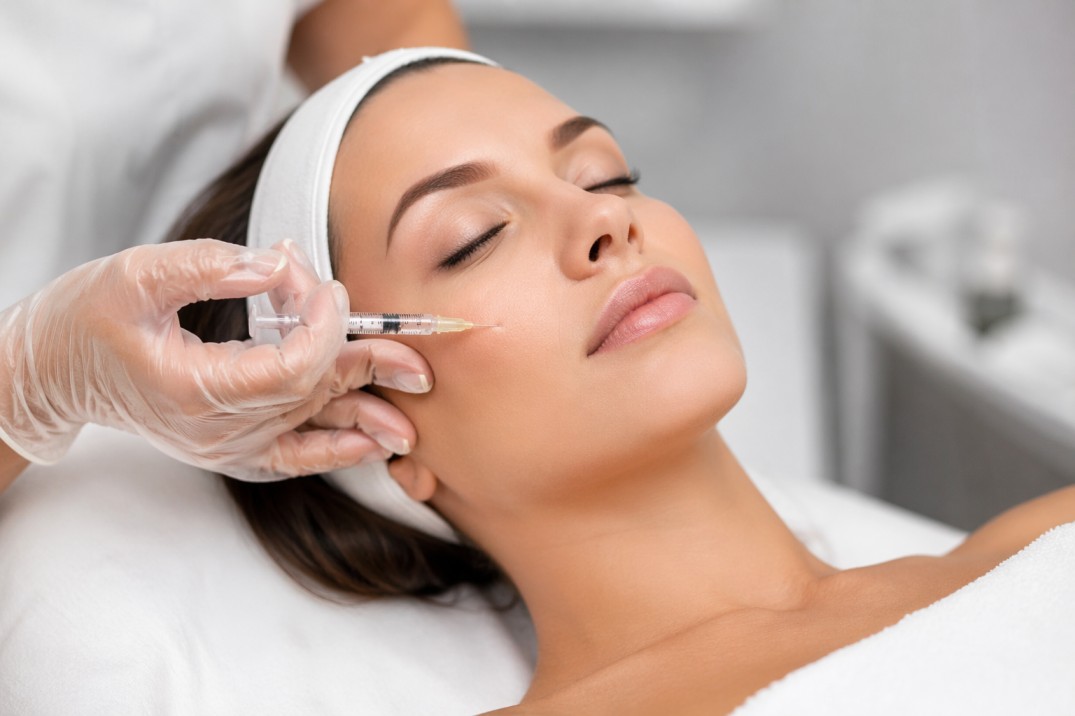
Scalp micropigmentation is a non-surgical cosmetic procedure that deposits tiny pigment dots into the upper dermis of the scalp to recreate the appearance of hair follicles. This guide explains how SMP works, realistic outcomes, typical SMP treatment cost and scalp micropigmentation aftercare, and how to choose a qualified provider. Detected intent: Informational
- SMP creates a natural-looking hairline or density illusion by placing pigment into the scalp.
- Treatment usually takes 2–4 sessions; results last years but require touch-ups.
- Costs vary widely; vet technique, hygiene, and pigment quality before booking.
How scalp micropigmentation works: basics and terminology
The SMP process uses specialized needles and pigments to create micro-dots matched to natural hair color and scalp tone. Terms to know: pigment retention (how well color holds), needle depth (microns into the dermis), Norwood scale (pattern hair-loss classification), alopecia areata (autoimmune hair loss), and cosmetic tattooing (the broader category SMP belongs to). Scalp micropigmentation is different from a traditional tattoo: pigment color, particle size, and application technique are tuned for realistic follicle simulation.
3-Step SMP Assessment Framework (named model)
A simple framework to evaluate candidacy and plan treatment:
- Diagnosis: Confirm hair loss type (male pattern, female diffuse, alopecia areata) and rule out active scalp disease.
- Design & Color Match: Map the hairline, choose pigment shade, and create a session plan based on desired density.
- Technique & Aftercare: Set needle depth, schedule sessions, and agree on aftercare and touch-up timelines.
SMP Readiness Checklist
- Medical clearance if under 18, pregnant, or taking blood-thinners
- Realistic expectation for density vs. regrowth
- Sample photos of desired hairline and natural hair color
- A clear plan for sessions (usually 2–4) and a touch-up schedule
Step-by-step: what to expect during SMP sessions
Procedural steps are predictable and repeatable when performed by trained technicians. Typical session workflow:
- Consultation and consent: health history, photos, and hairline design.
- Patch test for pigment and a test dot if concerns about color match exist.
- First session: base coverage and hairline establishment (2–4 hours depending on area).
- Follow-up sessions: layering and density adjustments spaced 7–21 days apart.
- Final touch-up after 2–6 months; ongoing touch-ups every 2–5 years depending on pigment fading.
Choosing a provider, SMP treatment cost, and scalp micropigmentation aftercare
Selecting a clinic affects safety and results. Costs reflect skill, location, and the treatment area: a hairline-only treatment is less than full-scalp density work. Expect regional price ranges and ask for a written treatment plan and before/after portfolio.
When researching safety and clinical guidance for hair-loss care, consult reputable sources such as the American Academy of Dermatology - hair loss for background on hair conditions and when medical evaluation is appropriate.
Typical cost drivers
- Surface area treated (hairline, crown, full scalp)
- Technician experience and geographic market
- Number of sessions and pigment quality
Aftercare essentials
Proper scalp micropigmentation aftercare increases pigment retention and reduces infection risk. Common instructions include keeping the area dry for 48–72 hours, avoiding sweating and sun exposure for 1–2 weeks, and using recommended gentle cleansers. Avoid aggressive exfoliation and chemical treatments on the scalp for at least four weeks.
Results, longevity, trade-offs and common mistakes
Results appear immediately but soften as healing occurs. Longevity varies: most people need touch-ups after 2–5 years depending on skin type, sun exposure, and pigment used.
Trade-offs
- Realistic density vs. actual regrowth: SMP simulates density but does not regrow hair.
- Permanent vs. changeability: pigment can be lightened with laser but is more permanent than temporary concealment options.
- Natural vs. bold hairline: conservative designs age better; overly aggressive hairlines can look unnatural as facial features change.
Common mistakes to avoid
- Choosing price over portfolio: very low cost often means lower skill or poor pigment.
- Skipping a consultation or patch test: increases risk of mismatched color or allergic reaction.
- Ignoring aftercare: can lead to poor retention, infection, or uneven results.
Case example and practical tips
Real-world scenario: A 35-year-old with Norwood 4 male pattern hair loss wants a defined yet natural hairline. After medical clearance, the technician uses the 3-Step SMP Assessment Framework: confirms pattern, designs a slightly recessed hairline to age well, and schedules three sessions. The client follows aftercare: no heavy exercise for 5 days, gentle washing after 72 hours, sun protection. Touch-up at 18 months refines density.
Practical tips
- Bring multiple reference photos of desired hairline angles and density.
- Ask to see healed photos (not only fresh results) to evaluate real-world outcomes.
- Confirm pigments are suitable for skin tone and ask about fade characteristics.
- Plan for at least two sessions; expect layering rather than a single finished pass.
- Protect the scalp from strong sun and tanning beds to slow pigment fading.
Core cluster questions
- How long does scalp micropigmentation last compared with other hair-loss options?
- What medical conditions or medications disqualify someone from SMP?
- How is color matched and what causes pigment to change over time?
- What are realistic expectations for density after SMP versus hair transplant?
- How should touch-ups be scheduled and how much do they typically cost?
Final checklist before booking
- Verify sterile technique and single-use needles
- Review a written treatment plan and session timeline
- Confirm aftercare instructions in writing
- Ask about pigment ingredients and removal policies
Frequently asked questions
What is scalp micropigmentation and is it right for me?
Scalp micropigmentation is a cosmetic procedure to simulate hair follicles on the scalp. It suits people seeking the appearance of a fuller hairline or density without surgery, those with thinning hair, or people with certain forms of alopecia. A medical evaluation is recommended when hair loss is sudden or accompanied by scalp inflammation.
How long does an SMP session take and how many sessions are required?
Sessions vary by area treated: hairline work can take 1–2 hours, larger areas 2–4 hours. Most plans require 2–4 sessions spaced about 1–3 weeks apart to build natural-looking density.
What does SMP treatment cost and how is pricing structured?
Costs depend on surface area, provider experience, and location. Pricing models include flat fee per session or package pricing for a full treatment plan. Request a detailed quote that lists sessions, touch-ups, and any follow-up fees.
Can SMP be combined with hair transplants or other treatments?
SMP can complement hair transplants by improving perceived density or camouflaging scar tissue. Providers often coordinate with surgeons to optimize timelines and visual outcomes.
Will SMP look natural on darker or lighter skin tones?
When performed by an experienced technician who matches pigment tone and adjusts dot size and spacing, SMP can look natural across a range of skin tones. Ask to see healed examples on similar skin tones during the consultation.