Modern Hair Transplant Techniques in Dubai: FUE, DHI, Robotic Options & Recovery
-
- March 11th, 2026
- 485 views

Get a free topical map and start building content authority today.
Introduction: How hair transplant techniques Dubai are evolving
The landscape of hair restoration has shifted rapidly in the past decade, and hair transplant techniques Dubai now include advanced manual and device-assisted procedures such as FUE, DHI, and robotic harvesting. This guide explains what those techniques are, how they differ, what to expect during recovery, and how to choose a clinic with evidence-based practices.
Detected intent: Informational
Key takeaways: Dubai offers a full range of modern hair transplant techniques (FUE, DHI, robotic-assisted). Evaluate technique choice by donor characteristics, desired density, and aftercare commitment. Use the P.A.T.I.E.N.T. framework and a short PRE-OP checklist before travel.
hair transplant techniques Dubai: overview and terminology
Clinics in Dubai commonly offer several established procedures: follicular unit extraction (FUE), follicular unit transplantation (FUT or strip), direct hair implantation (DHI), and robotic-assisted FUE. Related adjuncts include platelet-rich plasma (PRP), microneedling, and cellular therapies aimed at improving graft survival and scalp health. Understanding basic terms—graft, donor area, graft survival rate, recipient site, and density—is essential before comparing options.
How modern techniques differ: FUE, FUT, DHI, and robotic systems
FUE (Follicular Unit Extraction)
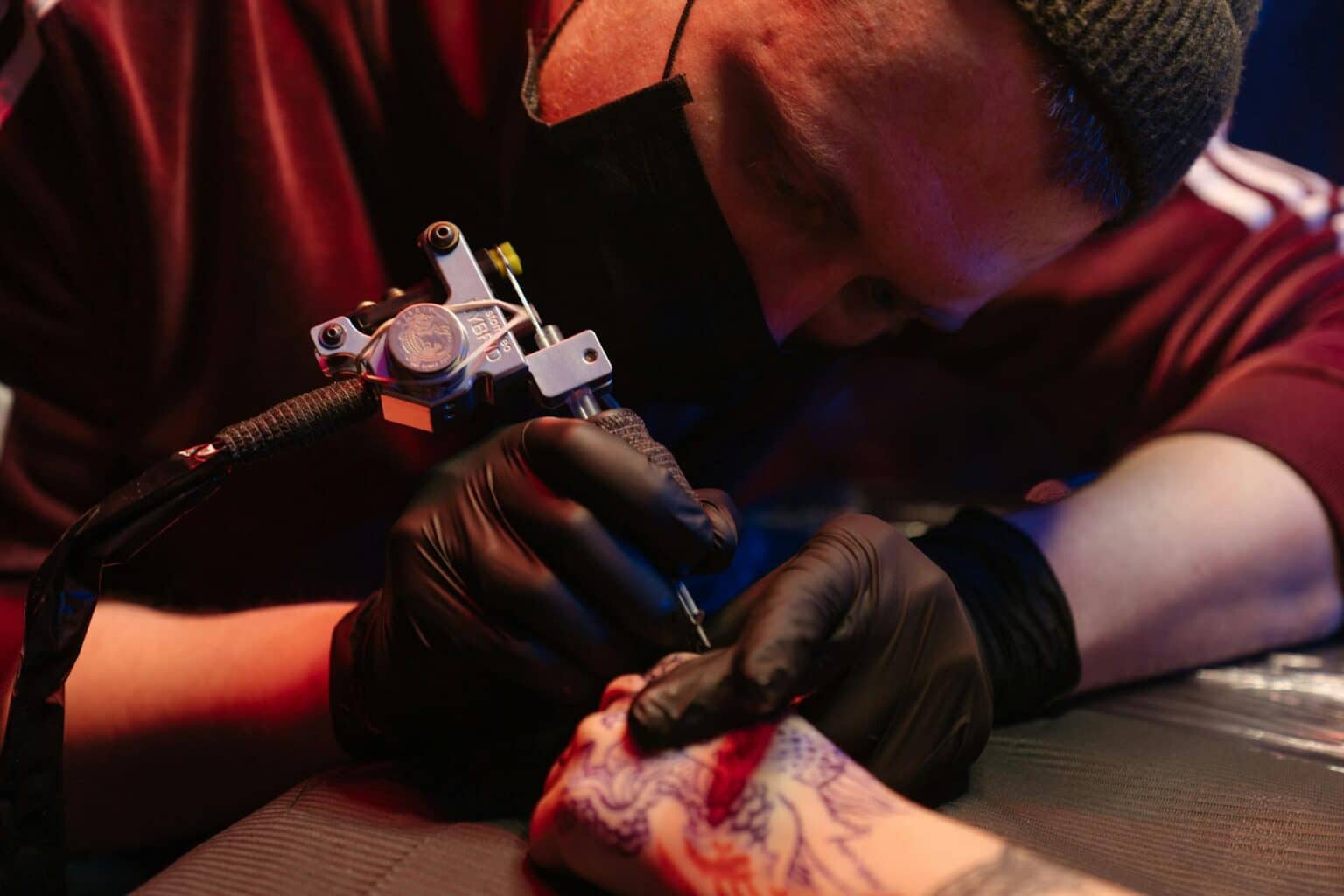
FUE removes individual follicular units from the donor area with small punches. Advantages: minimal linear scarring and faster short-term recovery. Consider FUE for patients who prefer short hair or have limited donor requirements.
FUT (Strip method) and when it's still used
FUT extracts a strip of scalp and yields high graft counts in a single session. It leaves a linear scar but can be more efficient for very large sessions. Choose FUT when the surgeon anticipates the need for maximum graft yield and the patient accepts scarring trade-offs.
DHI and direct implantation
DHI uses an implanting pen to place grafts immediately after extraction, reducing out-of-body time. It can offer fine control over angle and depth in the recipient area, which may improve cosmetic outcome in selective cases.
Robotic hair transplant Dubai: automation and consistency
Robotic systems automate aspects of FUE harvesting to increase consistency in punch placement and reduce fatigue-related errors. Robots are a tool, not a guarantee: operator training, graft handling, and post-op care remain decisive for results.
Choosing between techniques: trade-offs and common mistakes
Trade-offs to consider
- Scarring vs. graft yield: FUT may give higher graft counts but leaves a linear scar; FUE limits visible scarring but can require multiple sessions for the same yield.
- Short-term recovery vs. precision: DHI may permit precise placement but typically increases procedure time and cost.
- Technology vs. technique: Robotic assistance improves repetition and some accuracy metrics but cannot replace surgical judgement or poor graft handling.
Common mistakes
- Focusing only on the device or clinic marketing rather than surgeon experience and outcomes.
- Underestimating the importance of donor density assessment and realistic planning for future hair loss.
- Neglecting aftercare and realistic recovery timelines—poor aftercare increases graft failure risk.
P.A.T.I.E.N.T. framework: a named model for planning hair transplant care
Use the P.A.T.I.E.N.T. framework to prepare and evaluate a hair transplant plan:
- Prepare: medical review, medications, smoking/alcohol counseling.
- Assess: donor density mapping, hair characteristics (curl, caliber), scalp laxity.
- Technique selection: match FUE/FUT/DHI/robotic to goals and donor supply.
- Informed consent: clear expectations on density, scarring, and need for future sessions.
- Execution: graft extraction, handling, and implantation protocols.
- Nutrition/Aftercare: PRP option, topical/minoxidil plans, sun protection.
- Timeline: follow-up schedule for suture removal (if FUT), check graft survival, and long-term monitoring.
Practical PRE-OP checklist before traveling to a Dubai clinic
- Collect medical records and recent photos from multiple angles.
- Confirm surgeon credentials and before/after galleries for similar cases.
- Discuss anesthesia options and post-op care plans, including a day-by-day recovery outline.
- Arrange follow-up—either local or via telemedicine—and secure contacts for complications.
Short real-world example
Case scenario: A 35-year-old male with Norwood 3 androgenetic alopecia sought fuller frontal density. Assessment revealed adequate donor density for a 1,800-graft session. The team chose FUE with PRP adjunct to improve healing. Timeline: day 0 procedure; days 1–7 mild swelling and scabbing; weeks 2–12 shedding and telogen phase; month 6 early regrowth; month 12 visible density improvement. Outcome: realistic increase in frontal density with preserved natural hairline and acceptable scarring.
Practical tips for better outcomes
- Choose a surgeon based on portfolio and complication rates rather than price alone.
- Follow the clinic's pre-op medication guidance—avoid NSAIDs and blood thinners as directed.
- Protect the scalp from direct sun for several weeks after surgery to prevent pigment changes and graft stress.
- Prioritize gentle graft handling and minimal out-of-body time—these factors directly influence graft survival.
Regulation, safety, and evidence
Standards and recommended best practices are published by professional organizations such as the International Society of Hair Restoration Surgery (ISHRS). For evidence-based patient information and surgeon resources, consult ISHRS materials and position statements for guidance on safety and outcome measures. ISHRS official site
Core cluster questions (use for internal linking and topic expansion)
- How does FUE compare to FUT for long-term hair restoration?
- What is the recovery timeline after a DHI procedure?
- How do robotic hair transplant systems work and when are they useful?
- What preoperative tests and medical clearances are recommended before a hair transplant?
- How do adjunct therapies like PRP and microneedling affect graft survival?
Common post-op recovery questions and timeline
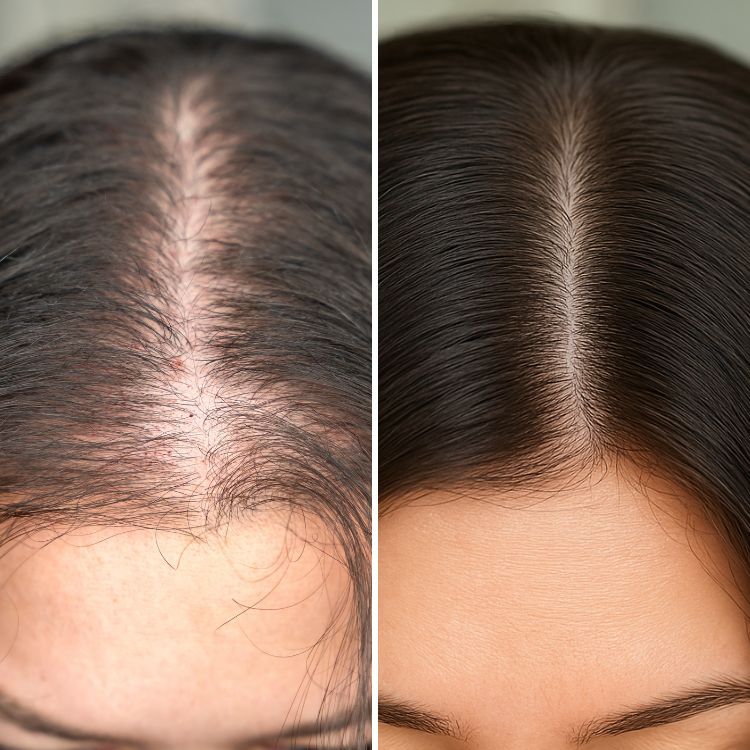
Typical recovery: first week—scabbing and mild swelling; 2–4 weeks—transplanted hairs often shed (telogen); 3–6 months—initial regrowth; 9–12 months—noticeable density change. Longer-term monitoring is needed for progressive hair loss and potential follow-up sessions.
Costs and logistics in Dubai
Costs vary widely by technique, graft count, and clinic reputation. Expect a range depending on session size and extras like PRP or accommodation. Travel logistics: plan for a local stay of at least 5–7 days for immediate follow-up, and confirm telemedicine support for remote recovery checks.
Final considerations
Technique choice should match biology, expectations, and willingness to follow post-op care. Technology (robotics, DHI pens) can improve certain steps, but surgical planning, graft handling, and patient compliance remain central to success.
FAQ
What are the most effective hair transplant techniques Dubai clinics offer?
Effectiveness depends on patient-specific factors: FUE, FUT, DHI, and robotic-assisted FUE are all used. FUE is popular for minimal visible scarring, FUT can yield higher graft counts in one session, and DHI offers precise placement. The best technique depends on donor supply, target density, and patient goals.
How long is recovery after a robotic hair transplant?
Recovery timelines are similar to manual FUE: most patients resume light activities within a few days, expect scabbing for 7–14 days, and see significant regrowth by 6–12 months. Robotic assistance primarily affects harvesting consistency rather than the biological healing timeline.
Is DHI better than FUE for front hairline work?
DHI can offer precise control of angle and depth, which may be beneficial for hairline design. However, experienced FUE surgeons can achieve comparable natural results. The deciding factors are surgeon skill and graft handling, not just the label of the technique.
What are common complications and how are they managed?
Complications include infection (rare with proper sterile technique), poor graft survival, shock loss of native hair, and unacceptable scarring. Early management involves antibiotics for infection, supportive wound care, and, if needed, revision surgery. Choose a team with clear complication protocols and follow-up plans.
How should patients compare clinics and surgeons in Dubai?
Compare documented before/after results for similar cases, verify surgeon credentials and membership in professional societies (e.g., ISHRS), request detailed pre/post-op protocols, and confirm transparent pricing and follow-up care. In-person or virtual consultations can clarify expectations and planning.