Semitrailer Manufacturing Process: Techniques, Checklist, and Best Practices
-

- May 07th, 2026
- 378 views

FREE SEO Topical Map Generator: Find Your Next Content Ideas
Introduction
The semitrailer manufacturing process covers the engineering, fabrication, assembly, and quality verification steps needed to produce safe, durable trailers for freight. This guide explains core techniques used in modern shops, design and materials trade-offs, and a practical checklist that production teams can apply to reduce rework and warranty costs.
What this guide delivers: an overview of frame and body fabrication techniques, semitrailer frame welding methods, trailer assembly quality control practices, a named FABRICATE checklist, a short real-world example, and tips to avoid common mistakes.
Detected intent: Informational
Semitrailer manufacturing process: Key stages
The semitrailer manufacturing process typically follows five high-level stages: design & engineering, material preparation, frame fabrication, body and system assembly, and final inspection & testing. Each stage combines skills in metallurgy, welding, machining, and vehicle systems integration.
Design & engineering
Engineering decisions set the rest of the process: selecting steel grade or aluminum alloy, specifying cross-member patterns, suspension and axle capacity, and corrosion protection. Use relevant standards from SAE, ISO, or national transport authorities when sizing components and brakes.
Material preparation and cutting
Raw material staging, laser or plasma cutting, CNC punching, and deburring ensure parts fit precisely. Accurate nesting reduces waste and helps keep welding fit-up consistent.
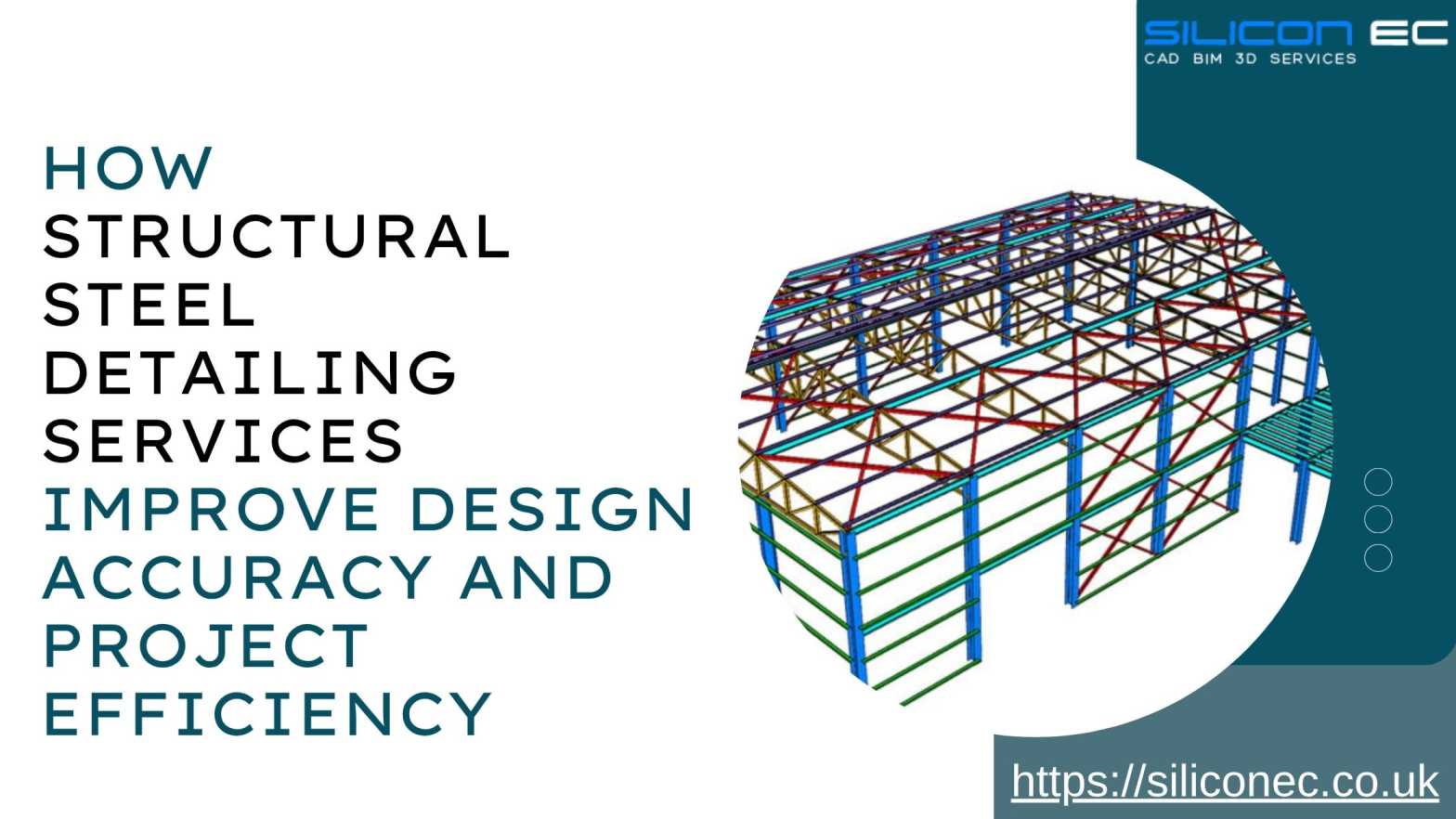
Frame fabrication and welding
Frame assembly is the structural backbone. Common welding approaches include shielded metal arc welding (SMAW), gas metal arc welding (GMAW/MIG), and flux-cored arc welding (FCAW). Choosing between these depends on material thickness, joint design, production volume, and required mechanical properties.
Seam and joint handling
Proper joint preparation—cleaning, beveling, and tack welding—controls distortion. Use fixtures and clamps to hold alignment during multi-pass welds.
Body systems, finishing, and assembly
After the frame is complete, floors, walls, suspension, axles, brakes, wiring harnesses, lighting, and couplers are installed. Surface treatment—sandblasting, priming, and powder coating or paint—follows to deliver corrosion resistance.
Inspection, testing, and trailer assembly quality control
Quality control covers dimensional checks, weld inspection (visual, dye-penetrant, or ultrasonic for critical joints), load tests, braking performance, and electrical system verification. A documented Quality Assurance plan reduces warranty risk and supports regulatory compliance.
FABRICATE checklist: A named framework for consistent builds
Apply the FABRICATE checklist during every build to standardize output and reduce variability.
- Fixturing confirmed — verify fixtures and gauges before welding.
- All materials checked — certificates, dimensions, and cut lists validated.
- Back-gouge/cleanup scheduled — prepare multi-pass welds and joints.
- Reference drawings followed — confirm latest revision and tolerances.
- Inspection points marked — non-destructive testing where required.
- Corrosion protection planned — primer and coating specified.
- Assembly sequence confirmed — minimize rework by planning sub-assemblies.
- Test procedures defined — braking, load, and electrical tests ready.
- End-of-line audit — final paperwork and traceability completed.
Practical welding and material choices
Seam options and semitrailer frame welding methods
For thick high-strength steels, FCAW with controlled heat input is common; MIG welding suits thinner sections and robotic cells. Preheat and interpass temperature control preserve toughness in higher-strength steels. For aluminum frames, TIG or MIG with appropriate shielding reduces porosity.
Trailer assembly quality control: measurable checkpoints
Specify measurable acceptance criteria: maximum weld porosity, allowed dimensional tolerances for kingpin location, axle track width, and brake efficiency percentages. Record results and link to component lot numbers for traceability.
Short real-world example
Scenario: Building a 40-foot flatbed for regional freight. Design selects S355 high-strength structural steel for main rails, 3 cross-members per meter, tandem axles rated for 22,000 lbs each, and air brakes. Frame welded using FCAW on a clamped fixture table, then sandblasted and epoxy-primed. Assembly included mechanical suspension attachment, wiring harness routed in conduit, and a final static load test at 1.5x rated payload. Outcome: first-pass acceptance after dimensional tweaks saved two days versus earlier rework-prone runs.
Practical tips for manufacturing teams
- Document and lock revision-controlled drawings at the CNC and welding stations to prevent assembly errors.
- Invest in jigs and modular fixtures that speed repeatable alignment and reduce distortion control costs.
- Use weld procedure specifications (WPS) and keep operator qualifications current to ensure consistent weld quality.
- Automate repetitive cutting and tack-welding where volumes justify capital cost to improve throughput and reduce variability.
Trade-offs and common mistakes
Material selection trade-offs
Higher-strength steel reduces weight but raises demands on welding control and may increase susceptibility to brittle fracture if heat input is unmanaged. Aluminum saves corrosion weight but requires different joining and corrosion-isolation strategies.
Common mistakes
- Skipping fit-up fixtures to save time, leading to cumulative dimensional error.
- Failing to control weld interpass temperatures on high-strength steel, which reduces toughness.
- Under-specifying quality control checkpoints, causing field failures and costly recalls.
Regulatory and standards references
Follow national vehicle standards and industry guidance for braking, lighting, and coupling systems. For example, national transport authorities provide regulations and guidance on safe trailer construction; see the Federal Motor Carrier Safety Administration site for regulatory information FMCSA.
Core cluster questions
- What are the steps in an efficient trailer frame fabrication workflow?
- Which welding methods work best for high-strength trailer steels?
- How should a quality control plan be structured for semitrailer production?
- What corrosion protection systems are durable for trailers in coastal climates?
- How to choose axle and suspension layouts for regional versus long-haul semitrailers?
FAQ
What is the semitrailer manufacturing process?
The semitrailer manufacturing process starts with engineering and material selection, moves through cutting and frame fabrication, proceeds to body and systems assembly, and ends with inspection, testing, and documentation. Key activities include welding, surface treatment, axle and suspension installation, and final functional tests.
Which welding methods are typical for semitrailer frames?
Common methods include FCAW, GMAW (MIG), and SMAW, chosen based on material thickness, production volume, and desired mechanical properties. Process controls and WPS documents ensure repeatable weld quality.
How important is trailer assembly quality control?
Trailer assembly quality control is critical. Dimensional errors, poor welds, or inadequate braking systems can cause safety failures. Implement a documented inspection plan with traceability to component lot numbers to reduce risks.
What are common causes of frame distortion and how can they be avoided?
Frame distortion typically arises from uneven heat input during welding, poor fixturing, or improper sequence. Avoid distortion by using fixtures, controlling interpass temperatures, and sequencing welds to balance stresses.