
Oval Whirlpool Tubs: Complete Buying, Installation & Care Guide
-
- March 01st, 2026
- 462 views

FREE SEO Topical Map Generator: Find Your Next Content Ideas
Oval Whirlpool Tubs: Complete Buying, Installation & Care Guide
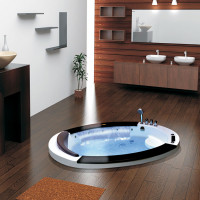
Oval whirlpool tubs bring a blend of ergonomics, hydrotherapy, and style to modern bathrooms. This guide explains how to choose oval whirlpool tubs for comfort, practical installation, maintenance, and safety so decisions are confident and long-lasting.
What this covers: sizing and layout tips, installation cost ranges, material and pump choices, maintenance checklist, and common mistakes to avoid. Detected intent: Informational
Oval whirlpool tubs: choosing the right model
Primary considerations when selecting an oval whirlpool tub include bathroom footprint, water capacity, jet configuration, material (acrylic, cast polymer, or enameled steel), and the motor/pump type. Jets vary from focused hydrotherapy jets to air-jet systems that provide gentler effervescence. Typical water capacity for oval models ranges from 50 to 90 gallons depending on depth and length—this affects heater sizing and water usage.
Sizing and layout checklist
- Measure finished floor-to-ceiling, footprint, and access path for delivery.
- Allow at least 15–18 inches clearance on the user-facing side for safe entry and exit.
- Confirm plumbing and electrical access: whirlpool pumps usually require a GFCI-protected dedicated circuit.
Installation cost: oval bathtub installation cost expectations
Installation cost depends on removal of the old tub, framing, plumbing adjustments, electrical hookups for the pump, and finish work. Typical ranges: replacing like-for-like in a simple setup $800–$2,500; full remodel with relocation or reinforced floor $2,500–$8,000+. Always get at least two licensed estimates and confirm local permit requirements.
Permits, codes, and safety
Local building codes determine electrical circuit sizing and whether a permit is required. For safety best practices and general home-product guidance, consult the Consumer Product Safety Commission: Consumer Product Safety Commission (CPSC).
Design differences: oval soaking tub vs whirlpool
An oval soaking tub prioritizes water depth and ergonomic contours for a passive soak with lower complexity and maintenance. A whirlpool adds pumps and jets for therapeutic circulation. Trade-offs: whirlpools require more maintenance (jet cleaning), higher initial cost, and electrical work; soaking tubs are simpler and use less water for the same immersion level.
Common mistakes when choosing
- Assuming all oval tubs fit standard alcoves—verify footprint and plumbing offsets.
- Ignoring pump access panels—service access should be planned before finishing walls.
- Overlooking water heater capacity—larger tubs may require a higher-capacity water heater or on-demand system.
O.W.N.E.R. selection checklist (named framework)
Use the O.W.N.E.R. checklist to evaluate options quickly:
- O — Orientation & footprint: Will it fit and allow access?
- W — Water capacity & heater match: Can the home supply enough hot water?
- N — Noise & motor access: Is the pump quiet and serviceable?
- E — Energy & water efficiency: Consider insulating skirts and low-flow pumps.
- R — Reliability & warranty: Review warranty length for shell, jets, and motor.
Real-world scenario
Example: A couple renovating a 5' x 8' master bath wanted a comfortable tub and chose a 60" oval whirlpool tub with six jets and an insulated skirt to reduce heat loss. They confirmed the floor joists required reinforcement, upgraded their 40-gallon heater to a 50-gallon unit, and installed a GFCI-protected circuit for the pump. The result balanced comfort, energy use, and maintenance expectations.
Care, maintenance, and practical tips
Routine maintenance keeps jets hygienic and systems reliable. Follow these actionable tips:
- Flush the jet lines monthly with a manufacturer-recommended cleaner or a mix of vinegar and low-foaming detergent to prevent biofilm.
- Inspect the pump and electrical connections yearly; tighten mounting bolts and check for leaks.
- Use a tub cover or insulating skirt to reduce heat loss and lower reheating cycles.
- Install a thermostatic mixing valve or set the water heater to 120°F to reduce scald risk and improve safety.
Trade-offs to consider
Choosing between acrylic and cast materials: acrylic is lighter and easier to repair but can scratch; cast materials are durable but heavier and often need floor reinforcement. Jet count and power increase therapeutic benefits but drive up plumbing complexity and maintenance time.
Core cluster questions
- How much water do oval whirlpool tubs typically hold?
- What are the electrical requirements for a residential whirlpool tub pump?
- How often should whirlpool tub jets be professionally serviced?
- What materials resist heat loss best in an oval tub installation?
- How to measure a bathroom for an oval tub retrofit?
Final decision checklist
- Confirm usable footprint and delivery access.
- Match water heater capacity and pump electrical needs.
- Plan service access panels before finishing the surround.
- Compare warranties on shell, plumbing, and electrical components.
Are oval whirlpool tubs worth the cost?
Oval whirlpool tubs are worth the investment when hydrotherapy, ergonomic comfort, or a design focal point matter. Balance cost against expected use frequency, ongoing maintenance, and any structural upgrades.
How much does it cost to install an oval whirlpool tub?
Typical installation ranges from $800 to $8,000 depending on demolition, plumbing, electrical work, and structural reinforcement. Obtain multiple licensed quotes and check local permit requirements.
Oval whirlpool tubs vs soaking tubs: which is better for small bathrooms?
For small bathrooms, a shallow oval soaking tub may save on water and complexity. A compact whirlpool fits if hydrotherapy is a priority and dedicated electrical/plumbing space is available.
How often should whirlpool jets be cleaned?
Monthly flushing and quarterly visual inspections are a practical baseline; adjust frequency based on usage and manufacturer guidance.
What materials are best for long-term durability in oval tubs?
Acrylic with proper reinforcement and a good warranty offers a solid balance of repairability and weight. Cast materials are durable but increase installation complexity and cost.
