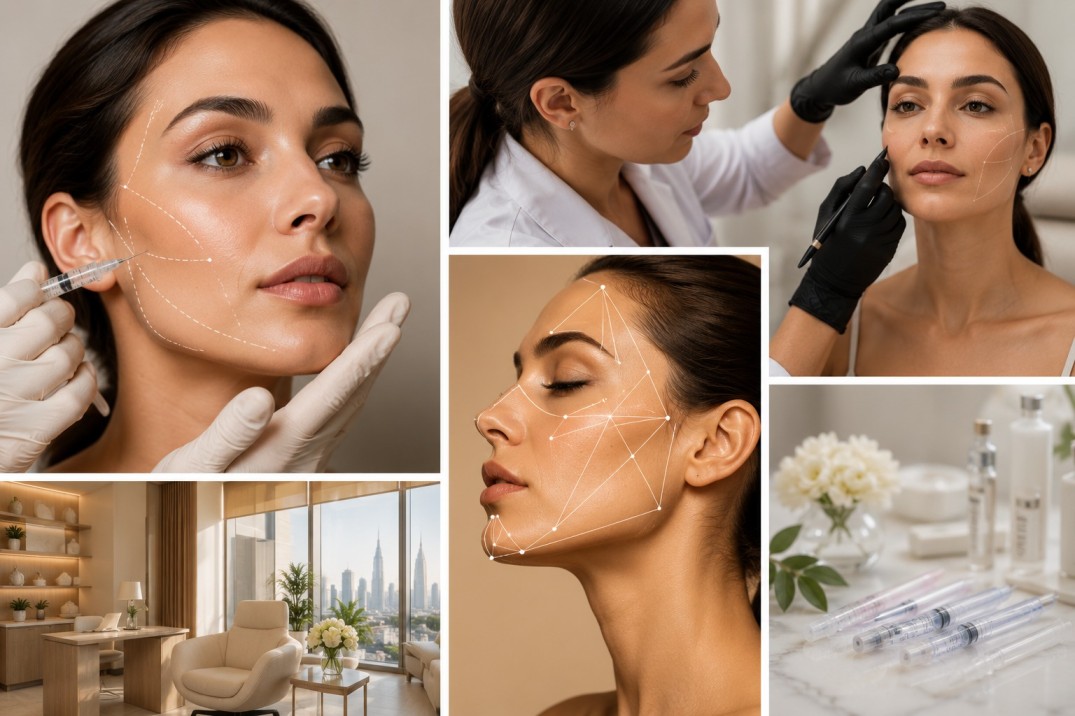
Restylane Fillers Guide: Benefits, Types, Recovery & Safety
-

- March 15th, 2026
- 450 views

FREE SEO Topical Map Generator: Find Your Next Content Ideas
Restylane fillers are a family of hyaluronic-acid dermal fillers commonly used to restore facial volume, smooth wrinkles, and enhance lips with natural-looking results. This guide explains how Restylane fillers work, the differences between formulations, realistic expectations for recovery, and safety considerations so decisions can be informed and practical.
- What they are: HA (hyaluronic acid) dermal fillers for volume and contouring.
- Common uses: lips, nasolabial folds, cheeks, under-eye hollows.
- Recovery: most swelling resolves in 1–2 weeks; final results at 2–4 weeks.
- Safety: choose a qualified injector and follow a consent checklist.
Detected intent: Informational
Restylane fillers: how they work, types, and benefits
What are Restylane fillers?
Restylane is a branded line of hyaluronic acid (HA) dermal fillers. HA is a naturally occurring sugar molecule that holds water and supports skin structure. Restylane formulations vary by particle size, cross-linking, and viscosity to suit specific areas (fine lines, deep folds, lip augmentation, cheek enhancement).
Common formulations and uses
Different Restylane products are designed for different goals: some are softer for fine lines and under-eye hollows, others are firmer for cheek augmentation and restoring midface volume. Typical uses include lip augmentation, smoothing nasolabial folds, improving cheek projection, and softening marionette lines.
Benefits and expected results
Key benefits include immediate visible improvement, reversible options (hyaluronidase dissolves HA if needed), and relatively quick procedures with minimal downtime. Results vary by product, injection depth, and individual metabolism.
Before treatment: assessment, safety, and the RESTORE checklist
Clinical assessment and informed consent
A medical history and facial assessment are essential. Discuss allergies, prior procedures, medication (blood thinners, isotretinoin), and expectations. The U.S. Food and Drug Administration (FDA) provides guidance on dermal filler safety and approved indications — consult authoritative resources for regulatory information: FDA: Dermal Fillers.
RESTORE consent checklist (practical framework)
Use the RESTORE checklist before every treatment to ensure safety and clarity:
- R — Risks explained: bruising, swelling, asymmetry, rare vascular events.
- E — Expectation setting: timeline for results and follow-up plan.
- S — Screening: medications, medical history, pregnancy status.
- T — Treatment plan: product selection, injection sites, volume limits.
- O — Options for reversal: hyaluronidase availability and steps.
- R — Recovery guidance: aftercare, signs to report.
- E — Emergency protocol: who to contact for severe reactions.
Procedure, recovery, and downtime
What to expect during the injection
Procedures are typically performed in-office using topical or local anesthesia. Injection techniques include serial puncture, linear threading, and depot injections depending on the area. Sessions often take 15–60 minutes.
Recovery: Restylane treatment recovery timeline
Minor swelling and bruising are common and usually improve within 3–7 days; most visible improvement stabilizes by 2–4 weeks. For lip augmentation, expect more pronounced initial swelling for 48–72 hours. Avoid strenuous exercise and alcohol for 24–48 hours to reduce bruising risk.
Practical tips for natural-looking results
Following these actionable tips increases the chance of a smooth, predictable outcome:
- Choose a qualified injector with documented experience in facial anatomy.
- Start conservatively: less volume can be added later; aim for gradual enhancement.
- Follow post-care instructions: cold compresses for swelling, avoid NSAIDs if not contraindicated to reduce bruising risk.
- Photograph before and after under consistent lighting to track subtle changes.
- If unexpected results occur, seek assessment promptly; hyaluronidase can reverse HA-based fillers.
Common mistakes and trade-offs
Trade-offs to consider
Decisions about filler placement involve trade-offs: larger volumes give more projection but risk overfilling and unnatural contours; highly cross-linked products offer longer duration but may feel firmer. Balancing longevity and softness is part of treatment planning.
Common mistakes
- Overfilling in a single session — leads to poor proportions; staged treatments are safer.
- Choosing a practitioner based on price alone — experience and technique matter more than cost.
- Ignoring signs of vascular compromise (severe pain, blanching) — immediate attention is required.
Real-world example: a practical scenario
Scenario: A 45-year-old seeks subtle midface restoration and wants natural results. After assessment, a plan uses a medium-viscosity Restylane product placed along the zygomatic arch and lateral cheek in two small aliquots per side. Total volume is conservative (1.0–1.5 mL per cheek). Immediate lift is visible; minor swelling resolves in a week and final contour settles by 3 weeks. The patient schedules a 6-week follow-up for touch-up if needed.
Core cluster questions for further reading and internal linking
- How long do Restylane fillers typically last and what affects duration?
- What are the differences between Restylane formulations for lips versus cheeks?
- When is hyaluronidase used to reverse hyaluronic acid fillers?
- What are signs of vascular occlusion and immediate steps to take?
- How to prepare for a dermal filler appointment to minimize bruising?
When to seek medical attention
Contact a qualified medical provider immediately for severe pain, progressive swelling, discoloration, or skin blanching after injection. These can indicate vascular compromise and require urgent management.
Final considerations
Restylane fillers offer a flexible, reversible option for facial rejuvenation when used appropriately. Choosing a skilled injector, using a structured consent checklist like RESTORE, and following recovery guidance are the most effective ways to reduce risk and achieve natural-looking outcomes.
How long do Restylane fillers last?
Duration varies by product and treatment area; many Restylane formulations last 6–18 months. Factors affecting longevity include metabolism, treatment site, product type, and injected volume.
Are Restylane fillers safe for under-eye hollows?
Under-eye injections can improve hollows but carry higher risk of swelling and contour irregularities; they should be performed by an injector experienced in tear-trough anatomy.
Can Restylane lip filler benefits be enhanced with combinations?
Combining fillers with skin care (retinoids, sun protection) or energy-based treatments can improve overall results, but sequencing and downtime must be planned by a clinician.
What should be included in a post-procedure care plan?
Post-care typically includes cold compresses, avoidance of peak sun exposure, temporary avoidance of strenuous exercise and alcohol, and a follow-up visit within 2–4 weeks to assess results.
How to choose the right injector for Restylane treatments?
Look for credentials, documented experience with facial fillers, anatomic knowledge, before-and-after photos, and a clear consent process. Avoid facilities that pressure large-volume sales in a single session.