How to Choose a Premium Quality Hoodie: Fabric, Fit, and Durability Guide
-
- February 28th, 2026
- 403 views

👉 Best IPTV Services 2026 – 10,000+ Channels, 4K Quality – Start Free Trial Now
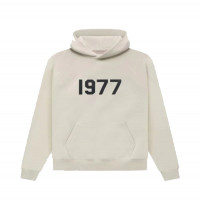
The term premium quality hoodie is used by many brands, but what it actually means depends on fabric, construction, and design choices that affect comfort, durability, and value. This guide breaks down the objective criteria to evaluate a hoodie so an informed choice can be made—whether shopping for a daily layer, activewear, or a long-lasting wardrobe staple.
- Detected dominant intent: Informational
- Look for midweight to heavyweight fabrics (GSM 280–400) and quality knit (ring-spun or combed cotton, or cotton-poly blends with good finishing).
- Use the FABRIC-FIT-FINISH checklist to compare options quickly.
- Verify construction details: flat seams, reinforced hems, quality zippers, and tested dyes/finishes.
What defines a premium quality hoodie
A premium quality hoodie combines the right materials, well-executed construction, and purposeful design. Material choices—like ring-spun cotton, French terry, brushed fleece, or blended knits—determine feel and performance. Construction metrics such as stitches per inch, seam type, and hardware quality determine how well a garment resists wear and deformation. Design considerations (fit, weight, pocket layout, hood shape) determine everyday usefulness.
How to evaluate materials and construction
Fabric types and what they do (best fabric for hoodies)
Common fabrics and characteristics:
- Ring-spun cotton: smoother, less pilling, better drape.
- Brushed fleece: warm and soft interior; good for colder climates.
- French terry: lighter, breathable, good for layering or milder weather.
- Polyester blends: add durability, faster drying, and shape retention.
GSM (grams per square meter) indicates weight: 280–350 GSM works for year-round use; 350–450 GSM suits colder-weather, heavyweight hoodies.
Construction details to check
- Seams: flatlock or double-needle stitching reduces chafing and splitting.
- Hood design: two-panel hoods with reinforcing seams keep shape.
- Hardware: metal zippers, quality drawcords, and reinforced eyelets last longer.
- Finishing: preshrunk fabrics and low-pilling finishing extend the garment life.
FABRIC-FIT-FINISH Checklist (practical evaluation framework)
A quick framework to compare hoodies before buying:
- Fabric — Check fiber content, GSM, and whether the fabric is preshrunk or treated for pilling.
- Fit — Confirm shoulder seam placement, sleeve length, and intended fit (slim, regular, relaxed).
- Finish — Inspect stitching, hems, and edge reinforcements.
- Function — Evaluate pockets, hood structure, and mobility for activities like commuting or workouts.
- Hardware — Test zippers, drawcords, and any branding tags for durability and comfort.
Real-world example
Scenario: Choosing a daily commuter hoodie for a 40-minute mixed-weather commute. Prioritize midweight brushed fleece (320–360 GSM) for insulation, a two-panel hood that blocks wind, zip closure for ventilation control, and reinforced cuffs to resist abrasion from backpack straps. Using the FABRIC-FIT-FINISH Checklist, a hoodie with ring-spun cotton-blend, double-needle hems, and a metal zipper scores well for this use-case.
Practical tips for buying and caring for a durable hoodie
- Buy based on intended use: lighter weight for layering or workouts, heavier for warmth and longevity.
- Wash inside out in cold water and avoid high-heat drying to preserve fibers and prevent shrinkage.
- Repair small seam failures early—reinforcing stitches extend a garment's useful life.
- Check labels for certified standards (GOTS or similar) if eco-friendly textiles are a priority. For one authoritative source on organic textile standards, see Global Organic Textile Standard (GOTS).
Trade-offs and common mistakes
Trade-offs
Higher weight and thicker nap increase warmth but add bulk and slower drying time. Pure cotton offers breathability and comfort but can lose shape faster than polyester blends. Price often correlates with better materials and construction, but brand markup can inflate cost without proportional quality gains.
Common mistakes
- Assuming higher price always equals better construction—inspect stitch quality and hardware.
- Ignoring the fit: a well-made hoodie that doesn't fit will sit unused.
- Overvaluing novelty fabrics (heavy prints, coatings) that may reduce breathability and long-term wear resistance.
Practical maintenance checklist
- Set a gentle machine cycle and mild detergent; avoid fabric softeners that can affect water-repellent finishes.
- Air-dry or tumble low; reshape hoodie while damp if needed to maintain fit.
- Store folded to avoid hanger shoulder distortion for heavier hoodies.
Core cluster questions for related coverage
- How does fabric weight (GSM) affect hoodie performance?
- What are the signs of high-quality hoodie construction?
- How to choose a hoodie fit for layering versus standalone wear?
- Which hoodie fabrics balance warmth, breathability, and durability?
- What care routines extend hoodie lifespan the most?
When to prioritize which features
Daily wear and commuting
Choose durability and moderate weight; reinforced seams and abrasion-resistant areas are valuable for backpacks and daily use.
Active use and running
Prioritize breathability and quick-drying blends; lighter GSM and performance finishes help manage sweat.
Summary and buying checklist
Use the FABRIC-FIT-FINISH Checklist to rate options across fabric, fit, finish, function, and hardware. For everyday use, aim for ring-spun cotton blends or brushed fleece in the 280–360 GSM range and verify construction quality—these features most reliably indicate a premium quality hoodie that holds up over time.
Frequently asked questions
Is a premium quality hoodie worth the price?
Yes, when the purchase prioritizes long-term value: better fabrics and construction often mean fewer replacements, superior comfort, and an improved look over years of wear. Assess the total cost-per-wear when comparing options.
What is the best fabric for hoodies for everyday use?
Ring-spun cotton blended with polyester (or a brushed cotton fleece) is commonly best for everyday use because it balances comfort, durability, and shape retention.
How should a hoodie fit for layering?
Allow one layer of clearance under the chest and shoulders and ensure sleeve length covers the wrist when arms are extended. Avoid overly tight fits if the hoodie will be used over shirts or midlayers.
How to reduce pilling on a hoodie?
Wash garments inside out, use a gentle cycle, cold water, and air dry or tumble low. Avoid high-friction activities while wearing delicate knits; consider anti-pilling finishes where available.
How long should a durable everyday hoodie last?
With proper care and high-quality construction, a durable everyday hoodie can last 3–7 years or longer depending on frequency of wear and use conditions. Repairing small issues early increases lifespan significantly.