Bifold Doors for Passive Living: Design, Energy, and Installation Guide
-

- April 18th, 2026
- 259 views

Get a free topical map and start building content authority today.
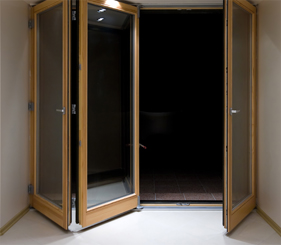
The right opening can transform a home. Installing bifold doors for passive living improves daylighting, cross-ventilation, and thermal connection to outdoor spaces while supporting energy goals.
Detected intent: Informational
Why choose bifold doors for passive living
Bifold doors for passive living combine large glazed openings with compact operation, allowing controlled solar gain, natural ventilation, and indoor–outdoor continuity. When specified correctly—considering U-factor, solar heat gain coefficient (SHGC), frame thermal breaks, and airtight thresholds—bifold doors contribute to reduced heating and cooling loads and improved occupant comfort.
How bifold doors interact with passive design principles
Passive design prioritizes orientation, insulation, airtightness, thermal mass, and controlled solar gains. Bifold doors affect several of these elements:
- Solar control: Large glazing area increases solar gains; choose glass and shading to match climate and orientation.
- Ventilation: Full retraction supports cross-ventilation in temperate seasons where night purging is possible.
- Thermal continuity: Properly detailed sills and insulated frames reduce thermal bridging and infiltrative heat loss.
- Daylighting: High visible transmittance reduces reliance on electric lighting during daytime hours.
Related terms and metrics
Key performance indicators include U-factor (insulation), SHGC (solar heat gain), Visible Transmittance (VT), air infiltration rates, and thermal break effectiveness. Common materials and terms: thermally broken aluminum, wood, fiberglass, Low-E coatings, double/triple glazing, gasket systems, and insulated thresholds.
BIFOLD Checklist (S.E.A.L.) — a practical framework
This named checklist condenses design decisions into four review steps to evaluate bifold doors within a passive-living project.
- Sizing: Confirm aperture dimensions, structural support, clearances, and sightlines. Factor in header loads and drainage strategies for low thresholds.
- E (Energy): Specify glazing U-factor and SHGC appropriate for orientation. Aim for low U-values in cold climates and moderate SHGC for south-facing exposures.
- A (Air sealing & thresholds): Detail continuous gaskets, compression seals, and sloped sills. Coordinate with flashing and insulation layers to prevent thermal bridging and water ingress.
- L (Installation & lifecycle): Include service access for rollers and seals, maintenance schedule for drainage channels, and replacement glazing considerations.
Short real-world scenario
Example: A 1,200 ft² living space in a temperate climate replaced a solid south wall with a 12-ft bifold door system. With double glazing, Low-E coating, and exterior operable shading, solar gains reduced winter heating by an estimated 8–12% while maintaining summer comfort through cross-ventilation and night cooling strategies. Coordination with a certified energy rater confirmed improved daylighting and lower lighting energy use.
Material, performance, and cost trade-offs
Choosing bifold doors requires balancing durability, thermal performance, and cost.
- Aluminum frames: Slim profiles and structural strength; require thermal breaks to avoid high U-factors.
- Wood frames: Excellent thermal properties and aesthetic warmth; require maintenance and careful water detailing.
- uPVC/fiberglass: Lower maintenance and good thermal performance; consider rigidity and hardware compatibility for large panels.
Common mistakes to avoid
- Under-specifying airtightness and ignoring sill detailing—leads to drafts and moisture problems.
- Relying solely on glass to meet daylight goals without considering glare control and shading.
- Choosing oversized unshaded glazing in hot climates—causes overheating and higher cooling demand.
- Neglecting maintenance access to rollers, drains, and seals—reduces functional lifespan.
Practical tips for integrating bifold doors into passive projects
- Match SHGC to orientation: specify lower SHGC glazing for west exposures to limit late-afternoon heat gain.
- Prioritize sealing at the sill: use sloped drains, capillary breaks, and continuous thresholds to manage water and air flow.
- Use operable external shading (awnings, louvers) to control seasonal solar access without sacrificing daylight.
- Coordinate with HVAC strategy: design for natural ventilation where climate allows, and size mechanical systems for worst-case conditions when closed.
- Document maintenance: include a small access hatch for rollers and a schedule for seal replacement to keep performance high.
For proven guidance on windows and doors performance in buildings, consult authoritative resources such as the U.S. Department of Energy: Windows, Doors, and Skylights.
Installation considerations and quality checks
Successful installation ties the door system into enclosure details. Key verification steps before sign-off:
- Check plumb, level, and square of the opening; misalignment causes binding and air gaps.
- Perform a blower-door test or spot pressure tests to evaluate air leakage around large openings.
- Confirm drainage paths work under ponding and heavy rainfall conditions; inspect after first heavy storm.
- Verify manufacturer-recommended clearances and lubricate rollers during commissioning.
Core cluster questions
- How do bifold doors affect home energy performance compared with sliding doors?
- What glass and frame combinations provide the best thermal performance for large openings?
- How should thresholds and sills be detailed for low-energy buildings?
- When is it appropriate to use bifold doors in passive house or zero-energy designs?
- What maintenance extends the service life of large glazed bifold systems?
FAQ
Are bifold doors for passive living suitable in cold climates?
Yes, provided the doors are specified with low U-factor glazing (double or triple glazing, Low-E coatings), thermally broken frames, and carefully detailed sills and seals. Orientation and shading still matter: south-facing bifold doors can provide beneficial winter solar gain if paired with thermal mass and appropriate shading.
How much energy can be saved by choosing energy-efficient bifold doors?
Savings depend on climate, orientation, glazing performance, and how often doors are open. Replacing poorly sealed single-pane openings with insulated bifold systems can reduce heat loss and improve comfort; modeling or consultation with an energy professional provides project-specific estimates.
What are the maintenance needs for passive house doors and bifold systems?
Regular maintenance includes clearing drainage channels, lubricating rollers and hinges, inspecting seals, and replacing worn gaskets. A documented maintenance schedule preserves airtightness and operation over the product lifecycle.
Can bifold doors meet airtightness and performance targets for certified passive house projects?
Yes—bifold systems can be used in certified passive house projects when they meet required U-values, air permeability standards, and are integrated with rigorous detailing. Work with designers familiar with Passive House Institute (PHI) criteria for accurate compliance.
How should the sill be detailed to prevent thermal bridging and water ingress?
Use sloped, well-drained sills with capillary breaks, thermal breaks in the threshold, and continuous air-sealing membranes tied into the building envelope. Preventing water accumulation and ensuring a clear drainage path are essential for long-term performance.