Therapeutic fasting clinic: How to choose the right facility?
-

- May 20th, 2026
- 5,211 views

FREE SEO Topical Map Generator: Find Your Next Content Ideas
Mental healthcare in the modern era is much more than symptom management. Nowadays, doctors, neuroscientists, and holistic practitioners alike understand that true emotional well-being cannot be achieved without recovering on various fronts—be it neurological, endocrine, metabolic, or psychological. Holistic relaxation therapy helps to achieve just that, promoting the body’s innate ability to manage stress and return to its optimal state.
Those who look for ways to preserve their health, regenerate their bodies, and enjoy a full-scale detoxification experience will find the guidance of medical professionals indispensable. A medically-based approach to holistic relaxation therapy can thus help to achieve both physical and emotional renewal. In the same way, most participants of a fasting clinic Germany have come to realise that relaxation is essential to one’s mental well-being.
Understanding the Mind–Body Stress Connection
Stress is not necessarily dangerous. For brief moments, stress increases concentration, speed of reaction, and adaptability. However, problems arise when the nervous system stays active for long periods.
Extended stress leads to high levels of cortisol, disruption of normal sleeping habits, difficulty digesting food, and affects inflammation processes. In the long run, this may lead to fatigue, depression, decreased cognitive performance, mood swings, and loss of motivation.
Holistic relaxation happens due to stimulating parasympathetic nervous activity in the human body. Parasympathetic nerves regulate heart rate, deepen breathing, improve digestion, and turn off the brain's alertness mode.
That is one of the reasons why therapeutic fasting clinics under medical supervision include various forms of relaxation in addition to dietary treatment.
Why Mental Health Requires Physical Recovery
The connection between mental well-being and physical physiology is hard to draw. Quality of sleep, condition of the gut, regulation of blood sugar, inflammation, and mitochondrial performance affect our mood and ability to concentrate.
In case metabolism is constantly under pressure, the brain will most likely not remain calm. Brain fog, irritation, and depletion may come from underlying physical causes, not only psychological.
Some holistic techniques like fasting therapy, movement therapy, breathing exercises, and body restoration techniques help decrease systemic stress and improve metabolism.
At a specialised fasting clinic Germany, doctors often assess the effects of fasting on insulin sensitivity, inflammation, digestive recovery, and nervous system regulation. All these factors can impact mental performance.
The Role of Mindful Movement in Emotional Balance
For exercise to be therapeutic, it needs to be done mindfully rather than intensely.
Mindfulness techniques like yoga, Qi Gong, Feldenkrais, and spinal mobility exercises can relax muscles that tighten up under constant stress. Such movements also enhance body awareness, breathing, and posture, thus giving one a more grounded feeling physically.
The scientific community believes that mindful exercise can decrease stress perception, boost sleep, and facilitate better emotional regulation.
In a professional therapeutic fasting clinic, exercises of this sort are strategically planned to coincide with a reduction in calorie consumption.
Deep Relaxation as a Clinical Intervention
Relaxation therapy has become widely practised in modern evidence-based medicine. There is scientific proof of relaxation methods having a demonstrable effect on blood pressure, heart rate variability, and levels of anxiety.
The techniques allow the calming of excessively excited nerve centres, providing emotional stability.
Relaxation is an active process that helps the brain to learn new responses and to recognise a state of safety.
In the high-class fasting clinic Germany, relaxation techniques can be applied daily in the fasting adaptation period.
Nature, Silence, and Cognitive Recovery
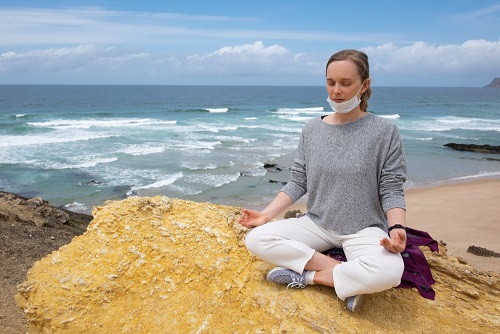
Nature provides quantifiable psychological advantages. It has been observed that contact with forests, greenery, fresh air, and sunlight is linked with lower levels of cortisol, better immune function, and improved emotional regulation.
Activities like forest bathing, reflective walking, and mindfulness exercises assist in alleviating sensory overload and regaining concentration ability.
This can be extremely refreshing for those suffering from work burnout, emotional exhaustion, and decision fatigue.
A lot of visitors at a therapeutic fasting clinic have reported gaining insights through silence and connection with nature, which are seldom possible during ordinary vacations.
Detoxification, Metabolism, and Emotional Clarity
Various metabolic changes occur during fasting under medical supervision including a decrease in glycogen stores, enhanced metabolism of fats, better insulin control and increased cell repair functions.
Such processes might be helpful for better regulation of energy levels and less inflammation in the body.
Participants who have attended the fasting clinic in Germany report having increased concentration abilities, better emotional stability and cognitive functioning after adaptation.
Fasting should not be viewed as a replacement for mental health treatments but rather be considered an additional element of preventive medicine.
A Quiet Tradition of Healing at Schloss Warnsdorf
Of the many places in Europe that offer well-known treatment programs in integrative wellness, the Schloss Warnsdorf stands out due to its history built on medical knowledge, personalisation, and an approach rooted in the humanity of recovery. The facility is located in a serene environment and incorporates traditional fasting therapies into a program consisting of several relaxation exercises, such as qi gong, yoga, Feldenkrais, progressive muscle relaxation, forest bathing, and mindful movement therapy.
Conclusion
The optimal state of mental health depends on feeling physically safe, nourished, and having physiological balance within oneself. This is accomplished via holistic relaxation by bringing down the nervous system, enhancing metabolism, lowering stress levels, and establishing the inner environment for resilience.
It could be through physical activity, meditation, being in nature, or undergoing medically controlled fasting at a fasting clinic Germany, or even embarking on a healing experience at a therapeutic fasting clinic; only then does real healing start when relaxation forms a part of healthcare.