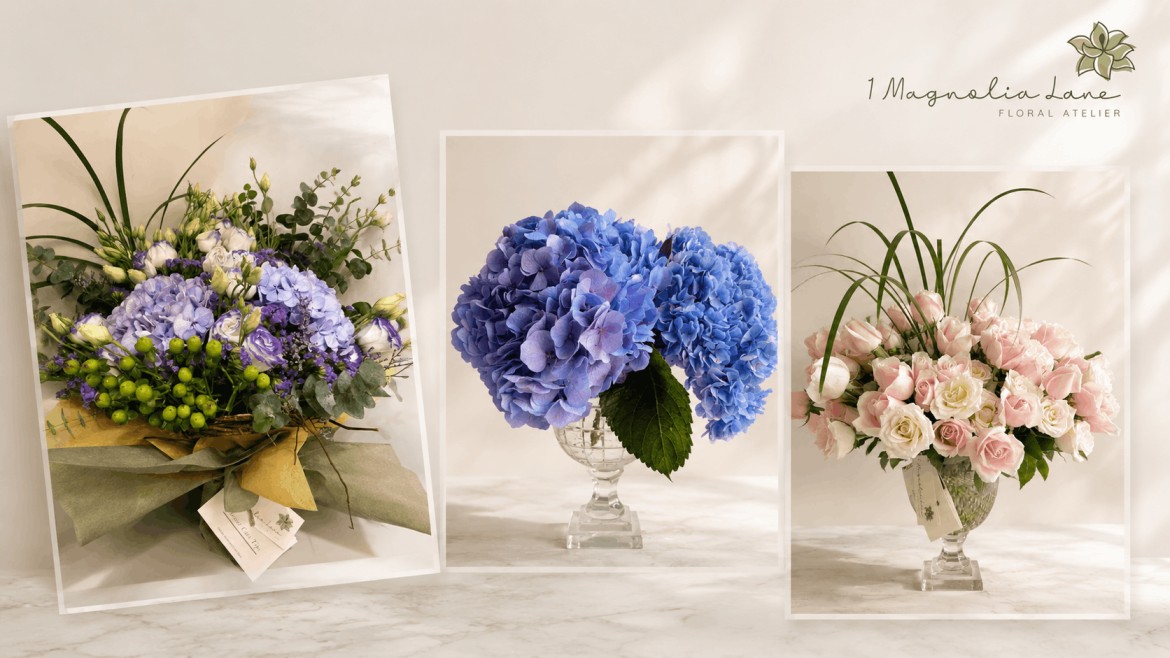
How These Real Wedding Flowers Look Unreal (And How to Recreate Them)
-

- March 16th, 2026
- 336 views

FREE SEO Topical Map Generator: Find Your Next Content Ideas
Real wedding flowers can look so sculpted and flawless that guests assume they are artificial — and that perfection is achievable without fake stems. This guide explains how real wedding flowers achieve that ‘unreal’ look while staying fresh, with actionable steps for florists, event planners, and DIY couples.
Detected intent: Informational
Quick takeaway: Focus on flower conditioning, mechanical support, hydration, and timing. Use the BLOOM checklist and the practical tips below to get dramatic, long-lasting results from real wedding flowers.
Why real wedding flowers can look unreal
Several factors create that high-impact, impossible-to-believe look: selecting blooms with strong form (like peonies, garden roses, and orchids), professional conditioning and hydration, structural mechanics (wiring and concealed anchors), and careful timing so arrangements peak on the ceremony day. Combining botanical knowledge with event logistics is what separates fragile bouquets from durable, sculptural florals.
Real wedding flowers: the BLOOM checklist for dramatic results
Use this named framework — the BLOOM checklist — for consistent, repeatable results:
- Balance: Choose a focal flower and supporting textures so the composition reads cleanly from a distance.
- Longevity: Pick varieties and treatments that extend vase life (conditioning, cool storage).
- Orientation: Design with sightlines in mind — ceremony arch, aisle views, and table sightlines.
- Mechanics: Use wiring, floral tape, water tubes, and concealed foam or cages to hold form.
- Checklist completion: Confirm delivery timing, onsite setup plan, and final hydration checks.
Practical steps to make real florals look unreal
Conditioning and hydration
Cut stems at an angle, remove foliage below the waterline, and place stems immediately into clean, cool water with appropriate flower food. For heavy blooms, add hydration measures like water tubes in bouquets and orchids conditioned on moist moss. For official guidance on cut-flower care, consult a horticultural resource such as the Royal Horticultural Society: https://www.rhs.org.uk/advice.
Mechanics and structural support
Use lightweight cages for large installations and wire stems for delicate flowers that need positional control. Conceal mechanics with foliage and filler. For suspended installations, plan weight distribution and use tested rigging hardware installed by venue-approved technicians.
Timing and environment control
Schedule late-stage setup whenever possible. Keep arrangements in cool, shaded staging areas and avoid direct sunlight or HVAC drafts during setup. Temperature control is one of the simplest flower longevity tips to implement on wedding day.
Practical tips: quick actions that make a visual difference
- Use 1–2 statement blooms per arrangement, then fill with resilient texture (e.g., seeded eucalyptus, ruscus) to highlight form.
- Hydrate stems fully the night before and store in refrigeration or a cool, dark room at 34–40°F (1–4°C) when feasible.
- Add a bio-safe floral preservative to staging buckets to reduce bacterial growth and extend freshness.
- Mark each arrangement with a setup map and hydration check to avoid last-minute guessing.
Common mistakes and trade-offs
Every decision has trade-offs. Choosing ultra-delicate flowers for dramatic photographs may require more mechanical support and faster setup, increasing labor and risk. Conversely, prioritizing durability can limit the selection of showy, short-lived blooms.
Common mistakes
- Overloading a bouquet with heavy heads without supporting wiring — leads to drooping.
- Skipping conditioning or using dirty buckets — shortens vase life dramatically.
- Ignoring venue environmental factors (heat, direct sun) — can wilt even conditioned stems.
Short real-world example
At a lakeside ceremony, a designer chose garden roses and lisianthus as focal flowers and added wired peony buds for shape. All stems were conditioned overnight, bouquets used water tubes, and large arches employed a concealed chicken-wire frame to support dense clusters of blooms and greenery. The result held through ceremony and photos without any visible mechanics, and guests repeatedly asked if the flowers were silk — a testament to proper conditioning and engineering.
Core cluster questions
- How to extend the lifespan of cut wedding flowers for multi-event use?
- What mechanics keep large floral installations secure and stable?
- Which seasonal blooms are best for long-lasting wedding bouquets?
- How to transport prearranged florals without damaging form or hydration?
- What are safe floral preservatives and where to use them during staging?
Practical checklist before final install
- Confirm delivery window and staging area with venue.
- Condition all stems and store them in cool buckets with preservative.
- Label arrangements with placement and hydration needs.
- Perform a weight and rigging test for suspended pieces.
- Run a final visual check under ceremony lighting conditions.
FAQs
Can real wedding flowers truly look unreal without artificial stems?
Yes. Proper flower selection, conditioning, mechanical support, and timing produce a sculptural, long-lasting look without artificial materials. Techniques include wiring, water tubes, concealed cages, and climate-controlled staging.
How long will real wedding flowers last once conditioned?
Longevity depends on variety and conditions; most well-conditioned stems last 3–7 days with proper hydration and cool storage. Sensitive blooms like peonies and garden roses need closer timing to peak on the wedding day.
Are there flower longevity tips for DIY couples?
Yes — hydrate stems immediately, keep buckets clean, use floral preservative, store flowers in a cool place, and assemble bouquets as late as possible. Label everything and test a single arrangement before scaling up.
What are common causes of wilting during a ceremony?
Heat, direct sun, mechanical damage during transport, and bacterial contamination in water are common causes. Mitigate by staging in cool areas, protecting arrangements during transit, and using fresh water and preservatives.
Which wedding floral installation care steps are essential for large displays?
Essential steps include load-bearing rigging checks, moisture planning for foam or water sources, staged assembly with secure anchors, and post-install hydration inspection until the event begins.
Related Posts