Token Development Company: Complete Guide to Token Development Services
-

- Published Updated
- 80 views
Blockchain technology has changed how digital assets can be created, managed, and transferred. Tokens are now used across DeFi platforms, Web3 applications, gaming ecosystems, loyalty programs, fundraising platforms, and digital asset projects.
However, launching a token involves more than writing a smart contract. A successful token project requires careful planning around its purpose, blockchain network, tokenomics, security, distribution, wallets, and integration with the wider ecosystem.
This is where a professional Token Development Company can help.
A token development company provides the technical expertise required to design, develop, test, deploy, and integrate blockchain-based tokens according to a project's requirements.
What Is Token Development?
Token development is the process of creating a digital asset on a blockchain network using a smart contract or the network's native token framework.
Depending on the project's purpose, a token can represent utility, governance rights, access, digital assets, rewards, or other forms of value.
Tokens can be developed for different blockchain ecosystems and can follow established standards to ensure compatibility with wallets, exchanges, decentralized applications, and other blockchain infrastructure.
What Does a Token Development Company Do?
A Token Development Company helps businesses and Web3 projects throughout the token creation lifecycle.
A typical token development project may include:
Token concept and requirement analysis
Blockchain selection
Token architecture
Token smart contract development
Tokenomics planning
Wallet integration
Token testing
Security testing
Smart contract audit
Token deployment
Distribution mechanisms
Exchange integration
DApp integration
Post-launch maintenance
The exact services depend on the project's goals and the type of token being developed.
Token Development Services
Professional Token Development Services can cover different types of tokens and supporting blockchain solutions.
1. Custom Token Development
Custom token development is designed around a project's specific business model and requirements.
The development team can configure features such as supply, ownership controls, transfer rules, minting, burning, permissions, and other token functionality.
Custom tokens can be used within Web3 applications, marketplaces, gaming platforms, financial products, and business ecosystems.
2. Utility Token Development
Utility tokens provide access to products, services, features, or functionality within a particular ecosystem.
They can be used for:
Platform access
Payments
Rewards
Discounts
Membership
In-app functionality
User incentives
The token's utility should be clearly defined before development begins.
3. Governance Token Development
Governance tokens are designed to support decentralized decision-making.
Depending on the project, token holders may be able to participate in voting related to:
Protocol changes
Treasury management
Platform upgrades
Community proposals
Ecosystem decisions
Governance functionality is commonly implemented through smart contracts and voting mechanisms.
4. Stablecoin Development
Stablecoins are digital tokens designed to maintain a relatively stable value based on a particular reference asset or mechanism.
Stablecoin development can involve considerably more than token creation. Projects may require reserve mechanisms, minting and redemption logic, compliance considerations, monitoring, and appropriate security architecture.
5. DeFi Token Development
DeFi projects often use tokens as part of their financial ecosystems.
A DeFi token may support:
Staking
Governance
Liquidity incentives
Rewards
Protocol participation
Yield mechanisms
The token contract needs to be carefully designed because it may interact with other financial smart contracts.
6. NFT Token Development
NFTs represent unique digital assets rather than interchangeable units.
NFT development can support:
Digital collectibles
Gaming assets
Digital memberships
Art
Event passes
Virtual assets
Tokenized experiences
NFT smart contracts can include functionality for minting, transfers, royalties, metadata, and marketplace interactions.
7. Security Token Development
Security tokens are designed to represent investment or ownership interests in assets and may be subject to securities laws and other regulations.
A project considering security token development should evaluate the relevant legal and regulatory requirements in its target markets before development and distribution.
8. Multi-Chain Token Development
Some projects want their tokens to operate across more than one blockchain ecosystem.
Multi-chain token development can involve:
Cross-chain infrastructure
Token bridges
Chain-specific contracts
Wallet compatibility
Liquidity management
Cross-chain transfers
The architecture should be carefully planned because different blockchain networks have different technical characteristics.
Popular Blockchain Networks for Token Development
Tokens can be developed across different blockchain ecosystems.
Ethereum
Ethereum has a mature smart contract ecosystem and supports widely used token standards.
BNB Chain
BNB Chain supports a broad range of token-based applications, including DeFi and Web3 projects.
Polygon
Polygon provides infrastructure compatible with the broader Ethereum ecosystem and is used for various decentralized applications and digital assets.
Solana
Solana provides a high-performance blockchain ecosystem with its own token architecture and development tools.
Avalanche
Avalanche supports smart contracts and token-based decentralized applications.
The right blockchain depends on factors such as transaction costs, performance, ecosystem, security, developer tools, wallet support, and the project's target users.
Token Standards
Token standards define how tokens behave and interact with blockchain applications.
Common examples include:
ERC-20 for fungible tokens on Ethereum
ERC-721 for non-fungible tokens
ERC-1155 for multi-token applications
SPL-based tokens within the Solana ecosystem
BEP-based standards within the BNB Chain ecosystem
Choosing the appropriate standard depends on what the token is designed to do.
What Is Tokenomics?
Tokenomics refers to the economic structure and design of a token.
A well-designed token model considers factors such as:
Total token supply
Initial distribution
Token allocation
Circulating supply
Vesting schedules
Token utility
Incentive mechanisms
Governance
Treasury allocation
Community rewards
Tokenomics should be designed before development because the economic model directly influences the smart contract architecture and distribution strategy.
Token Development Process
A professional token development process generally follows several stages.
Step 1: Define the Token's Purpose
The first step is determining why the token exists and what problem it is intended to solve.
Step 2: Select the Blockchain
The development team evaluates different blockchain networks based on the project's technical and business requirements.
Step 3: Design Tokenomics
The team defines supply, distribution, utility, allocation, vesting, and other economic parameters.
Step 4: Design the Smart Contract
Developers translate the token requirements into a secure smart contract architecture.
Step 5: Develop the Token
The token contract is developed according to the selected blockchain's standards and requirements.
Step 6: Test the Contract
The contract is tested for functionality, security, edge cases, and compatibility.
Step 7: Security Review and Audit
A security review or independent smart contract audit can help identify vulnerabilities before deployment.
Step 8: Testnet Deployment
The token can first be deployed on a test network for additional testing.
Step 9: Mainnet Deployment
Once the contract is tested and approved, it can be deployed to the production blockchain.
Step 10: Integration and Launch
The token can then be integrated with wallets, decentralized applications, exchanges, marketplaces, or other ecosystem components as required.
Features of a Custom Token
Depending on the project, a token smart contract may include features such as:
Token minting
Token burning
Fixed or controlled supply
Transfer restrictions
Ownership management
Pausing functionality
Access control
Transaction tracking
Wallet compatibility
Governance integration
Staking functionality
Reward mechanisms
Not every token requires every feature. Adding unnecessary functionality can increase complexity and security risks.
Benefits of Token Development
Digital Asset Creation
Tokenization allows projects to represent digital assets and value on blockchain networks.
Community Engagement
Utility and governance tokens can create mechanisms for community participation.
Programmable Transactions
Smart contracts allow predefined rules to be incorporated into token operations.
Ecosystem Incentives
Tokens can be used to reward users, developers, liquidity providers, contributors, or community members.
Global Accessibility
Depending on the project's structure and applicable regulations, blockchain tokens can support digital participation across geographic markets.
Integration With Web3 Applications
Tokens can interact with wallets, DeFi protocols, NFT platforms, DAOs, games, and decentralized applications.
Token Development Use Cases
Token development can support a wide range of industries and applications.
DeFi
Tokens can support decentralized financial ecosystems through governance, rewards, staking, and liquidity mechanisms.
Gaming
Gaming projects can use tokens for rewards, digital assets, marketplace transactions, and ecosystem participation.
E-commerce
Businesses can explore token-based loyalty, rewards, memberships, and digital payment mechanisms.
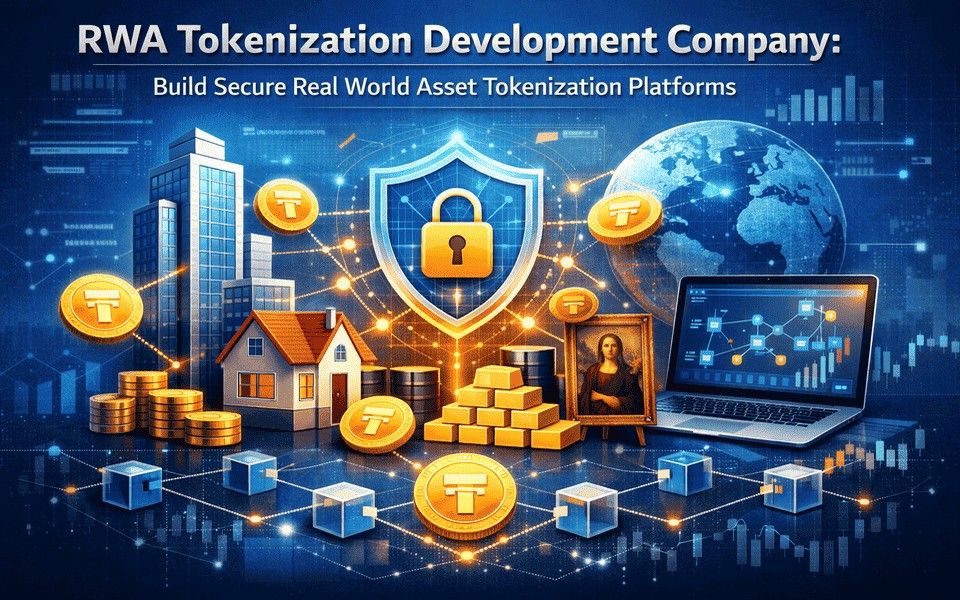
Real-World Asset Tokenization
Blockchain tokens can be used to represent interests or claims associated with real-world assets, subject to legal and regulatory requirements.
Entertainment
Tokens can support digital memberships, fan engagement, rewards, and access-based ecosystems.
Communities and DAOs
Tokens can provide mechanisms for community participation and decentralized governance.
Token Security
Security should be considered throughout the token development lifecycle.
A poorly designed token contract can expose a project to vulnerabilities, unexpected behavior, or loss of digital assets.
A security-focused development process can include:
Secure smart contract coding
Automated testing
Manual code review
Static analysis
Access-control testing
Testnet deployment
Smart contract auditing
Deployment verification
Post-launch monitoring
Projects should also carefully protect administrative keys and other privileged infrastructure.
How Much Does Token Development Cost?
The cost of token development varies depending on the project.
A basic token with standard functionality will typically require less development effort than a multi-chain token ecosystem with staking, governance, wallets, exchange integration, and custom applications.
Factors affecting the cost include:
Blockchain network
Token complexity
Smart contract functionality
Tokenomics
Number of integrations
Security requirements
Audit requirements
Web or mobile application development
Wallet integration
Exchange integration
Post-launch support
For this reason, businesses should request a project-specific estimate instead of relying on a fixed token development price.
How to Choose a Token Development Company
Selecting the right development partner is important for the security and long-term success of a token project.
Check Blockchain Expertise
Make sure the company has experience with the blockchain network you intend to use.
Review Previous Projects
Look at previous token, smart contract, DeFi, NFT, or Web3 projects to understand the company's practical experience.
Evaluate Security Practices
Ask about testing, code reviews, audits, access control, and deployment procedures.
Understand the Development Process
A reliable company should clearly explain how it handles requirements, development, testing, deployment, and support.
Consider Integration Capabilities
If the token needs to work with wallets, exchanges, DeFi protocols, or a Web3 application, ensure the development team has relevant integration expertise.
Evaluate Post-Launch Support
Token projects may require ongoing maintenance, monitoring, upgrades, and technical assistance after launch.
Why Choose Infograins for Token Development?
Infograins provides blockchain and software development solutions for businesses building Web3 and blockchain-based products.
Token projects can require more than smart contract coding. They may involve tokenomics, blockchain architecture, Web3 application development, wallet integration, DeFi functionality, NFT integration, and security testing.
Infograins can help businesses develop customized blockchain solutions based on their project requirements, from initial technical planning through development and deployment.
Future of Token Development
Tokenization is expanding beyond traditional cryptocurrency use cases.
Future token development opportunities may include:
Real-world asset tokenization
Digital memberships
Blockchain-based loyalty programs
DeFi applications
Gaming ecosystems
Digital identity
Tokenized financial products
Enterprise blockchain
Community governance
Cross-chain applications
As blockchain infrastructure matures, token development is likely to become increasingly connected with broader Web3 applications rather than functioning as an isolated digital asset.
FAQs About Token Development
What is a Token Development Company?
A Token Development Company provides technical services for designing, developing, testing, deploying, and integrating blockchain-based tokens.
What are Token Development Services?
Token Development Services can include custom token development, utility tokens, governance tokens, stablecoins, DeFi tokens, NFT development, security tokens, multi-chain tokens, smart contract development, testing, auditing, and deployment.
How long does token development take?
The development timeline depends on the token's complexity, blockchain network, smart contract functionality, integrations, testing, and security requirements.
Which blockchain is best for token development?
There is no single best blockchain for every token project. Ethereum, BNB Chain, Polygon, Solana, Avalanche, and other networks have different capabilities and ecosystems. The right choice depends on the project's requirements.
Is token development secure?
Token security depends on the smart contract architecture, coding practices, testing, access controls, deployment process, and security audits. Professional development and thorough testing can reduce potential risks.
Can a token be developed on multiple blockchains?
Yes. Multi-chain token solutions can be developed using appropriate cross-chain architecture and infrastructure, depending on the requirements of the project.
Conclusion
Token development provides businesses and Web3 projects with a way to create programmable digital assets for different applications, from DeFi and gaming to governance, memberships, rewards, and asset tokenization.
A professional Token Development Company can help manage the technical aspects of the project, including blockchain selection, tokenomics, smart contract development, testing, security, deployment, and integration.
With the right Token Development Services, businesses can build token ecosystems that are designed around their specific goals while maintaining a strong focus on security, usability, scalability, and long-term development.