Using Toll-Free Numbers to Build Customer Relationships
-

- Published Updated
- 3,512 views
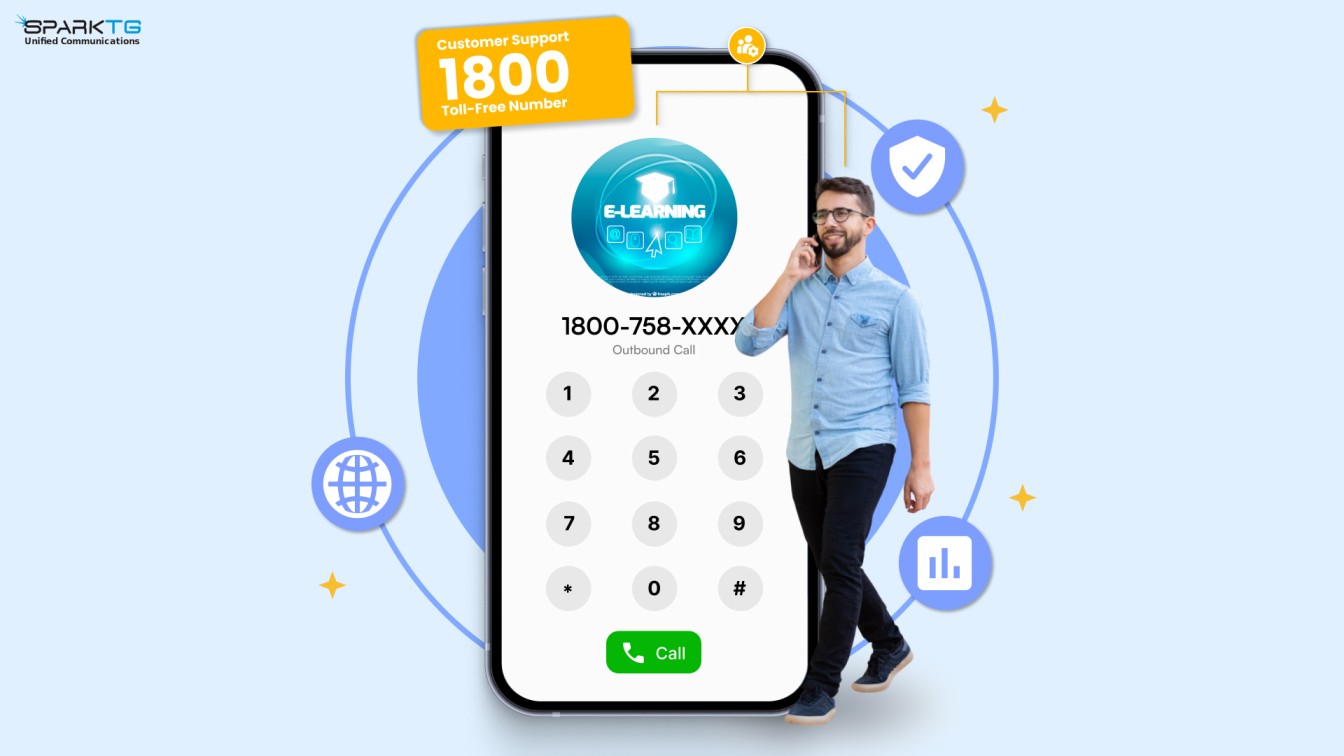
Toll-free numbers help businesses build stronger customer relationships by making support easier and more accessible. When customers can contact a business without paying call charges, they are more likely to ask questions, seek support, provide feedback, and resolve issues. Combined with IVR, call routing, analytics, and cloud telephony, toll-free communication can become a long-term customer experience strategy.
Table of Contents
What Are Toll-Free Numbers?
Why Businesses Need Toll-Free Numbers
Top Benefits of Toll-Free Numbers
Key Features to Look For
How Toll-Free Calling Works
Industry Use Cases
Real Business Challenges Solved
Traditional vs. Cloud vs. SparkTG
Why Choose SparkTG
Implementation Process
Best Practices
Common Mistakes to Avoid
Future Trends
Expert Recommendations
Frequently Asked Questions
Conclusion
Introduction
Customer relationships are built through hundreds of small interactions: answering a question, resolving a complaint, helping with an order, providing product information, or simply being available when a customer needs assistance.
That makes accessibility an important part of customer experience.
A customer who has to search for the right department, pay for a support call, or wait for an available representative may abandon the interaction. A customer who can simply dial a memorable business helpline and reach the right team has a much smoother experience.
This is where toll-free numbers can play a strategic role.
A toll-free number gives customers a way to contact a business without paying the call charge. In India, the 1800 series is associated with Free Phone Service, where the called party bears the applicable call costs. TRAI describes toll-free service as a customer-accessible service where the calling party does not incur the call charge.
But the real value of toll-free communication goes beyond free customer support calls.
When integrated with Cloud Telephony, IVR, call routing, call tracking, analytics, CRM systems, and omnichannel communication, a toll-free number can become a central customer relationship channel.
What Are Toll-Free Numbers?
Toll-free numbers are business telephone numbers that allow customers to call an organization without paying the applicable call charge. In India, the 1800 series is used for Free Phone Service. The business or service subscriber bears the relevant calling cost, making the number particularly useful for customer support, sales, enquiries, and nationwide business communication.
Unlike ordinary geographic numbers, toll-free numbers can give businesses a more centralized communication identity.
For example, instead of publishing different support numbers for Delhi, Mumbai, Bengaluru, and other locations, a company can promote one national business helpline.
This makes communication easier to remember and easier to manage.
Why Businesses Need Toll-Free Numbers
Customers generally do not want to pay simply to ask a business for help.
A toll-free number removes that friction.
More importantly, it communicates something about the company's attitude toward customer service: "We want you to contact us."
This can support customer relationship building in several ways.
1. Easier customer access
Customers can contact the business without worrying about call charges.
2. Stronger business identity
A dedicated 1800 number can provide a recognizable business communication channel.
3. Better support accessibility
A toll-free line gives customers a direct path to sales, service, complaints, or information.
4. More opportunities for feedback
When calling is convenient, customers have fewer reasons to avoid sharing problems or suggestions.
5. Centralized communication
Cloud-based toll-free services can route calls to different departments, teams, locations, or agents.
6. Nationwide reach
A single number can support businesses serving customers across multiple regions.
TRAI's recent numbering-plan work continues to address how telecom numbering resources should evolve in India, making it important for businesses to select communication providers that understand the regulatory and technical environment.
Top Benefits of Toll-Free Numbers
1. Remove Cost as a Barrier
The most obvious benefit is that customers can contact the business without bearing the applicable call charge.
This matters particularly for:
Product enquiries
Technical support
Complaints
Warranty requests
Order-related questions
Service requests
Appointment assistance
Billing enquiries
When contacting support feels effortless, customers are more likely to seek help before a minor problem becomes a major reason to leave.
2. Build Customer Trust
Trust is influenced by accessibility.
A company that provides a clearly published business helpline signals that it is willing to be contacted and held accountable.
This is especially important for:
New brands
E-commerce businesses
Financial services
Healthcare organizations
Education providers
Travel companies
Large consumer-facing enterprises
A toll-free number should not be viewed as a standalone trust-building strategy, however. It works best when customers receive quick answers, transparent information, professional greetings, and consistent service.
3. Improve Customer Support
A toll-free number connected to an intelligent cloud telephony system can do much more than ring one telephone.
Calls can be routed according to:
Customer selection
Department
Business hours
Agent availability
Location
Language
Priority
Campaign
Customer profile
SparkTG's cloud telephony ecosystem supports capabilities such as IVR, virtual numbers, toll-free numbers, click-to-call, AI voice bots, and WhatsApp integration, allowing businesses to connect multiple customer communication touchpoints.
4. Strengthen Customer Relationships Through Availability
Customers do not always need assistance during conventional office hours.
Cloud-based communication can help businesses create more flexible support models through:
24/7 IVR
Automated announcements
Virtual receptionists
AI voicebots
Voicemail
Call-back workflows
After-hours routing
The objective is not necessarily to replace human support.
It is to make sure the customer always has a useful next step.
5. Generate More Customer Insights
Every support interaction can reveal something about customers.
Call analytics can help businesses understand:
Most common questions
Peak calling hours
High-demand products
Repeated complaints
Agent performance
Call abandonment
Customer intent
Support bottlenecks
These insights can influence product development, sales strategy, FAQs, training, and customer experience programs.
6. Create a Consistent Brand Experience
A professionally designed toll-free experience can include:
Toll-Free Number → Greeting → IVR → Department → Agent → CRM → Follow-up
Instead of treating each call as an isolated interaction, businesses can make it part of a structured customer journey.
Key Features to Look For in a Toll-Free Solution
A modern toll-free solution should offer more than a number.
Feature |
Business Value |
1800 Toll-Free Number |
Makes customer calling easier |
IVR |
Directs callers to the right department |
Call Routing |
Connects customers with available agents |
Call Queues |
Manages high-volume periods |
Call Recording |
Supports training and quality monitoring |
Call Analytics |
Measures communication performance |
CRM Integration |
Provides customer context |
Call Tracking |
Connects calls to campaigns and leads |
Business-Hour Routing |
Controls after-hours experiences |
Cloud Infrastructure |
Enables flexible, remote operations |
Reporting |
Helps managers identify service trends |
Omnichannel Integration |
Connects voice with digital channels |
SparkTG's contact center offering combines toll-free communication with capabilities such as IVR, VCC, call analytics, call forwarding, and usage analytics.
How Toll-Free Numbers Work
The basic process is straightforward.
Step 1: Customer dials the toll-free number
The customer calls the company's published business helpline.
Step 2: Telecom infrastructure identifies the number
The toll-free service receives the call and determines its routing.
Step 3: Cloud telephony manages the interaction
The call can enter an IVR or automated call-handling workflow.
Step 4: IVR identifies the customer's requirement
For example:
Press 1 for Sales
Press 2 for Customer Support
Press 3 for Billing
Press 4 for Existing Orders
Step 5: The system routes the call
The call is sent to the appropriate agent, queue, department, or location.
Step 6: Customer information can be presented
With CRM integration, agents can potentially access relevant customer records and previous interaction information.
Step 7: The interaction is tracked
Call logs, recordings, dispositions, and analytics can be used for quality management and customer experience improvement.
Industry Use Cases
E-Commerce
Toll-free support can help customers with:
Order status
Returns
Refunds
Product information
Delivery issues
A strong phone channel becomes particularly valuable when customers are dealing with an urgent delivery or payment problem.
Healthcare
Hospitals and healthcare providers can use business helplines for:
Appointment enquiries
Department information
Doctor availability
Patient support
General assistance
Sensitive industries should combine accessibility with appropriate privacy, security, and compliance controls.
Education
Educational institutions can use toll-free numbers for:
Admissions
Course enquiries
Fee information
Counselling
Student support
A centralized number can simplify communication for students and parents.
BFSI
Banks, insurers, and financial service organizations can use structured phone support for:
Account assistance
Service requests
Product information
Complaint handling
Customer verification workflows
Because these interactions can involve sensitive information, security and authentication should be designed into the overall call journey.
Travel and Hospitality
Travel companies can use toll-free support for:
Booking assistance
Cancellation requests
Travel information
Emergency support
Reservation enquiries
Real Estate
Property businesses can use toll-free numbers to centralize:
Property enquiries
Site visits
Project information
Lead qualification
Customer support
Real Business Challenges Solved by Toll-Free Numbers
Business Challenge |
Toll-Free + Cloud Solution |
Customers avoid calling because of cost |
Free customer support calls |
Too many departments |
IVR-based routing |
Missed calls |
Queues, routing and failover |
High call volume |
Scalable cloud infrastructure |
Poor visibility |
Call analytics |
Difficult lead attribution |
Call tracking |
Inconsistent support |
Standardized call flows |
Limited after-hours support |
Automation and virtual reception |
Fragmented customer information |
CRM integration |
Multiple regional numbers |
Centralized business helpline |
Traditional vs. Cloud vs. SparkTG
Capability |
Traditional Solution |
Cloud-Based Solution |
SparkTG Solution |
Toll-Free Number |
Available |
Available |
Available |
Physical Infrastructure |
Often required |
Minimal |
Cloud-based |
IVR |
Hardware/software dependent |
Integrated |
Integrated |
Scalability |
Limited by infrastructure |
High |
Designed for scalable operations |
Remote Agents |
Difficult |
Supported |
Supported |
Call Analytics |
Limited/additional systems |
Available |
Integrated capabilities |
CRM Integration |
Complex |
API-based |
Supported |
Omnichannel |
Separate systems |
Possible |
Voice + WhatsApp + AI ecosystem |
AI Capabilities |
Limited |
Available |
AI voice and communication capabilities |
Setup |
Longer |
Faster |
Cloud-based onboarding |
Maintenance |
Higher |
Lower |
Managed cloud model |
Customization |
Often expensive |
Flexible |
Enterprise customization available |
SparkTG positions its cloud telephony platform around resource pooling, elasticity, remote access, and measured service, helping businesses avoid building and maintaining an equivalent in-house telephony infrastructure.
Why Choose SparkTG for Toll-Free Communication?
Reliability
Customer communication should not depend on a single physical office or telephone line.
SparkTG provides cloud-based communication infrastructure designed for business calling and contact center operations. Its platform highlights redundancy, analytics, routing, and scalable communication capabilities.
Scalability
Startups may begin with a small support team and later need to handle thousands of calls.
Cloud architecture makes it easier to scale communication resources as customer demand changes.
Security
Business calls may contain customer information, payment-related conversations, operational details, or other sensitive data.
A modern communication platform should therefore incorporate secure infrastructure, controlled access, recording policies, and appropriate data-handling practices.
SparkTG's telephony platform describes secure communications and encrypted communication capabilities within its product environment.
Support
A toll-free platform should not become another technology system that your IT team has to manage alone.
Businesses should look for onboarding, technical assistance, integration support, monitoring, and ongoing service support.
Customization
Every customer journey is different.
SparkTG can be positioned around customized IVR structures, routing rules, integrations, analytics, and communication workflows rather than forcing every company into the same call flow.
Pricing Benefits
Cloud telephony can reduce the need for traditional PBX infrastructure, hardware, and extensive maintenance.
SparkTG's platform describes cloud resource pooling and elastic provisioning as ways to reduce the cost and complexity of building in-house telephony infrastructure.
Implementation Process
A successful toll-free deployment can follow these seven steps:
Define the objective — Decide whether the primary purpose is support, sales, lead generation, service, or all of them.
Select the number and provider — Choose a provider with appropriate telecom capabilities and business support.
Design the call flow — Map greetings, IVR menus, queues, routing and escalation.
Connect business systems — Integrate CRM, helpdesk, ticketing, analytics, or APIs where required.
Configure teams — Assign agents, departments, schedules and escalation rules.
Test customer journeys — Test different scenarios, peak loads, after-hours calls and failure paths.
Monitor and optimize — Review call data and continuously improve the customer journey.
Best Practices for Customer Relationship Building
1. Keep IVR menus short
Do not make customers navigate six or seven levels of menus to reach an agent.
2. Provide a human escalation path
Automation should make support faster, not make customers feel trapped.
3. Use customer context
Connect the toll-free system with your CRM wherever practical.
4. Track abandoned calls
A missed call may represent a lost customer opportunity.
5. Monitor recurring complaints
Use call analytics to identify patterns rather than treating every complaint individually.
6. Offer multilingual support where needed
For businesses serving diverse Indian markets, language-aware customer journeys can significantly improve accessibility.
7. Keep information consistent
The information provided by your phone support team should align with your website, WhatsApp Business API, email, and other channels.
8. Measure relationship-oriented KPIs
Do not measure only call volume.
Track:
First-call resolution
Average response time
Abandoned-call rate
Customer satisfaction
Repeat contact rate
Resolution time
Lead conversion
Agent performance
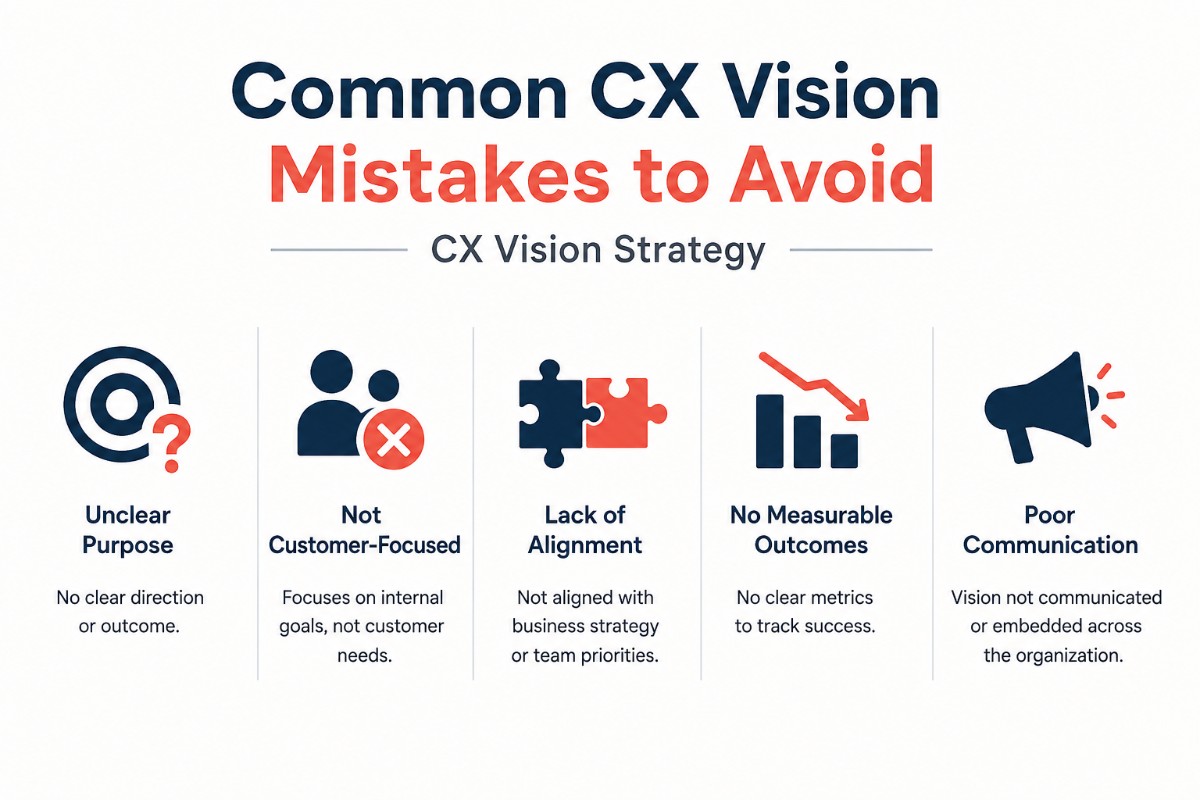
Common Mistakes to Avoid
Treating the Number as the Strategy
A toll-free number alone does not create customer loyalty.
The experience behind it does.
Overcomplicating IVR
Too many options create frustration.
Ignoring Peak Call Periods
If campaigns, product launches, or seasonal demand generate sudden call spikes, your infrastructure must be ready.
Failing to Track Calls
Without analytics, it becomes difficult to understand whether the investment is improving customer engagement.
Not Connecting Voice With Digital Channels
Customers may start with a call and continue on WhatsApp, email, or chat.
A fragmented experience can force customers to repeat information.
Focusing Only on Cost
The cheapest communication system may not deliver the lowest total cost.
Missed calls, poor service, lost leads, and customer churn can cost much more.
Future Trends in Toll-Free Customer Communication
Toll-free communication is evolving from a simple telephone service into an intelligent customer engagement layer.
AI Voicebots
AI can handle repetitive questions, qualify enquiries, collect information, and route complex conversations to human agents.
Conversational IVR
Instead of pressing multiple numbers, customers can describe what they need using natural language.
Real-Time Call Intelligence
Voice streaming and AI analytics can enable real-time transcription, intent detection, sentiment analysis, and agent assistance. SparkTG's voice-streaming infrastructure is designed for real-time audio processing and AI voice-agent use cases.
Omnichannel Customer Journeys
Voice can increasingly connect with:
WhatsApp Business API
Chatbots
CRM
Email
SMS
Web chat
Contact center platforms
Predictive Customer Support
Analytics can help businesses identify recurring issues and proactively address them before customers need to call.
Expert Recommendations
From a customer experience and communication strategy perspective, businesses should follow five principles:
1. Make contacting the business easy.
Accessibility is the foundation of customer support.
2. Remove unnecessary friction.
Free calling, short IVR menus, intelligent routing, and self-service can make support easier.
3. Connect every interaction.
A customer's call should not exist in isolation from their CRM, WhatsApp, website, or previous interactions.
4. Measure customer outcomes, not just call volume.
The objective is better resolution, stronger satisfaction, and long-term customer relationships.
5. Build for the next stage of communication.
Choose infrastructure that can support IVR, AI, analytics, CRM integration, and omnichannel communication as the business grows.
Key Takeaways
Toll-free numbers remove the call-cost barrier for customers.
A dedicated business helpline can make a company more accessible and professional.
Toll-free communication becomes more powerful when combined with Cloud Telephony and IVR.
Call analytics can turn customer conversations into actionable business insights.
CRM integration can help agents deliver more contextual support.
AI voicebots and conversational IVR are making business phone support more intelligent.
The best toll-free strategy focuses on the entire customer experience, not simply the phone number.
Frequently Asked Questions
1. What are toll-free numbers?
Toll-free numbers are business numbers that allow customers to call without paying the applicable call charge. In India, the 1800 series is associated with Free Phone Service, where the called party bears the applicable charges.
2. How do toll-free numbers help build customer relationships?
They make businesses easier to contact, reduce communication friction, encourage customers to seek assistance, and provide a consistent channel for support and feedback.
3. Are toll-free calls free for customers in India?
For Free Phone Service, the calling party does not incur the applicable call charge. The 1800 series is used for this service in India.
4. What is the difference between a toll-free number and an 1860 number?
An 1800 number is associated with Free Phone Service, while 1860 is classified by TRAI as Universal Access Service where call charges may be borne by the caller or shared depending on the service arrangement.
5. Can startups use toll-free numbers?
Yes. Startups can use toll-free numbers to establish a professional customer support channel without building a traditional PBX infrastructure.
6. Can toll-free numbers be connected to IVR?
Yes. Toll-free numbers can be integrated with IVR so calls can be greeted, categorized and routed to appropriate departments or agents.
7. Can businesses connect toll-free numbers to a CRM?
Yes. Cloud telephony platforms can integrate voice interactions with CRM and helpdesk systems through APIs and other integration mechanisms.
8. Can toll-free numbers support sales as well as customer support?
Yes. Businesses can use toll-free numbers for sales enquiries, lead qualification, product information, customer support, service requests and other inbound interactions.
9. How can businesses measure toll-free performance?
Businesses can monitor metrics such as call volume, abandoned calls, average handling time, response time, first-call resolution, call outcomes, lead conversion and customer satisfaction.
10. Is a toll-free number enough to improve customer experience?
No. The number is only the access point. Customer experience depends on the complete journey, including IVR design, routing, agent availability, resolution quality, CRM context, analytics and follow-up.
Conclusion
Toll-free numbers are more than a convenient way for customers to contact a company. When thoughtfully implemented, they can become an important part of customer relationship building.
By removing the cost barrier, businesses make it easier for customers to ask questions, seek support, provide feedback and resolve problems. When that business helpline is connected to Cloud Telephony, IVR, CRM, call analytics, AI voicebots and omnichannel communication, the value becomes significantly greater.
The goal should not simply be to increase incoming calls.
The goal should be to make every customer interaction easier, faster, more contextual and more trustworthy.
For businesses looking to build a scalable communication infrastructure, SparkTG combines toll-free calling with cloud telephony, IVR, contact center capabilities, WhatsApp Business API, AI-powered communication and analytics.
A toll-free number can open the door to customer communication. The experience behind that number is what builds the relationship.