5 Clear Signs You Need an Emergency Dentist in Woodbridge — What to Do Now
-

- March 10th, 2026
- 247 views

Get a free topical map and start building content authority today.
When severe dental pain or injury strikes, knowing when to contact an emergency dentist in Woodbridge can prevent complications and preserve teeth. This guide lists the top 5 signs that require urgent dental attention, a simple triage framework, practical next steps, and common mistakes to avoid.
- Detected intent: Informational
- Top 5 emergency signs: uncontrolled pain, heavy bleeding, knocked-out tooth, swelling with fever, and loose/broken restorations exposing nerve.
- Use the S.A.F.E. Dental Triage Checklist below to decide next steps.
When to call an emergency dentist in Woodbridge
Calling an emergency dentist in Woodbridge is appropriate when a dental problem is severe, sudden, and could cause permanent damage or systemic infection. Typical urgent scenarios include persistent severe pain, visible swelling that affects breathing or swallowing, uncontrolled bleeding after an injury, a knocked-out (avulsed) tooth, and signs of spreading infection such as fever and facial swelling.
Top 5 signs you need an emergency dentist right now
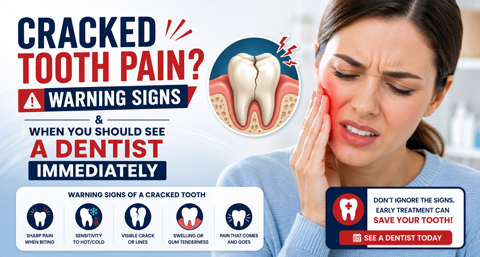
1. Severe, persistent toothache that won’t respond to home care
Intense pain that lasts for hours and does not improve with over-the-counter pain relievers or cold/heat measures can indicate an infected nerve (pulpitis) or abscess. Immediate evaluation matters because untreated infection may spread. Actions: take recommended OTC analgesics per label, avoid chewing on the affected side, and call an emergency dental clinic for same-day advice.
2. Uncontrolled oral bleeding after trauma
Significant bleeding that continues after 10–15 minutes of firm pressure needs urgent attention. For bleeding that soaks through bandages quickly, visit an emergency dental provider or an emergency department if bleeding is profuse or accompanied by other injuries. Apply continuous pressure with a clean gauze or cloth and keep the head elevated.
3. A knocked-out (avulsed) tooth
When a permanent tooth is completely knocked out, quick action can save it. Rinse the tooth gently without scrubbing, keep it moist (place in milk or saliva), and seek emergency dental care within 30–60 minutes if possible. For children, primary (baby) teeth are treated differently — do not replant primary teeth without dental advice.
4. Facial swelling with fever or difficulty breathing/swallowing
Swelling that spreads to the cheek, under the jaw, or the neck and is accompanied by fever or trouble breathing is a medical emergency. These are signs of a deep or spreading infection. Prompt evaluation is required; if breathing is compromised, call emergency services immediately.
5. Broken tooth or crown exposing the nerve, or a loose tooth after trauma
A fracture that exposes the pulp (the tooth’s living tissue) or a crown that has come off and causes sharp pain or sensitivity needs urgent repair to prevent infection. Similarly, a tooth that becomes markedly loose after a hit may need stabilization right away.
S.A.F.E. Dental Triage Checklist (named framework)
The S.A.F.E. Dental Triage Checklist helps prioritize urgent dental needs and decide next steps:
- Symptoms — Identify pain level, swelling, bleeding, fever, breathing/swallowing difficulty.
- Assess — Can the person safely wait for a scheduled appointment? Is there airway compromise?
- First-aid — Apply pressure for bleeding, save/transport avulsed tooth in milk or saliva, use cold packs for swelling.
- Emergency referral — Contact an emergency dentist or emergency department based on severity.
Where to get after-hours care and what to expect
After-hours dental care Woodbridge: what to expect
Many clinics and hospital dental services offer after-hours slots or on-call dentists for urgent cases. Expect triage questions about symptoms, a recommendation for immediate steps, and either same-day clinic time or referral to an emergency department. If infection signs or airway risk are present, prompt hospital evaluation is advised.
Practical tips: 3–5 immediate actions to take
- For bleeding: apply firm pressure with gauze and keep the head elevated.
- For a knocked-out tooth: handle by the crown, rinse briefly, place in milk or inside the cheek, and seek emergency dental care quickly.
- For swelling: apply cold compresses externally for the first 24–48 hours and avoid heat if infection is suspected.
- For severe pain: take recommended doses of acetaminophen or ibuprofen unless contraindicated; do not mix NSAIDs and high-dose acetaminophen without professional advice.
- Document the incident and take clear photos of injuries or loose/broken restorations to send to the clinic if requested.
Common mistakes and trade-offs
Waiting for pain to 'go away' is a frequent and risky mistake — infections can worsen quickly. Choosing the emergency department versus an emergency dentist depends on the issue: the ED is best for uncontrolled bleeding, airway compromise, or multisystem trauma; a dental emergency clinic is better for isolated dental injuries and most dental infections. Avoid self-removing deeply embedded tooth fragments or using unproven home remedies that can delay care or cause harm.
Real-world example
Scenario: A weekend soccer match results in a hard hit to the mouth. The player has a visibly displaced front tooth, rising cheek swelling, and trouble swallowing. Immediate steps follow the S.A.F.E. checklist: assess symptoms (swelling and swallowing risk), apply cold compresses, keep the person upright, and call an emergency dental clinic. The clinic triaged the case as urgent and arranged a same-day visit; the dentist stabilized the tooth and started antibiotics for suspected infection. Without that rapid response, infection and permanent tooth loss were more likely.
Core cluster questions (for related articles or internal linking)
- How to handle a knocked-out tooth before reaching a dentist
- Signs of a dental abscess and when to seek emergency care
- Differences between emergency dental clinics and hospital emergency departments
- What to do for severe tooth pain at night or on weekends
- When a broken crown requires immediate attention
For general guidance on dental emergencies and infection risk factors, see the American Dental Association's consumer information on emergency care: ADA — Emergency Dental Care.
Next steps and how to prepare
Save local emergency dental numbers and your regular dentist’s after-hours contact. Keep a small kit with gauze, a syringe for rinsing, and a sealed container for a knocked-out tooth. If there are medical conditions (anticoagulant use, immune compromise), mention these when calling so the provider can prioritize safely.
Final checklist before contacting care
- Is there uncontrolled bleeding, airway risk, or severe swelling? If yes — seek immediate care.
- Is a tooth completely knocked out? Preserve the tooth in milk or saliva and contact emergency dental services immediately.
- Is there severe persistent pain or signs of spreading infection (fever, increasing swelling)? Call for same-day assessment.
FAQ
How quickly can I see an emergency dentist in Woodbridge?
Availability varies by practice, but many emergency dental clinics offer same-day or next-available slots for urgent cases. Call local clinics and describe symptoms; they will triage and advise whether to come in immediately or visit an emergency department.
Can an emergency dentist save a knocked-out tooth?
Yes — if a permanent tooth is replanted within about 30–60 minutes and handled properly, the chance of saving the tooth improves. Keep the tooth moist in milk or saliva and seek emergency dental care immediately.
When should a dental infection be treated at a hospital instead of a dental clinic?
If infection causes difficulty breathing, swallowing, high fever, or rapidly spreading swelling into the neck or eye area, seek hospital emergency services. Hospitals can manage airway risks and provide IV antibiotics or surgery if necessary.
Is it safe to wait to see a regular dentist the next day?
If pain is mild and there are no signs of spreading infection, waiting may be reasonable. However, worsening pain, swelling, fever, or bleeding requires same-day attention. When in doubt, use the S.A.F.E. checklist and contact a provider for triage.
What should be included in an emergency dental kit?
Include sterile gauze, a small container for a knocked-out tooth, ibuprofen or acetaminophen (if appropriate), a cold pack, and a saline or water syringe for gentle rinsing. Keep provider contact numbers handy.