How to Get Around Kashmir: Top 5 Transportation Options and Practical Guide
-
- Published Updated
- 937 views
Travel planning should start with how to move between valleys and towns. This guide covers transportation in Kashmir with the five most useful options, how they compare, and practical steps to choose the right one for each leg of a trip.
- Top options: private car/taxi, buses, trains (to nearby hubs), flights to Srinagar, and shikara/boat travel on lakes and rivers.
- Best for flexibility: private car or taxi. Best for budget: state-run buses. Best for speed: flights to Srinagar.
- Use the KASHMIR-TRIP checklist before travel. Check local advisories and weather.
Detected intent: Informational
Transportation in Kashmir: Top 5 Options
1. Private car or hired taxi (inter-city and day trips)
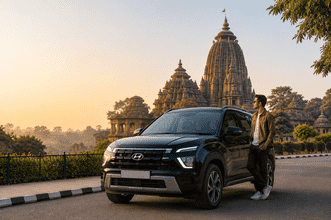
Private cars and hired taxis are the most flexible option for Kashmir travel by road. They allow stopping at viewpoints like Sonamarg and Gulmarg, and are suited to groups and families. Typical journey examples: Srinagar to Pahalgam ~3–4 hours by road; Srinagar to Gulmarg ~2 hours depending on traffic and weather.
2. State-run and private buses
State-run buses and private coaches connect Srinagar with other towns and neighbouring states. Buses are cost-effective for long distances but follow fixed schedules and can be slower on mountain roads. For inter-city travel on a budget, buses are the primary public option.
3. Air travel — flights to Srinagar Airport
Flights are the fastest way to reach Kashmir from major Indian cities. Srinagar's Sheikh ul-Alam Airport (SXR) handles most commercial flights; use Srinagar airport transfers or pre-booked taxis to reach the city. Air travel reduces overland time during short trips or limited schedules.
4. Rail + road (nearest railheads and onward transport)
Rail access directly into the Kashmir Valley is limited. Travel often combines a train to Jammu Tawi or Srinagar’s nearest rail projects, then road transport onward. This option is useful for travellers who prefer trains for comfort and luggage handling, then hire a car or bus for the valley portion.
5. Local boats, shikaras, and river transport
On Dal Lake, Nigeen Lake and some riverine areas, shikaras and small boats are practical for short trips and sightseeing. They are not substitutes for inter-city transport but are essential for island accesses, lakeside hotels, and certain villages.
How to choose — the KASHMIR-TRIP checklist
Use this simple, named checklist before committing to bookings:
- Know routes and distances (check road times for hill roads)
- Account for season and weather (snow closes passes)
- Select transport by priority: speed, cost, comfort
- Have permits and ID ready if required
- Monitor local advisories and traffic updates
- Insurance and emergency contacts (local hospital numbers)
- Reserve ahead during peak season
Practical comparison and trade-offs
Speed vs cost vs flexibility
Flights win on speed but cost more and require transfers to reach remote valleys. Private cars and taxis are flexible for door-to-door travel and sightseeing but cost more than buses. Buses are cheapest but least flexible; boats are locally essential but limited in range.
Common mistakes to avoid
- Assuming all routes remain open year-round — mountain passes close seasonally.
- Booking last-minute transport during peak festivals or summer weekend spikes.
- Choosing public buses for tight multi-stop itineraries where time is limited.
Short real-world example
A three-person family flying into Srinagar chooses a pre-booked airport taxi to a Srinagar hotel (30–45 minutes). For a day trip to Gulmarg, a hired taxi is booked for the round trip (~INR 3,000–4,500 depending on season); the family uses a shikara on Dal Lake the following afternoon for sightseeing. This mix saved time and provided local experiences while keeping one long drive per day.
Practical tips for getting around Kashmir
- Book critical legs (airport transfer, inter-city taxi) in advance during May–September and winter festival periods.
- Confirm vehicle condition and driver experience for mountain routes; ask about blankets and mobile connectivity on long trips.
- Check weather and road advisories before departure — closures can be sudden in winter. For official regional guidance see the Jammu & Kashmir tourism portal: jktourism.org.
- Carry cash for small vendors, shikara fares, and remote tolls; digital payments are increasingly accepted but not universal.
Core cluster questions (for related articles or internal links)
- What is the cheapest way to travel between Srinagar and Gulmarg?
- How to arrange airport transfers at Srinagar Airport?
- When are mountain passes in Kashmir closed for winter?
- Are shikara rides on Dal Lake regulated and safe?
- How to combine train and road travel to reach Kashmir?
Common mistakes and trade-offs (quick guide)
Choosing the cheapest option for every leg can cost time and comfort. For single-week trips, prioritize speed for the arrival/departure legs (flight or fast private transfer) and flexibility for sightseeing days (taxi). Avoid relying solely on buses when a tight schedule is in place.
Final checklist before departure
- Confirm bookings and driver contacts 24 hours before travel.
- Check weather and road status; have a backup day for outdoor plans.
- Pack warm layers and basic first-aid; mobile signals can be patchy.
FAQ
Is transportation in Kashmir safe for tourists?
Yes, transportation in Kashmir is generally safe when standard precautions are taken: use licensed taxis, confirm driver credentials, avoid isolated roads at night, and monitor local advisories. Government bodies and tourism authorities post travel updates that should be checked before travel.
How reliable are Srinagar airport transfers?
Airport transfers are reliable if pre-arranged with reputable operators or hotels. Shared transport may be subject to wait times; private transfers offer predictable schedules but at higher cost.
Can long-distance buses reach all tourist destinations in Kashmir?
Buses connect major towns but do not serve isolated high-altitude routes reliably. For hill stations and remote valleys, hire a taxi or arrange local transport from a nearby bus stop.
Are shikara rides regulated and what should be expected?
Shikara services on Dal and Nigeen lakes are a traditional and regulated activity in built-up areas; agree fare and route before boarding and avoid crowded boats during high winds.
What paperwork or permits are needed for travel within Kashmir?
Most domestic tourists only need standard photo ID. Certain sensitive or restricted zones may require permits; verify requirements with local authorities or tourism offices before planning those visits.