Top 7 Historic Places in Seville: Must-See Monuments and Practical Tips
-

- Published Updated
- 1,233 views
Seville is rich in layered history, where Roman ruins, Moorish palaces and Renaissance churches coexist. This guide highlights the historic places in Seville that best represent the city’s architectural, religious and civic development, offering context and practical notes for first-time and returning visitors.
- Real Alcázar (Moorish and Mudéjar palace)
- Seville Cathedral and La Giralda (Gothic cathedral, former mosque minaret)
- Archivo de Indias (Colonial archives)
- Plaza de España (Regionalist architecture from 1929)
- Barrio de Santa Cruz (historic Jewish quarter)
- Triana and its riverside traditions
- Metropol Parasol and Roman remains (Plaza de la Encarnación)
Historic places in Seville: The seven must-visit sites
Each site below includes a brief description, why it matters historically, and a note on what to look for while visiting. For heritage designations and preservation information, UNESCO lists the Cathedral, the Alcázar and the Archivo de Indias as a World Heritage Site, and regional authorities such as the Junta de Andalucía oversee many conservation efforts.
1. Real Alcázar of Seville
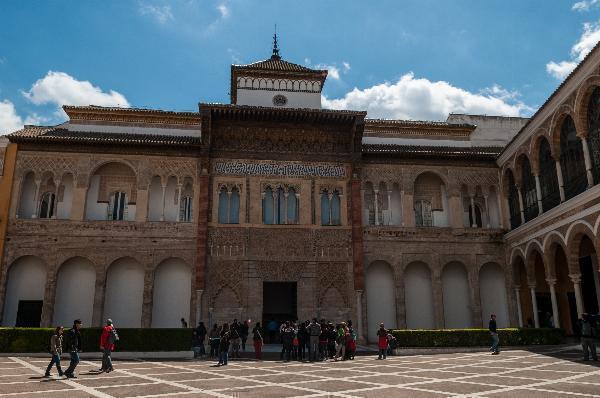
The Real Alcázar is a royal palace with origins in the Islamic period and extensive Mudéjar, Gothic and Renaissance additions. Noted for its ornate tilework (azulejos), carved plaster, courtyards and gardens, the Alcázar illustrates centuries of cultural exchange between Christian and Muslim traditions in Iberia. Visitors often focus on the Patio de las Doncellas, the Hall of Ambassadors and the palace gardens.
2. Seville Cathedral and La Giralda
Seville Cathedral (Catedral de Santa María de la Sede) is one of the largest Gothic cathedrals in the world, built on the site of a former mosque. La Giralda, the bell tower, began as the mosque’s minaret and was later adapted with Renaissance features. Important artistic and historical objects include tombs, altarpieces and the cathedral’s treasury. The cathedral and Giralda are central to Seville’s skyline and religious history.
3. Archivo General de Indias
Housed in a 16th-century building adjacent to the cathedral, the Archivo de Indias holds documents relating to Spain’s administration of the Americas. The archive is an essential resource for researchers of colonial history, trade networks and early modern governance. Its collections and the institutional history help explain Seville’s role as a port and administrative center during the Age of Exploration.
4. Plaza de España and Maria Luisa Park
Constructed for the Ibero-American Exposition of 1929, Plaza de España showcases regionalist architecture with ceramic benches representing Spain’s provinces. The adjacent Parque de María Luisa offers landscaped gardens and 19th–20th century urban design features. The square is illustrative of early 20th-century efforts to craft national identity through architecture and public space.
5. Barrio de Santa Cruz
The historic Santa Cruz quarter occupies the medieval core of Seville and was once the city’s Jewish district. Narrow lanes, patios, hidden courtyards and small churches make it a living example of medieval urban fabric adapted over centuries. Walking the neighborhood reveals layered periods—from medieval walls to Baroque facades—and offers insight into daily life across eras.
6. Triana district and the Guadalquivir riverside
Across the river, Triana has long-standing associations with ceramics, flamenco, and maritime trade. The district’s workshops, chapels and riverside terraces reflect the social and economic links between Seville and the Guadalquivir River. Sites of interest include pottery workshops, the riverside promenade and local markets that preserve traditional crafts and culinary practices.
7. Metropol Parasol and nearby archaeological remains
Known colloquially as "Las Setas," Metropol Parasol is a contemporary wooden structure that sits above archaeological remains from Roman and Moorish Seville. The site demonstrates how modern interventions can coexist with—and reveal—earlier urban layers. The on-site museum displays finds from excavations, offering direct insight into the city’s Roman period.
Practical visiting tips and preservation context
Plan visits to major monuments in advance, especially during peak tourist months. Many heritage sites manage visitor flow to protect fragile interiors and archaeological deposits. Official institutions such as the Spanish Ministry of Culture and regional heritage agencies provide guidelines on opening hours, ticketing and temporary restrictions for conservation work.
Accessibility and best times to visit
Seville’s hottest months are July and August; spring and autumn offer milder conditions. Some historic sites have limited accessibility due to ancient staircases or narrow passages—check site-specific accessibility statements before visiting. Early mornings and late afternoons can reduce crowds and improve lighting for photography.
Further reading and official references
For an overview of the World Heritage designation that includes the Alcázar, Seville Cathedral and the Archivo de Indias, see the UNESCO World Heritage listing: UNESCO — Cathedral, Alcázar and Archivo de Indias in Seville. Regional cultural offices such as the Junta de Andalucía and the Spanish Ministry of Culture publish conservation updates and visitor guidance.
Frequently asked questions
What are the top historic places in Seville to visit in one day?
One-day itineraries often combine the Alcázar, Seville Cathedral (including La Giralda), and a walk through the Barrio de Santa Cruz. Time permitting, add the Archivo de Indias nearby and a riverside stroll toward Triana.
Are the historic places in Seville open year-round?
Most major sites are open year-round but with seasonal hours and occasional closures for public holidays or conservation work. Consult official site pages or local heritage offices before traveling.
How can visitors support preservation of Seville’s historic places?
Support comes through purchasing official tickets, following site rules that protect interiors and archaeological contexts, and choosing guided tours led by accredited professionals. Donations to official heritage programs and participation in authorized educational activities also help sustain conservation efforts.
Which districts in Seville best reflect historical layers beyond the main monuments?
In addition to Santa Cruz and Triana, the Macarena and Arenal districts contain significant monuments, traditional trades and urban features that reflect Seville’s Roman, Islamic and modern histories.