Top Programming Languages to Learn in 2024: A Practical Guide
-

- Published Updated
- 1,160 views
Top programming languages to learn in 2024: a clear roadmap
Choosing the best programming languages to learn depends on goals, industry demand, and the kinds of projects planned. This guide lays out practical trade-offs, a simple decision checklist, and actionable steps so that learning time turns into useful skills — whether aiming for web development, data science, systems programming, or embedded work.
- Top choices in 2024: Python, JavaScript/TypeScript, Java/Kotlin, Rust, Go, and C# — chosen for demand, ecosystem, and long-term value.
- Use the LEARN checklist (goal → demand → ecosystem → projects → network) to pick a first language.
- Common trade-offs: speed vs. ease, ecosystem vs. control, general-purpose vs. niche.
- Detected intent: Informational
Best programming languages to learn: top choices and why
Below are languages selected for practical career impact in 2024, with the typical use cases and trade-offs.
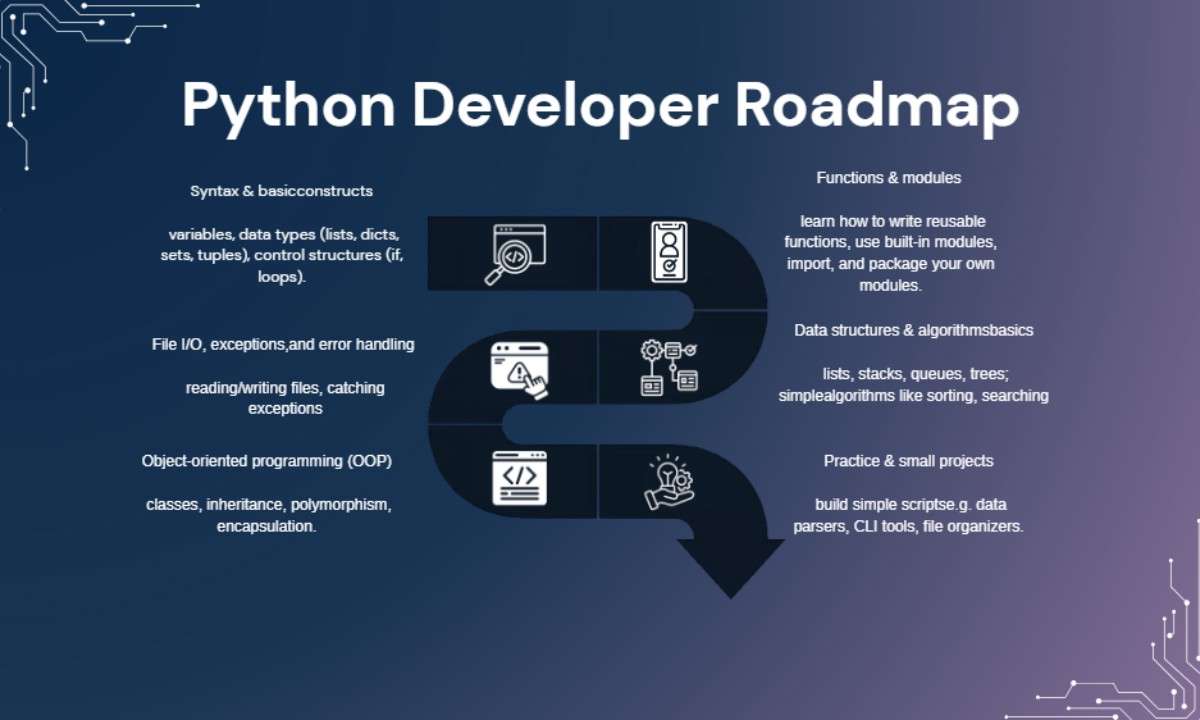
Python — versatility and data/AI entry point
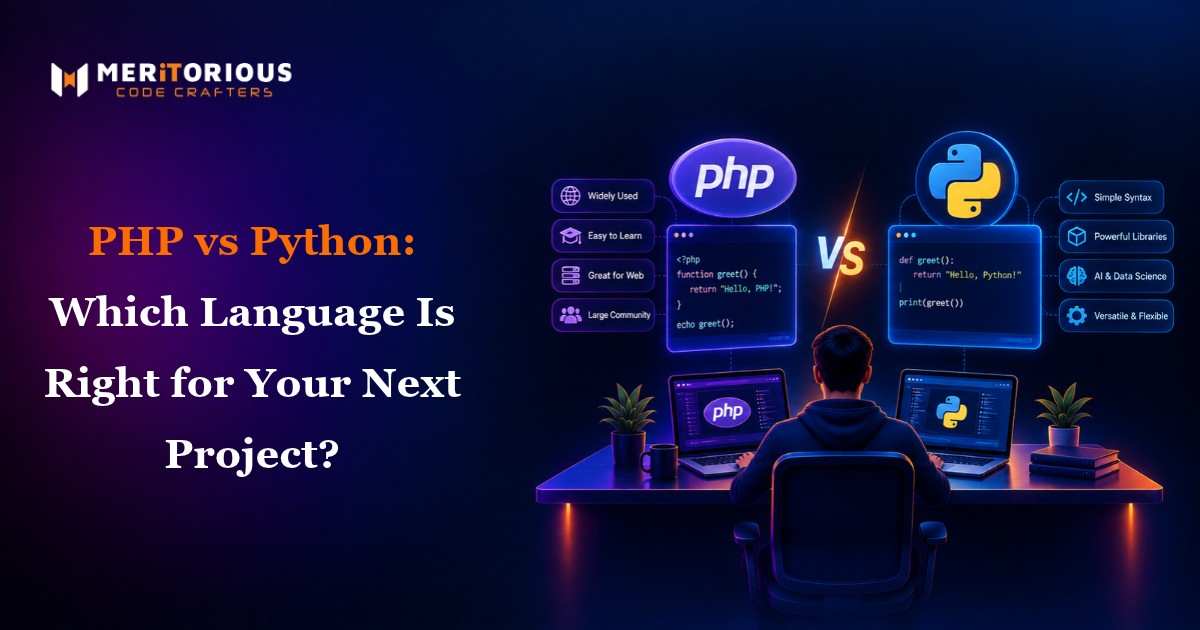
Use for: data science, machine learning, scripting, automation, web back ends. Strengths: clear syntax, large libraries (NumPy, pandas, scikit-learn, TensorFlow). Trade-offs: not the fastest for low-level systems or mobile apps.
JavaScript and TypeScript — web ubiquity
Use for: front-end web, server-side (Node.js), full-stack projects. TypeScript adds static typing for larger codebases. Strengths: universal browser support, massive ecosystem. Trade-offs: complex tooling and rapid framework churn.
Java and Kotlin — enterprise and Android
Use for: large-scale back ends, Android apps (Kotlin). Strengths: mature ecosystems, strong tooling. Trade-offs: more verbose than some modern languages.
Rust — systems, safety, and performance
Use for: systems programming, performance-sensitive apps, safe concurrency. Strengths: memory safety without garbage collection, growing ecosystem. Trade-offs: steeper learning curve (ownership model), longer compile times.
Go — cloud services and concurrency
Use for: microservices, cloud-native tools, command-line utilities. Strengths: simple syntax, fast builds, excellent concurrency primitives. Trade-offs: fewer language features and generics (improved recently), smaller standard library than some older languages.
C# — game development and enterprise
Use for: enterprise applications, .NET services, game dev (Unity). Strengths: rich framework support and tooling. Trade-offs: more Windows-centric historically, but cross-platform with .NET Core.
Choosing for specific goals
For beginners in 2024, a sensible path is: pick one high-level general-purpose language (Python or JavaScript/TypeScript), then add a systems or backend language (Go, Rust, Java) depending on career focus. The phrase programming languages for beginners 2024 appears frequently in job board filters; prioritize a language that lets new learners build projects quickly.
LEARN framework: a named checklist to pick a language
- Lose ambiguity: define the primary goal (web, AI, mobile, systems).
- Evaluate demand: check job listings and the Stack Overflow Developer Survey for industry trends.
- Assess ecosystem: libraries, package managers, and community support.
- Real projects: confirm the language enables real projects within 1–3 months.
- Network & resources: ensure learning resources and community help exist.
Reference for industry trends: the Stack Overflow Developer Survey shows which languages developers use most often and which are in demand (Stack Overflow Developer Survey).
Practical steps and quick project checklist
Step-by-step starter plan
- Pick a primary language using the LEARN framework.
- Set a 90-day project: a portfolio web app, data analysis notebook, or command-line tool.
- Follow a small course to cover fundamentals (syntax, data structures, I/O).
- Ship: deploy or publish the project and add to a portfolio or GitHub.
Practical tips
- Focus on one language until a working project is complete — learning multiple languages at once slows progress.
- Use project-based learning: clone a small app and incrementally modify features.
- Prioritize readable code and tests; habitually write small unit tests early.
- Learn the package manager and build tools for the language (pip/venv, npm/yarn, cargo, go modules).
Trade-offs and common mistakes
Trade-offs to consider:
- Ease vs. performance: Python is fast to write but slower at runtime than Go or Rust.
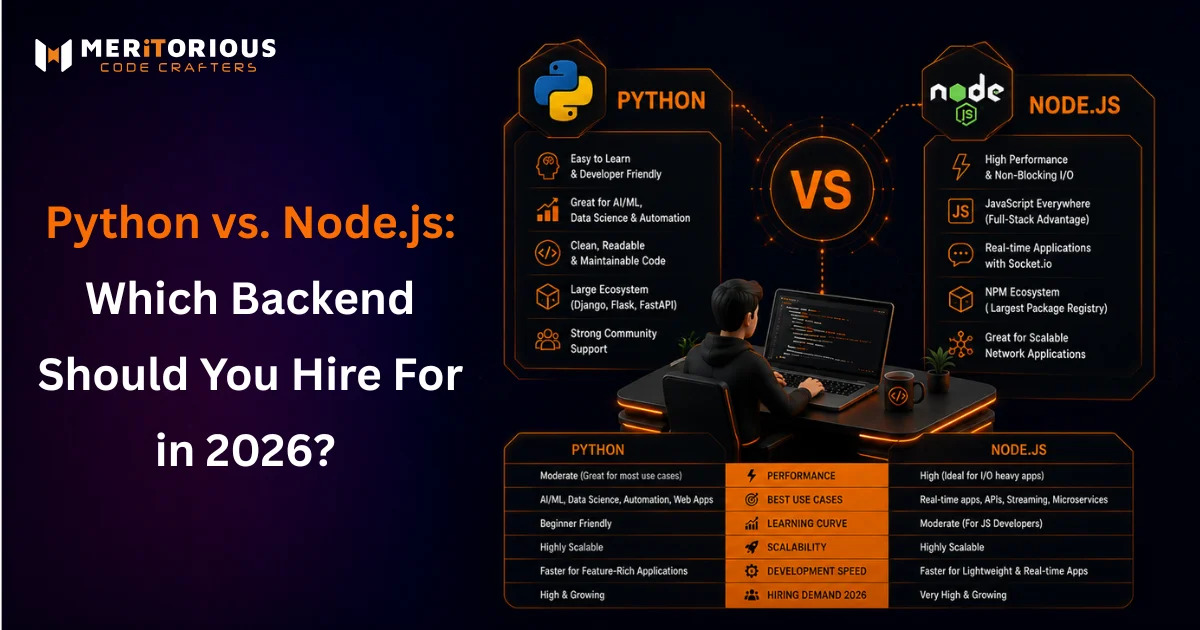
- Job market breadth vs. specialization: JavaScript/TypeScript covers many roles; Rust/Go are more niche but growing.
- Startup speed vs. long-term maintainability: quick scripts can become technical debt without tests and structure.
Common mistakes
- Chasing the newest language without a clear project or goal.
- Ignoring ecosystem tools (package managers, linters, formatters).
- Skipping version control and deployment practices.
Short real-world example
Scenario: An aspiring full-stack developer chooses TypeScript for front-end and Node.js back-end after using the LEARN framework. In 90 days the developer builds a to-do app with user authentication, deploys it to a cloud provider, and documents the process on GitHub. That portfolio project produces interview talking points and demonstrates practical skills.
Core cluster questions
- Which language is best for web development and backend services?
- How long does it take to become productive with Python?
- When should someone learn Rust versus Go for systems programming?
- What role does TypeScript play in building maintainable front-end apps?
- Which languages offer the best path from hobby projects to paid work?
FAQs
What are the best programming languages to learn for beginners?
Python and JavaScript (with TypeScript) are the most beginner-friendly for building useful projects quickly. The right choice depends on the target domain: web, data, or systems.
Are languages like Rust and Go worth learning now?
Yes — both are increasingly used in cloud and systems work. Rust is strong for safety and performance; Go excels for simple, concurrent back-end services.
How to choose between learning Java or Kotlin for Android?
Kotlin is the modern, concise option recommended by Android tooling; Java remains common in enterprise and legacy systems. Choose Kotlin for new Android projects.
How long will it take to get a job after learning a language?
With consistent practice and a portfolio project, many learners reach interview readiness in 3–6 months. Focus on projects that demonstrate applied knowledge, tests, and version control use.
Is it better to learn multiple languages or specialize?
Start by becoming competent in one language and its ecosystem, then expand to complementary languages based on career needs (e.g., JavaScript + Go, Python + Rust).