Top Signs to Schedule a Roof Inspection in NYC: Checklist, Timeline, and What to Look For
-

- April 07th, 2026
- 245 views

Get a free topical map and start building content authority today.
Why recognize the signs that a roof inspection in NYC is needed
A proactive roof inspection in NYC prevents small problems from becoming costly repairs. This guide explains the most common signs that trigger an immediate inspection, a practical 5-point checklist designed for typical New York City roofs, and clear next steps for property owners and managers.
- Schedule an inspection after storms, water stains, or when aging materials show wear.
- Use the 5-Point NYC Roof Inspection Checklist to prioritize safety and code risks.
- When in doubt about structural or code issues, hire a licensed roofing contractor and consult the NYC Department of Buildings.
Detected intent: Informational
When to schedule a roof inspection in NYC
Schedule a roof inspection in NYC promptly after any of the following signs appear. These are prioritized for local climate, building types (flat roofs, low-slope, and pitched), and NYC code considerations.
1. Visible leaks, water stains, or ceiling discoloration
Ceiling stains or active drips indicate water penetration. Common sources include failing flashing, cracked parapet walls, clogged scuppers, or membrane punctures. Water can travel far from the entry point; an inspection should trace the source, not just the visible stain.
2. Missing, curled, or broken roofing material
On shingle roofs, look for missing, split, or curled shingles. On flat roofs, inspect membrane seams, blisters, and exposed aggregate. Wind and winter freeze-thaw cycles common in NYC accelerate this damage.
3. Granule loss, sagging, or ponding water
Excessive granule loss in gutters indicates asphalt shingle wear. Flat roofs that retain water (ponding) after rainfall stress materials and lead to leaks or structural overload over time.
4. Loose flashing, damaged chimneys, or deteriorating parapets
Flashing and roof-to-wall connections are frequent failure points in NYC’s masonry buildings. Cracked mortar, loose chimney caps, or failing wall copings require fast repair to stop water intrusion and potential falling debris hazards.
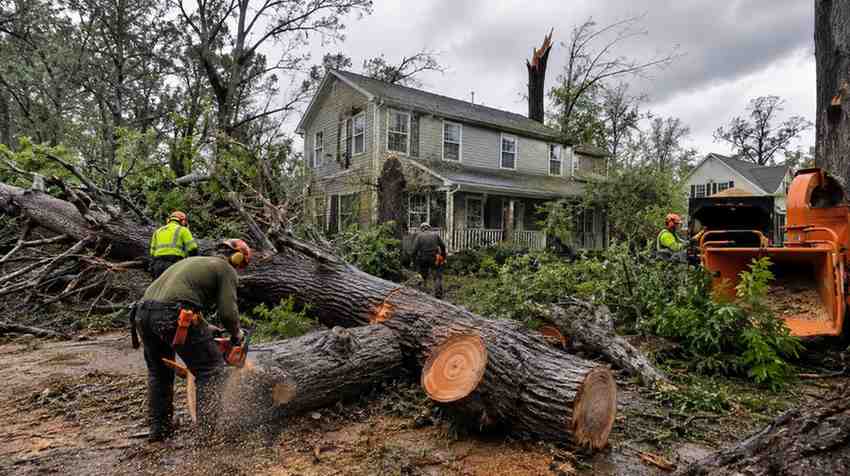
5. After a severe storm, heavy snow, or when a roof is near the end of its expected life
Wind, hail, and snow loads create acute and cumulative damage. If the roof is 15–20 years old (for many systems), schedule a professional inspection regardless of visible issues to plan for replacement or major repairs.
5-Point NYC Roof Inspection Checklist (named framework)
This 5-Point NYC Roof Inspection Checklist is a simple framework to evaluate risk quickly and communicate priority findings to contractors or managers.
- Surface & Membrane: Look for cracks, blisters, loose shingles, and seam failures.
- Drainage: Check gutters, scuppers, internal drains, and slope for ponding.
- Perimeter & Flashing: Inspect flashings, copings, parapets, and roof-to-wall transitions.
- Penetrations: Examine vents, HVAC curbs, skylights, and chimneys for gaps and seal failures.
- Structural Signs: Note sagging areas, rot near eaves, and interior evidence of roof framing issues.
Practical example: a Manhattan walk-up after a heavy storm
Scenario: A four-story walk-up experienced heavy wind and driving rain. Tenants reported water stains on the third-floor ceiling. An inspection using the 5-Point NYC Roof Inspection Checklist found clogged scuppers causing ponding, loose flashing at a parapet, and a small membrane puncture near an HVAC curb. Prioritizing flashing and drainage repairs stopped the leak; the puncture was patched and scheduled for monitored reinspection. This approach minimized tenant disruption and limited repair scope.
Practical tips for property owners and managers
- Document issues with dated photos and notes; include location, time, and weather conditions.
- After storms, prioritize a quick safety check for hazards (loose material, ice, or falling debris) before a full inspection.
- Keep roof-access records and inspection reports to support insurance claims and maintenance budgeting.
- For multi-unit or commercial buildings, coordinate inspections with HVAC and façade teams—many failures are at intersections of systems.
Common mistakes and trade-offs when scheduling inspections
Waiting too long
Trade-off: Delaying inspections reduces short-term cost but increases the chance of emergency repairs, internal damage, and higher insurance claims. Routine inspections extend service life and improve budget predictability.
Confusing temporary patches with full repairs
Temporary patches may stop active leaks but can hide systemic issues. Balance short-term fixes with scheduled comprehensive repairs to avoid repeated callbacks.
Not using qualified professionals
Using unlicensed or inexperienced contractors can lead to noncompliant work—especially important in NYC where Department of Buildings rules and local fire/structural considerations apply. Refer to recognized trade guidance (for example, the National Roofing Contractors Association) and consult the NYC Department of Buildings for code questions.
Core cluster questions (for related articles and internal linking)
- How much does a professional roof inspection typically cost in New York City?
- What is included in a comprehensive NYC roof inspection report?
- How long does a roof inspection take for a 3–6 story multi-family building?
- Which common roof problems in NYC are covered by insurance after a storm?
- What preventative maintenance reduces long-term roof replacement costs in urban buildings?
When to call a licensed contractor or file a DOB inquiry
If inspection findings include structural sagging, active leaks that affect electrical systems, major membrane failure, or parapet collapse risk, schedule a licensed roofing contractor and consider consulting the NYC Department of Buildings. For code, permit, or safety questions, the Department provides authoritative guidance and should be contacted when work may affect public safety or require permits: NYC Department of Buildings.
FAQ
How often should a property owner schedule a roof inspection in NYC?
Routine inspections are recommended at least annually for most roofs, plus after severe storms, heavy snowfall, or when the roof approaches the expected material lifespan (often 15–25 years depending on system). More frequent checks are prudent for older roofs or buildings with known drainage or flashing issues.
What does a roof inspector look for during an assessment?
Inspectors examine surface condition, drains and gutters, flashing and parapets, roof penetrations, and structural signs like sagging. A good report includes photos, prioritized repair items, and safety notes.
Can regular inspections lower insurance premiums or claims?
Yes. Well-documented maintenance and timely repairs reduce the frequency and severity of claims. Insurers often consider maintenance records during underwriting and claims review.
Are there specific NYC regulations to know before roof work begins?
Permit requirements vary by scope. Significant work, rooftop equipment changes, or structural repairs may need permits and compliance with NYC building codes. Consult the NYC Department of Buildings for clarity and a licensed contractor familiar with local rules.
What immediate steps should be taken if a leak is found during an inspection?
Safely contain water to limit interior damage (use buckets, move belongings), document the leak, and engage a licensed roofer for temporary containment followed by a planned repair. For electrical hazards, shut off affected circuits and call a professional.