Toyota Fortuner Problems Guide: Causes, Diagnostics, and Practical Solutions
-

- February 23rd, 2026
- 1,914 views

FREE SEO Topical Map Generator: Find Your Next Content Ideas
Overview
The Toyota Fortuner common problems that owners report range from engine and transmission issues to suspension wear and electrical quirks. This guide summarizes typical symptoms, practical diagnostic steps, routine maintenance actions, and guidance on when to consult a professional or check for safety recalls.
- Frequent issues: engine noise, transmission hesitation, suspension clunks, and electrical faults.
- Basic diagnostics: OBD-II scan, fluid inspection, and test drives to isolate symptoms.
- Preventive care: follow scheduled maintenance and monitor recalls or technical service bulletins (TSBs).
- When to seek help: persistent warning lights, major fluid leaks, or safety-related failures.
Toyota Fortuner common problems
Owners often encounter recurring items that are important to understand for safety and long-term reliability. Commonly reported categories include powertrain (engine and transmission), suspension and steering, brakes, electrical systems, and body/trim wear.
Powertrain: engine noise, loss of power, and transmission hesitation
Symptoms: rough idle, reduced acceleration, knocking or ticking sounds, and delayed gear engagement. Possible causes include worn spark plugs, clogged fuel injectors, degraded engine oil, timing chain/tensioner wear, or transmission fluid deterioration.
Practical steps: check engine oil level and condition, replace spark plugs and air filter according to the maintenance schedule, and have the transmission fluid checked for level and contamination. Use an OBD-II scanner to read fault codes that point to specific sensors or misfires.
Suspension and steering: clunks, premature tire wear, and alignment
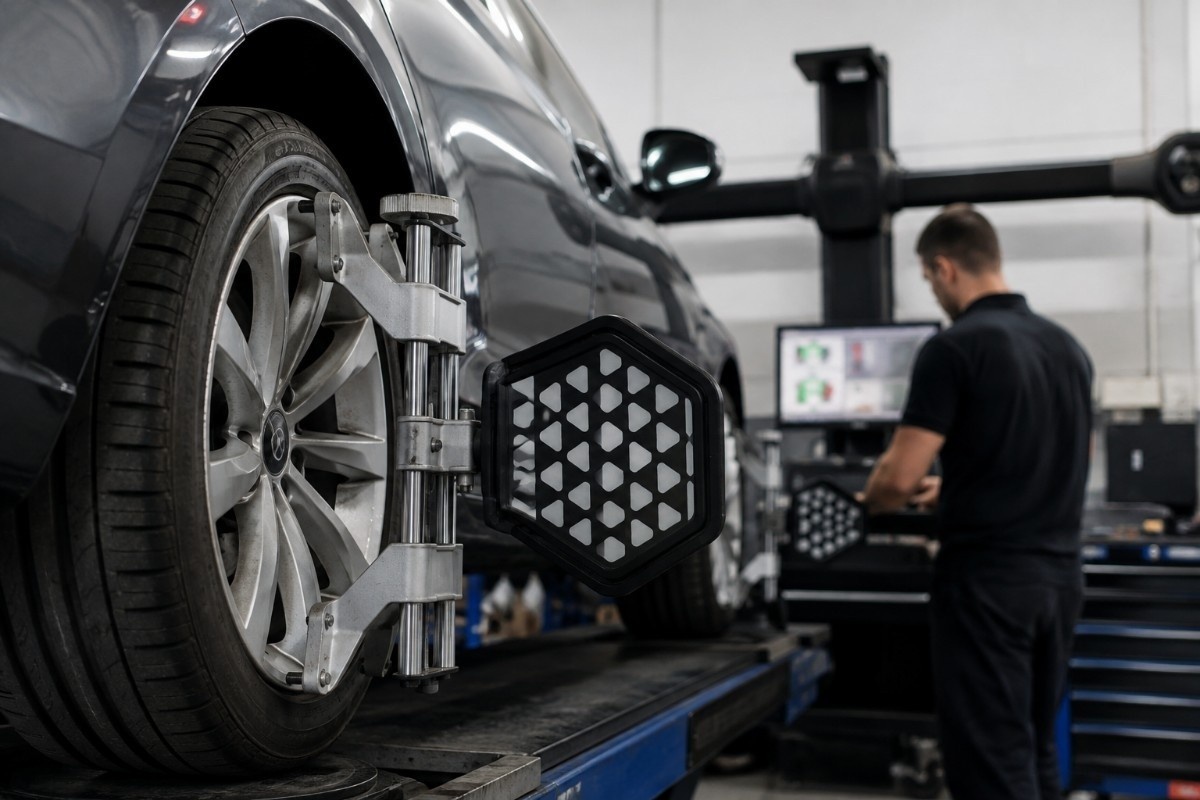
Symptoms: knocking on bumps, uneven tire wear, pulling to one side, or excessive body roll. Possible causes include worn bushings, shock absorbers, ball joints, or misaligned wheels.
Practical steps: inspect tires for uneven wear patterns, check shock absorber condition for leakage or poor rebound, and have a professional perform a wheel alignment. Replacing worn suspension components often restores handling and tire life.
Electrical and infotainment quirks
Symptoms: intermittent warning lights, battery drain, or infotainment freezes. Causes can include aging battery, loose grounds, failing alternator, software bugs, or connector corrosion.
Practical steps: test the battery and charging system, inspect battery terminals and grounding straps, and update infotainment or ECU software at an authorized service center if available.
Brakes and related noises
Symptoms: squealing, pulsation during braking, or reduced pedal feel. Causes include worn brake pads or rotors, stuck calipers, or air in the brake lines.
Practical steps: inspect pad thickness, rotor condition, and brake fluid level. Brake fluid should be replaced per the recommended interval because old fluid can degrade performance.
Diagnostics and tools
Onboard diagnostics and code reading
An OBD-II scan tool can reveal trouble codes that narrow down root causes for check-engine lights and emissions-related faults. Interpret codes using official repair literature or a certified mechanic.
Basic tools and inspection checklist
Useful items: a quality jack and stands, tire pressure gauge, multimeter for electrical checks, socket set, torque wrench, and an OBD-II scanner. Routine checks include fluid levels, belt condition, tire pressure and tread depth, and visible leaks.
Maintenance, recalls, and when to seek help
Follow the recommended maintenance schedule
Adhering to the manufacturer’s maintenance schedule helps reduce common problems. Key intervals include oil and filter changes, timing component inspections, transmission and differential fluid changes, and brake system service.
Recalls, technical service bulletins, and safety regulators
For safety-related defects or wide-spread failures, check official recall databases managed by regulators such as the National Highway Traffic Safety Administration (NHTSA). Records and recall notices can indicate design or manufacturing issues that may be repaired free of charge under a recall campaign. More information is available from the NHTSA website: NHTSA.
When to consult a dealer or qualified mechanic
Seek professional help for persistent warning lights, major fluid leaks, sudden loss of power, transmission slipping, or any safety-related failure. Warranty coverage, recall repairs, or certified service centers are appropriate channels for complex powertrain or airbag system problems.
Preventive tips and long-term ownership
Regular inspections and record keeping
Maintain service records and document any recurring faults. Regular inspections make it easier to spot trends like progressive oil consumption, warning light reoccurrence, or components reaching replacement intervals.
Choosing quality replacement parts
Use parts that meet or exceed manufacturer specifications for wear items such as brake pads, filters, and fluids. For major engine or transmission repairs, consult a service manual or a dealer to ensure correct specifications and torque values.
Resale value and pre-sale checks
Addressing known issues before selling helps preserve resale value. A pre-sale inspection that includes a test drive, fluid analysis, and a scanned fault-code readout provides transparency for buyers.
FAQ
What are the most common Toyota Fortuner common problems?
Most reported issues involve engine and transmission symptoms (noise, hesitation), suspension wear (clunks, uneven tire wear), electrical glitches (battery or infotainment), and routine brake wear. Frequency varies by model year, driving conditions, and maintenance history.
How can an OBD-II scan help diagnose Fortuner issues?
An OBD-II scan retrieves fault codes that identify misfires, sensor failures, or emissions system problems. Codes guide targeted repairs and reduce guesswork compared with symptom-only troubleshooting.
Are recalls common and where to check for them?
Recalls for safety-related defects are issued when regulators determine a systematic risk. Check the regulator databases such as the National Highway Traffic Safety Administration and official manufacturer communications for current recall status and remedies.
What routine maintenance reduces the likelihood of major repairs?
Regular oil and filter changes, timely replacement of wear items (brake pads, tires, filters), scheduled fluid changes, and adherence to timing component inspections lower the risk of major failures.
When is professional service required instead of DIY repairs?
Professional service is advised for transmission work, engine timing or internal repairs, airbag and safety system faults, and any issue that triggers a persistent warning light or large fluid leaks. Certified technicians have diagnostic equipment and repair specifications necessary for complex repairs.