Essential Features of Tracking Software: Capabilities, Privacy, and Selection
-
- Published Updated
- 1,587 views

The term tracking software appears across industries from logistics and workforce management to website analytics and device monitoring. Tracking software describes systems that collect, process, and present data about objects, users, devices, or events to support operational decisions and reporting.
- Tracking software captures and organizes data from sensors, devices, or user interactions.
- Core features include data collection, real-time monitoring, analytics, alerts, and integration APIs.
- Privacy, security, and regulatory compliance are essential considerations for deployment.
- Evaluation should weigh scalability, data governance, interoperability, and total cost of ownership.
Key Features of Tracking Software
Fundamental capabilities define the value of tracking software. These features determine how effectively a system supports operational visibility, decision-making, and reporting across contexts such as fleet management, asset tracking, employee monitoring (where permitted), or digital analytics.
Data collection and input methods
Tracking systems accept data from multiple sources: GPS and RTCM for location, RFID and barcode scanners for inventory, sensors for environmental conditions, and software agents or browser tags for digital interactions. Reliable collection requires support for batch uploads, streaming ingestion, and offline caching for intermittent connectivity.
Real-time monitoring and visualization
Real-time dashboards and map views are common features. Visualizations help identify patterns at a glance, show current locations or states, and support geofencing rules. Display performance, refresh intervals, and the ability to customize views affect operational usefulness.
Analytics, reporting, and historical data
Analysis tools range from basic filtering and export to built-in analytics that summarize routes, utilization, or user behavior. Historical records support audits, trend analysis, and predictive models. Data retention policies and export formats influence how historical insights can be reused.
Alerts, notifications, and automation
Automated alerts notify stakeholders about threshold breaches, missed checkpoints, or anomalous behavior. The flexibility to configure triggers, notification channels (email, SMS, push), and escalation rules is important for responsiveness.
Integration and APIs
APIs and connectors enable integration with enterprise resource planning (ERP), customer relationship management (CRM), mapping services, and business intelligence tools. Standardized APIs, webhooks, and data export options simplify automation and reduce manual work.
Security and data protection
Encryption in transit and at rest, role-based access control, audit logs, and secure authentication methods protect sensitive tracking data. Compliance with relevant standards and guidance from bodies such as the National Institute of Standards and Technology (NIST) supports risk management.
Scalability and performance
Scalability covers the number of devices, frequency of updates, and volume of stored data. Architecture choices (cloud-native, hybrid, on-premises) affect latency, availability, and long-term cost. Load testing and performance benchmarks help validate claims.
Types of tracking capabilities and common use cases
Location and asset tracking
Used in logistics, supply chain, and field operations, location tracking traces movement and location history. Integration with maps and routing tools supports optimization of routes and resource allocation.
Device and endpoint monitoring
Tracking software for devices collects system health metrics, connectivity status, and usage patterns. It helps with maintenance planning, firmware updates, and detecting faults.
Digital analytics and user behavior
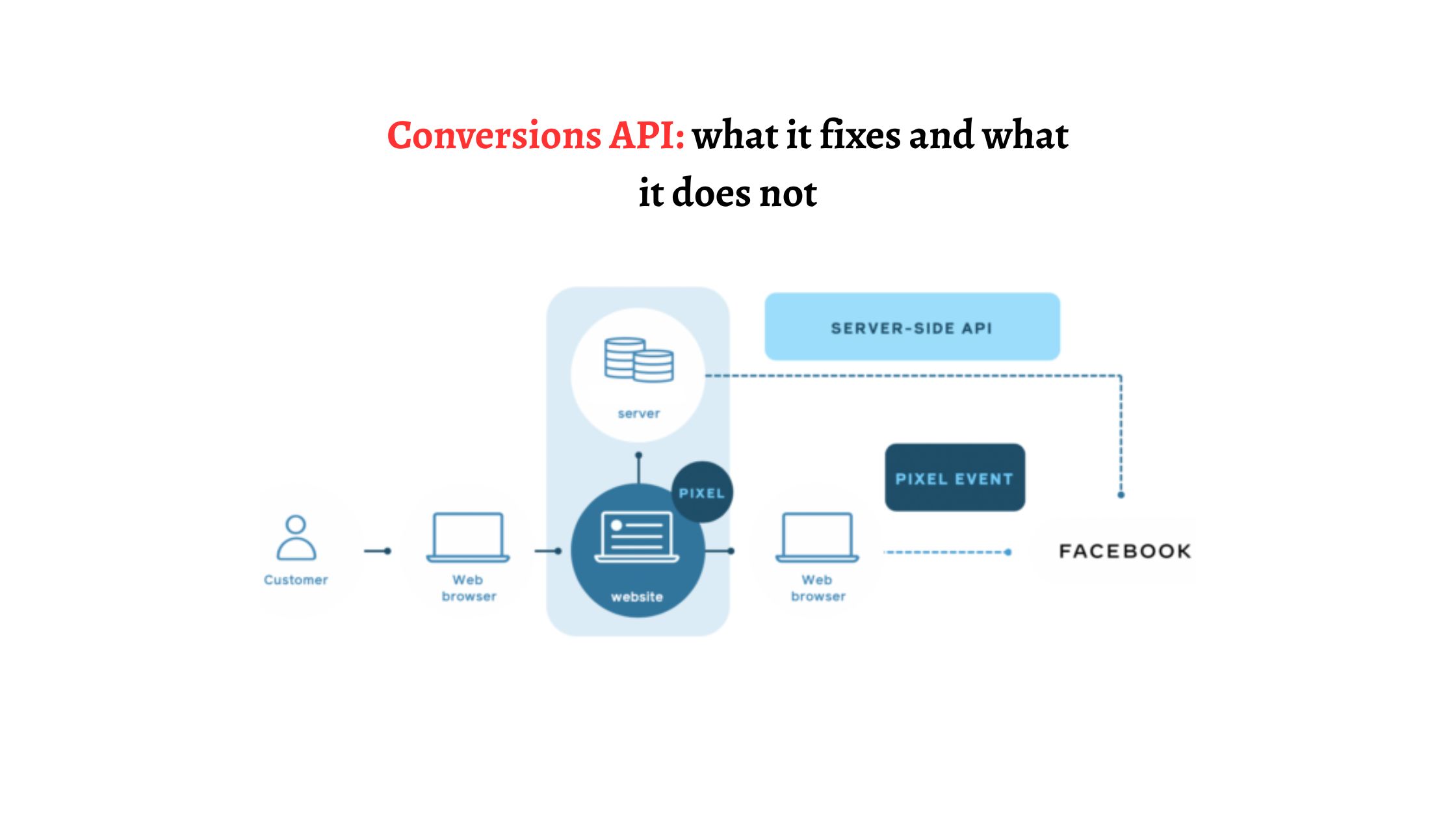
Web and application tracking focus on user sessions, events, conversion funnels, and attribution. Consent management and privacy-preserving techniques matter for compliance and user trust.
Privacy, compliance, and ethical considerations
Legal frameworks and regulators
Regulatory requirements vary by jurisdiction. In many regions data protection rules such as the EU General Data Protection Regulation (GDPR), guidance from national data protection authorities, and consumer protection rules from regulators such as the U.S. Federal Trade Commission (FTC) influence acceptable tracking practices. For background on EU data protection law see the European Commission guidance on data protection European Commission on data protection.
Data minimization and consent
Principles such as purpose limitation and data minimization recommend collecting only the data needed for a stated purpose. In scenarios that involve personal data, mechanisms for user consent, opt-out, and transparency about processing are essential to align with privacy frameworks.
Ethical use and transparency
Beyond legal obligations, organizations should consider ethical implications of continuous monitoring, particularly where the tracking concerns individuals. Policies, clear communication, and governance processes help manage potential harms.
Deployment, evaluation, and selection criteria
Interoperability and standards
Support for industry standards (for example, location formats, IoT messaging protocols, and authentication standards) simplifies integration and future migration. Open data formats and documented APIs reduce vendor lock-in.
Total cost of ownership and licensing
Consider initial deployment costs, subscription fees, infrastructure expenses, and costs associated with scaling. Licensing models vary widely; transparent pricing and predictable scaling terms aid planning.
Vendor reputation and technical support
Evaluate provider stability, support models, SLA commitments, and community or documentation quality. Independent reviews, case studies from similar sectors, and references can inform procurement decisions.
Proof of concept and testing
Pilot projects validate performance in the intended environment. Testing for accuracy, battery and network impact, and data workflows helps identify constraints before wide rollout.
Governance and data lifecycle
Policies for data retention, access control, deletion, and incident response define how data is managed across its lifecycle. Regular audits and alignment with internal compliance functions reduce risk.
Frequently asked questions
What is tracking software and how is it commonly used?
Tracking software is a category of systems that gather and present data about locations, devices, events, or user interactions. Common uses include fleet management, inventory control, device health monitoring, and web analytics.
How does tracking software handle privacy and compliance?
Handling privacy involves implementing technical controls (encryption, access controls), organizational measures (policies, staff training), and legal steps (consent mechanisms, data processing agreements) to meet regulatory requirements and reduce risks.
Which features matter most when evaluating tracking software?
Important features include reliable data collection methods, real-time monitoring, configurable alerts, integration APIs, security controls, scalability, and transparent data governance and retention policies.