What Traffic Equipment Is Required for Malaysia Construction Work Zones?
-
- Published Updated
- 1,701 views
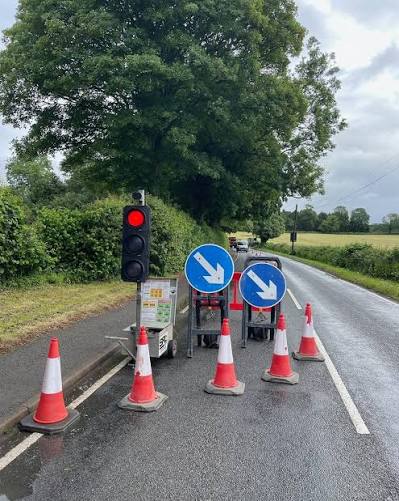
I have seen how construction work, on roads can create risks when vehicles, pedestrians and workers have to share limited space. In Malaysia careful work-zone planning keeps traffic moving. Protects people near the site. The right traffic equipment should be selected according to the road layout, traffic conditions, type of construction, and duration of the work. Malaysia’s Public Works Department (JKR) guidance for traffic management at work zones covers areas such as advance warning, transitions, buffer spaces, work areas, and termination areas.
How Traffic Management Equipment Supports Safer Construction Zones
A well-planned site also needs suitable traffic management equipment to guide road users clearly through temporary changes. Signs, cones, barriers, warning lights, and other devices should work together rather than being placed randomly around the construction area. JKR guidance highlights the importance of temporary signs, channelizing devices, temporary markings, lighting devices, and flagmen as part of
Key Traffic Equipment for Malaysian Work Zones
1. Temporary Traffic Signs
Temporary road signs are some of the things drivers notice when they get close to a construction area. These signs let people know about lanes work happening on the road changes, in speed limits different routes to take traffic that has to merge and other situations that are not permanent.
Signs should be positioned where motorists have time to read the warning and change their driving. Depending on the road and project, warning signs may be installed well before the actual work area. JKR describes an advance warning area as an important part of a traffic control zone because drivers need
2. Traffic Cones and Channelizing Devices
Traffic cones are commonly used to separate moving vehicles from construction activities. They can define temporary lanes, guide traffic around an obstruction, and mark changes in the road path.
Other channelizing devices may also be used where stronger or more visible separation is required. Their placement should create a clear and predictable path for drivers instead of leaving sudden or confusing changes in direction.
3. Safety Barriers
Barriers give a physical divide between traffic and the areas where workers, machinery or materials are present. Barriers are especially helpful, in places where vehicles could otherwise walk into the work area.
The type of barrier and how the barrier is arranged should fit the site conditions and the level of protection needed. Barriers should not be seen as visual markers. The purpose of barriers is to keep road users from hazardous areas.
4. Warning Lights and Temporary Lighting
Construction zones may operate during evenings, nights, or periods of poor visibility. Temporary lighting and warning lights can make signs, barriers, and channelizing devices easier to identify.
Lighting is especially important where the normal road arrangement has been changed. JKR’s road safety audit guidance specifically identifies temporary lighting devices as one of the items considered within traffic management at work zones.
5. Temporary Road Markings
When existing lane markings no longer match the temporary traffic arrangement, temporary markings can help drivers understand where they should travel.
These markings may be used together with signs and channelizing devices to create a consistent traffic path. The temporary arrangement should be checked regularly, particularly when construction progresses and the position of lanes or work areas changes.
6. Flagmen and Traffic Controllers
Some work zones need people who have been trained to control traffic by hand. Flagmen can help direct cars when lanes are shut down when big machines are coming in or going out of the place or when traffic has to move through an area one at a time.
Their job is to stand where they can see cars coming and make sure they can talk clearly to drivers and other workers.
Five Important Work-Zone Areas
Traffic equipment works best when it is planned around the different sections of a construction zone. JKR guidance identifies five typical areas: advance warning, transition, buffer, work, and termination. Advance warning area: Gives drivers early information about upcoming road conditions.
Transition area: Guides vehicles from their normal path into the temporary traffic route.
Buffer area: Provides a safety margin between moving traffic and the work area and should remain clear of workers, equipment, and materials.
Work area: Contains the actual construction activity and is normally separated from traffic.
Termination area: This is where traffic can exit the arrangement and return to the normal road layout. Traffic uses the termination area to get to the usual road.
Key Points to Remember
Choose equipment according to the road layout and traffic conditions.
Use advance warning signs before drivers reach the work area.
Use cones, barriers, and other channelizing devices to create a clear traffic path.
Provide suitable lighting and warning devices for night work or low visibility.
Keep buffer areas free from equipment, materials, and workers.
Review traffic controls whenever construction stages or road layouts change.
Coordinate work‑zone arrangements with authorities and affected groups where required. JKR guidance recommends coordination, with police, local authorities, emergency services, public transport operators, businesses and residents before traffic‑control devices are installed. I find that doing this keeps everyone safe and reduces confusion.
Why Proper Traffic Equipment Matters
Road construction can change quickly. A lane might be closed traffic might be moved to a carriageway or construction vehicles might need regular access to the site. Without traffic controls these changes can create confusion for motorists and increase risks for workers.
The equipment should therefore be seen as part of a traffic management plan not just, as separate items. Signs must match the road layout. Channelizing devices must guide vehicles correctly. Barriers or other protective measures must separate traffic from areas.
Regular inspections are also important. Damaged, displaced, dirty or poorly positioned equipment can reduce visibility. Make the temporary traffic arrangement less effective. Construction teams should check the work zone throughout the project. Make adjustments as site conditions change.
FAQs
1. What traffic equipment is commonly used at Malaysian construction sites?
Common equipment includes temporary warning signs, traffic cones, channelizing devices, safety barriers, temporary road markings, warning lights, lighting equipment, and traffic-control personnel.
2. Why are temporary traffic signs important?
Temporary signs alert drivers to road works, lane changes, diversions, lower speed limits and other updates ahead. These signs help motorists notice the changes, in time. They let drivers prepare and adjust their driving accordingly. This ensures everyone stays safe on the road.
3. What is a buffer area in a road construction zone?
A buffer area is a space between moving traffic and the place where work is happening. JKR guidance says that this area should stay empty. No workers, no equipment, no materials and no work vehicles should be, in this space.
4. Are warning lights needed for night construction work?
Lighting may be necessary where visibility is reduced or where temporary traffic controls need visibility. The appropriate lighting depends on the work-zone layout, road conditions and applicable project requirements. Lighting must be checked regularly for safety.
5. How should traffic equipment be maintained?
Equipment should be checked often to make sure signs can still be seen clearly. Cones and barriers need to be, in the places. Lights must work the way they are supposed to. Temporary lines should stay easy to understand. If any equipment is broken or moved it needs to be fixed or changed soon as possible.