Travertine Tiles Are Shaping Melbourne Style
-

- Published Updated
- 179 views
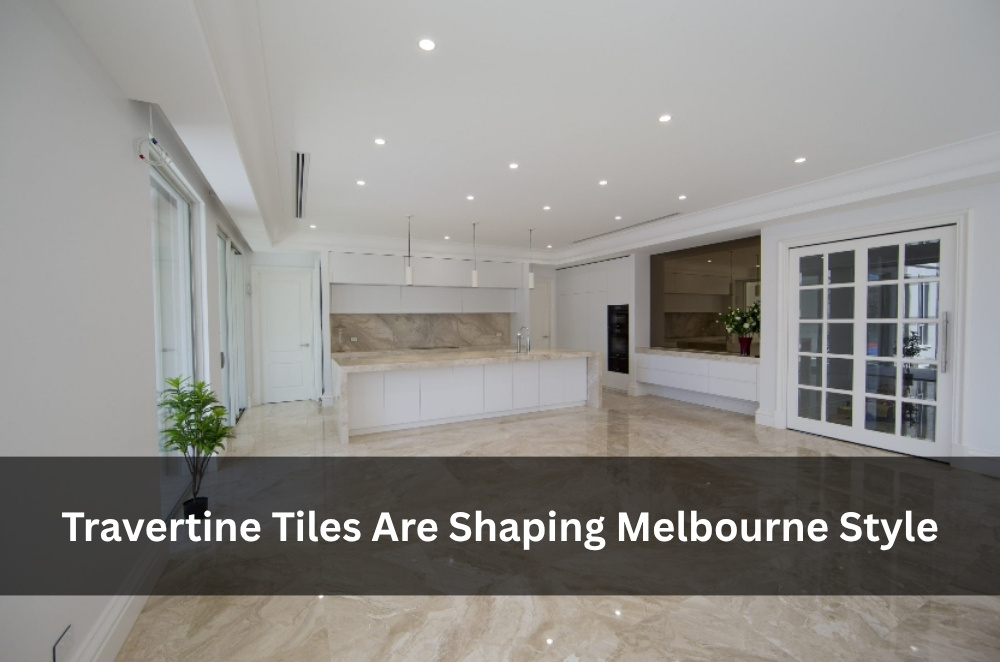
Cool winters, hot summers and a design scene that blends heritage with modern lines—Melbourne architecture keeps renovators on their toes. Natural stone floors and pavers tick the durability box, yet each variety behaves differently under local conditions. Travertine is one stone that keeps popping up from inner-city terraces to bayside alfresco areas.
What Sets Travertine Apart
Formed in mineral-rich springs, travertine has a subtle movement and muted palette that sidesteps trend fatigue. Its low thermal conductivity means it feels pleasant underfoot year-round, even when exposed to Melbourne’s yo-yo temperatures. If you’re weighing options for a new patio or bathroom, browsing travertine tiles in Melbourne gives a clear sense of colour ranges—silver, classic, walnut—and the finishes (filled, unfilled, honed) that define the final look.
Porosity often worries homeowners. Travertine sits in the mid-range: denser than sandstone, more breathable than porcelain. A penetrating sealer once installed keeps wine spills or muddy boots from becoming permanent reminders of last week’s dinner party.
Matching Stone to Melbourne’s Climate
Weather swings faster here than a Footscray midfield change. Outdoor pavers need to handle morning frost, midday glare, and sudden downpours. Travertine’s natural voids release moisture instead of trapping it, reducing the freeze-thaw cracks that chip harder, glassier stones. Indoors, the stone harmonises with hydronic heating systems common in period homes—conducting warmth gently without creating hot spots.
Salt exposure is another silent assassin around coastal suburbs. Tumbled travertine tolerates airborne salt crystals better than polished marble, so pool surrounds in Brighton or Altona stay intact longer with minimal surface pitting.
Design Ideas from Entryway to Alfresco
Stone choice is only half the story; layout and finish decide whether a space feels boutique or bland.
- Stepping-stone crazy paving across drought-tolerant lawn softens the straight lines of new builds.
- Large-format 610 × 406 mm tiles inside open-plan kitchens visually push walls outward without feeling clinical.
- French pattern sets—a mix of rectangles and squares—create movement on courtyard floors that might otherwise read as a concrete slab.
Texture often seals the deal. Honed and filled travertine feels like satin under bare feet—ideal for bathrooms—whereas unfilled tumbled pieces bring a rustic edge suited to veggie-garden paths or wine-barrel seating nooks.
Upkeep Without the Headache
Stone maintenance myths run rampant at weekend hardware demos. Travertine does not demand weekly resealing or specialist cleaners that cost more than the cabernet spilt on it. Real-world routine:
Task |
Frequency |
Notes |
Dry dust mop or soft broom |
Weekly |
Stops grit etching the surface |
Neutral-pH damp mop |
Fortnightly |
Steer clear of acidic citrus cleaners |
Penetrating sealer top-up |
Every 3–4 years |
Faster in high-traffic cafés, slower in guest bathrooms |
Stains left overnight can seep deeper than the sealer barrier, so a swift wipe still matters. Should etching occur—common with lemon slices flung during oyster prep—a light re-hone by a stone technician erases the mark without replacing tiles.
When It Pays to Call a Specialist
DIY installation saves money on square metre rates, yet subfloor prep is where wallets often bleed later. Timber substrates in Victorian terraces expand differently from concrete slabs in newer estates; a flexible membrane under travertine stops hairline cracks telegraphing through grout joints. A specialist tiler brings the right adhesives, knows the Australian Standards movement-joint spacing, and can source replacement crates quickly if a batch colour varies.
Meanwhile, councils update slip-resistance codes for outdoor stairs more frequently than many homeowners realise. Cross-checking the current P-rating requirements through the Australian government guide on stone materials clarifies whether a honed or brushed finish keeps inspectors happy.
FAQs
Do travertine tiles handle Melbourne’s sudden cold snaps?
Yes. The stone’s natural pores release absorbed water, reducing freeze damage compared with denser stones that trap moisture.
Will sealing change the colour?
Penetrating sealers sit below the surface and keep the original tone. Colour-enhancing sealers add a wet look but that choice is optional.
Can I lay travertine over existing tiles?
Only if the substrate is flat, stable, and professionally cleaned. Extra height might interfere with door clearances, so measure carefully first.
Does travertine scratch easily?
It ranks around 3–4 on the Mohs scale—harder than pine floorboards but softer than granite. Felt pads under furniture minimise marks.
Where Function Meets Flair
Travertine balances old-world warmth with the toughness modern households need. Pair the right finish with a sensible maintenance routine and the stone ages gracefully, picking up subtle character without losing structural edge. In a city that flips between four seasons before lunch, that adaptability explains its growing footprint across Melbourne patios, bathrooms and pool decks.