Tree Removal Cost Calculator: How Much Does It Cost to Remove a Tree?
-
- Published Updated
- 8,865 views
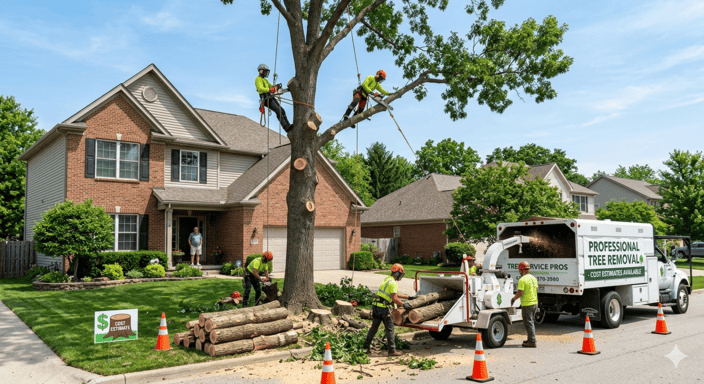
If you're searching for a tree removal cost calculator https://treeremovalcostestimator.org/, you're probably trying to answer one simple question: how much is this going to cost me? The honest answer is that tree removal pricing varies widely — from as little as $150 for a small shrub-like tree to over $2,000 for a towering hardwood near your home. This guide breaks down every factor that affects the price, gives you real cost ranges by tree size and type, and shows you exactly what to expect when you request quotes — so you can walk into the process informed and avoid overpaying.
Average Tree Removal Cost by Tree Size
Tree size is the single biggest driver of removal cost. Arborists and tree service companies typically calculate pricing based on tree height, diameter at breast height (DBH), and canopy spread.
| Tree Size | Height | Estimated Cost Range |
|---|---|---|
| Small | Under 30 ft | $150 – $500 |
| Medium | 30 – 60 ft | $450 – $1,000 |
| Large | 60 – 100 ft | $900 – $1,800 |
| Very Large | 100+ ft | $1,500 – $3,000+ |
These ranges reflect total job costs including labor, equipment, and basic cleanup. Stump removal and debris hauling are typically separate line items.
Key Factors That Affect Tree Removal Cost
1. Tree Height and Trunk Diameter
Taller trees require more time, more crew members, and heavier equipment — all of which add to the bill. Trunk diameter matters because thicker trunks take longer to section and remove. A 24-inch DBH oak is significantly more labor-intensive than a 10-inch DBH maple of the same height.
2. Tree Species and Wood Density
Hardwood trees (oak, elm, hickory, walnut) cost more to remove than softwoods (pine, cedar, spruce) because the denser wood dulls chainsaw blades faster and is heavier to haul. Certain species also have root systems that complicate access and removal.
Common species cost comparison:
- Pine (60–80 ft): $400 – $1,200
- Oak (60–100 ft): $700 – $2,000
- Palm (20–80 ft): $200 – $900
- Maple (40–60 ft): $500 – $1,100
- Poplar (80–100 ft): $900 – $1,800
- Dead tree (any size): Add 20–30% to standard cost due to unpredictable branch behavior
3. Location and Accessibility
A tree in the middle of an open backyard is the easiest and cheapest scenario. Costs climb significantly when:
- The tree is close to a house, fence, or power line (requires precision rigging)
- The yard has limited access for a bucket truck or chipper
- The tree overhangs a pool, driveway, or outbuilding
- The property is on a steep slope or has soft ground that limits equipment
Location surcharges can add $200–$500 or more to base pricing.
4. Tree Condition and Health
Diseased, dead, or storm-damaged trees are often more dangerous to remove because they're structurally unpredictable. Limbs can break unexpectedly, hollow trunks can collapse, and root decay can affect stability. Arborists factor in this risk when quoting — expect a 15–30% premium for hazardous tree removal.
5. Number of Trees
Most companies offer volume discounts when removing multiple trees in a single visit. The crew, equipment, and drive time are already mobilized, so per-tree costs drop with each additional removal.
6. Time of Year
Late fall and winter are typically the cheapest times to have trees removed. Demand drops, crews have more availability, and deciduous trees without leaves are easier to assess and section. Summer and post-storm periods see the highest pricing due to demand surges.
7. Permits
Many municipalities require permits for removing trees above a certain size, particularly on street-facing property. Permit fees range from $0 to $200+, depending on your jurisdiction. A reputable tree service will tell you upfront whether a permit is required — some will pull the permit for you; others leave that to the homeowner.
Stump Removal and Grinding Costs
Tree removal quotes almost never include stump removal unless you specifically ask. Expect to pay separately:
| Method | Cost Range |
|---|---|
| Stump grinding | $75 – $400 per stump |
| Chemical stump removal | $20 – $100 (DIY product cost; slow process) |
| Full stump extraction (with roots) | $300 – $700+ |
Stump grinding is the most common method. The grinder chips the stump 6–12 inches below ground, leaving wood chips behind. Root removal is a separate and more expensive process.
Multiple stumps: Many companies charge around $50–$75 per additional stump when done alongside a removal job.
Debris Removal and Cleanup Costs
After a tree is felled and sectioned, you're left with branches, logs, and wood chips. How that material is handled affects cost:
- Leave debris on-site (logs and chips): Often free — some companies even offer a discount if you keep the wood
- Chipping branches and hauling chips: Usually included or $50–$150 extra
- Full debris haul-away: $50 – $300+ depending on volume
- Log splitting (firewood): Some companies offer this for $75–$200 as an add-on
Emergency and Hazard Tree Removal Costs
A tree that falls on your roof after a storm or is leaning dangerously over your home qualifies as emergency removal. Emergency service rates typically run 25–50% above standard pricing due to after-hours labor and urgent mobilization.
Expect to pay $500–$5,000+ for emergency situations, depending on the tree size, damage complexity, and access. Check your homeowner's insurance policy — if the tree was diseased prior to the storm or fell due to neglect, coverage may be denied, but if it's storm damage, some or all removal costs may be covered.
DIY Tree Removal: When It's an Option (and When It's Not)
Small trees under 20 feet with no obstacles nearby can sometimes be a viable DIY project for experienced homeowners. Tool rental (chainsaw, pole saw) runs $50–$150/day. However, DIY tree removal is not recommended when:
- The tree is near a structure, utility line, or fence
- The tree shows signs of disease or structural weakness
- You are not experienced with chainsaw operation and proper felling techniques
- The tree is taller than you can safely manage from the ground
The cost of one ER visit far outweighs any savings from avoiding a professional.
How to Use a Tree Removal Cost Calculator
Online tree removal cost calculators typically ask for the following inputs to generate an estimate:
- Tree height (in feet or by category: small/medium/large/very large)
- Trunk diameter (in inches)
- Tree species or type (hardwood vs. softwood, or specific species)
- Location relative to structures (open yard, near house, near power lines)
- Tree condition (healthy, diseased, dead, storm-damaged)
- ZIP code or region (labor costs vary significantly by geography)
- Additional services needed (stump grinding, debris removal, log splitting)
The output is an estimated range. Always get at least 3 in-person or on-site quotes from licensed, insured arborists before committing — online calculators are a starting point, not a final price.
Regional Cost Variations
Labor costs for tree removal vary considerably across the United States:
- Northeast (NY, MA, CT): 20–40% above national average
- Pacific Coast (CA, WA, OR): 15–30% above average
- Southeast (GA, FL, SC): Near or slightly below average
- Midwest (OH, IN, MO): 10–20% below average
- Rural areas (any region): Lower labor costs but potential surcharge for travel distance
What to Look for When Hiring a Tree Service
Before you sign any contract, verify:
- ISA Certification: The International Society of Arboriculture certifies trained professionals. Ask for the arborist's certification number.
- Liability insurance: Minimum $1 million general liability. Ask for a certificate of insurance.
- Workers' compensation: Protects you if a worker is injured on your property.
- Written estimate: Never accept a verbal quote. Get it in writing with a breakdown of services.
- No upfront payment: Reputable companies don't require full payment before the job starts. A small deposit for large jobs is acceptable.
Quick Cost Estimation Guide
Use this as a rough starting point before contacting contractors:
Small tree (under 30 ft, open yard, healthy): $150 – $400
Medium tree (30–60 ft, some obstacles): $500 – $900
Large tree (60–80 ft, near home): $1,000 – $1,600
Very large tree (100+ ft, complex access): $1,800 – $3,000+
Add stump grinding: +$100 – $350
Add full debris haul-away: +$100 – $300
Emergency/hazard premium: +25–50%
Frequently Asked Questions
Does homeowner's insurance cover tree removal?
It depends. If a healthy tree falls on a covered structure due to a storm, your policy typically covers the removal cost (minus your deductible). If a dead or diseased tree falls — or if the tree didn't damage a structure — coverage is often denied.
How long does tree removal take?
Small to medium trees typically take 1–4 hours. Large or complex removals can take a full day or longer.
Can I negotiate tree removal pricing?
Yes, especially if you're having multiple trees removed, you're flexible on timing, or you're willing to keep the wood/chips. Don't be afraid to ask.
What's the difference between trimming and removal?
Tree trimming or pruning costs $75–$750 and maintains a living tree. Removal is the full extraction of the tree. If your goal is safety or health, sometimes trimming is a less expensive alternative worth exploring with an arborist first.