Understanding Trend Lights for Auto Repair Shops: Types, Benefits, and Best Practices
-
- February 23rd, 2026
- 1,084 views

👉 Best IPTV Services 2026 – 10,000+ Channels, 4K Quality – Start Free Trial Now
Trend lights for auto repair shops describe the lighting styles, technologies, and placement strategies that have become common in modern service facilities. Clear, consistent illumination supports inspection, repair, and safety tasks while also affecting energy use and worker comfort.
- Trend lights refers to common lighting solutions used in auto repair shops: LED overheads, dedicated task lights, boom lights, and portable inspection lamps.
- Key performance measures: lumens, lux, color temperature, CRI, uniformity, and glare control.
- Consider safety standards, electrical code, maintenance access, and energy efficiency when selecting fixtures.
- Regulatory and industry guidance from organizations such as OSHA and the Illuminating Engineering Society helps determine appropriate illumination levels.
What are trend lights for auto repair shops?
In practical terms, trend lights for auto repair shops include the set of lighting technologies and layouts that technicians, shop managers, and facility planners commonly adopt to improve visibility and reduce errors. These often emphasize high-output LED overhead fixtures for even bay illumination, adjustable task lights for close-up work, and specialized portable lamps for inspections inside engine bays and undercarriages.
Common types of shop lighting and where they are used
Overhead bay lighting
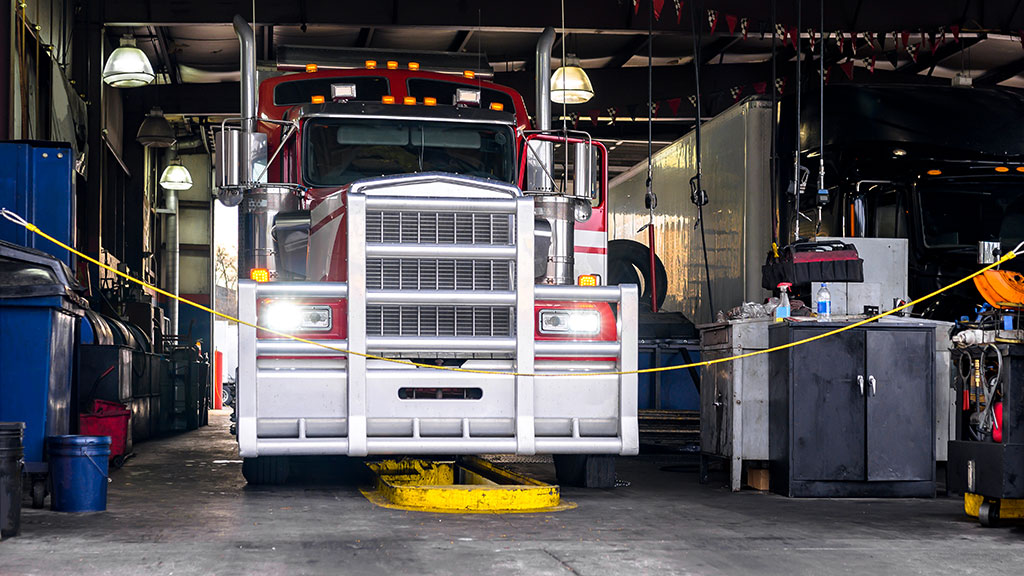
Continuous linear or high-bay LED fixtures are widely used to provide uniform illumination across service bays. These fixtures deliver high lumen output, long life, and lower maintenance needs compared with older fluorescent or metal-halide systems.
Task and inspection lighting
Adjustable arm lights, magnetic LED lamps, and articulated boom lights give focused, shadow-reducing illumination for detailed work such as diagnostics, wiring repairs, and engine assembly. Task lights with high color rendering index (CRI) help distinguish colors of wires and fluids.
Portable and handheld lamps
Rechargeable handheld LEDs and inspection sticks are common for under-hood and underbody inspections. Portability and battery runtime are important considerations for workflow efficiency.
Key lighting metrics and what they mean
Lumens and lux
Lumens measure total light output from a source; lux measures illumination level on a surface (lumens per square meter). Recommended lux levels vary by task: general bay areas need moderate levels while detailed inspection or small-part work requires higher lux values.
Color temperature and CRI
Color temperature (measured in kelvin) affects perceived color and contrast. Neutral-white ranges (around 3500–5000 K) are common in repair shops. Color Rendering Index (CRI) indicates how accurately a light source renders colors—higher CRI (80+) is preferable for tasks requiring accurate color identification.
Uniformity and glare control
Light uniformity reduces shadows and uneven brightness that can hide defects. Fixtures and placement should minimize direct glare into technicians’ eyes and reflective glare from vehicle surfaces.
Benefits associated with modern trend lights
Improved task performance and defect detection
Better illumination supports faster, more accurate inspections and repairs by making fault patterns, leaks, and color differences easier to see.
Energy efficiency and reduced maintenance
LED trend lighting reduces energy consumption and requires less frequent lamp replacement compared with older lamp technologies, lowering operating costs over time.
Enhanced safety and ergonomics
Properly designed lighting reduces eye strain and the risk of trips or mistakes caused by poor visibility. Combined with safe wiring and fixture mounting, lighting contributes to a safer workplace.
Installation, code, and safety considerations
Electrical and building code
Installation should follow local electrical codes and the National Electrical Code (NFPA 70) requirements for wiring and fixtures. Grounding, circuit protection, and appropriate fixture ratings for damp or oily environments are important.
Occupational safety guidance
Referencing guidance from occupational safety agencies can inform illumination targets and hazard controls. For example, OSHA provides workplace guidance on lighting and related hazards; planning lighting to reduce shadows and glare aligns with those principles. (OSHA lighting guidance).
Maintenance and lifecycle planning
Design for ease of lamp replacement and access when installing fixtures above service bays. Consider IP ratings and durable housings where oil, dust, or water exposure is likely.
Selecting trend lights for specific shop needs
Match light type to task
Use a combination of broad-area overheads for uniform brightness and targeted task/portable lights for detailed work. Evaluate CRI and color temperature relative to inspection tasks.
Consider energy and total cost of ownership
Initial fixture cost should be weighed against expected energy savings, maintenance intervals, and lifespan. Dimming controls, occupancy sensors, and zoned switching further reduce energy use.
Assess fixture placement and mounting
Plan fixture heights and spacing to achieve recommended lux levels and uniformity. Avoid mounting that creates direct glare into operator work zones or reflections that obscure surfaces.
References and industry resources
Industry guidance from organizations such as the Illuminating Engineering Society (IES) and standards in the National Electrical Code are commonly used when designing workshop lighting. Occupational safety agencies, including OSHA, publish information relevant to workplace illumination and hazard reduction.
FAQ
What are trend lights for auto repair shops and why do they matter?
Trend lights for auto repair shops refer to the prevalent lighting approaches—typically high-output LED overheads, task lamps, and portable inspection lights—chosen to improve visibility, reduce errors, and lower energy and maintenance costs. Proper lighting supports accurate diagnostics, safer workflows, and longer-term operational savings.
How bright should lighting be in a repair bay?
Recommended brightness depends on the task. General bay illumination may range from several hundred lux, while detailed inspection areas often require higher lux levels. Consult industry guidance from the Illuminating Engineering Society or workplace safety recommendations for task-specific targets.
Are LED trend lights better than older technologies?
LED fixtures typically offer higher energy efficiency, longer life, and better control over color temperature and beam distribution than older fluorescent or HID lamps. However, selection should consider CRI, glare, fixture quality, and environmental ratings appropriate to a shop setting.
Do lighting changes require special permits or inspections?
Electrical work often requires compliance with the National Electrical Code and may be subject to local permitting and inspection. Licensed electricians and adherence to local regulations are recommended when retrofitting or installing new fixtures.
How to balance energy savings with inspection accuracy?
Use energy-efficient LEDs with adequate lumen output and high CRI for task areas. Incorporate zoned controls and occupancy sensors so full illumination is available where and when needed while reducing energy use during idle periods.
Where to find formal guidance on workplace lighting?
Formal guidance is available from standards organizations and safety regulators, including the Illuminating Engineering Society (IES), the National Electrical Code (NFPA 70), and occupational safety agencies such as OSHA. These sources provide recommendations on illumination levels, fixture selection, and safety practices.