Tummy Tuck Surgery: A Practical Guide to Results, Recovery, and Risks
-

- March 16th, 2026
- 424 views
Tummy tuck surgery is a common cosmetic procedure for removing excess abdominal skin and tightening weakened muscles to improve body contour. This guide explains who typically benefits, how the operation and recovery work, trade-offs to weigh, and practical steps to prepare and recover for the best possible outcome.
- Detected intent: Informational
- Primary focus: clarify what tummy tuck surgery involves and realistic expectations
- Includes a named checklist (SHAPE) for preparation and 5 core cluster questions for further reading
- What are the types of abdominoplasty and which one fits different body goals?
- How long does an abdominoplasty recovery timeline usually take?
- What are the most common risks and complications after a tummy tuck?
- How to choose a qualified plastic surgeon for a tummy tuck?
- How does weight loss or pregnancy affect tummy tuck results?
Tummy tuck surgery: what it is and who is a candidate
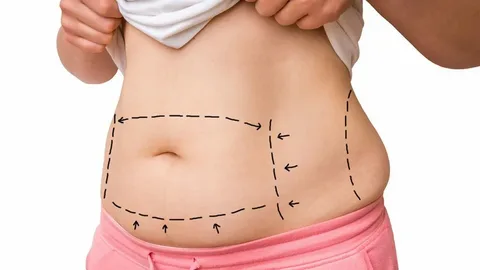
Tummy tuck surgery (also called abdominoplasty) removes loose skin and tightens abdominal muscles to create a flatter, firmer midsection. Typical candidates include people with excess skin after pregnancy or major weight loss, those with diastasis recti (separated abdominal muscles), and individuals seeking long-lasting contour improvement when diet and exercise alone cannot address loose skin.
Types of procedures
- Full abdominoplasty: addresses the entire abdominal area and often includes muscle repair.
- Mini abdominoplasty: limited to the lower abdomen for patients with less excess skin.
- Extended or fleur-de-lis: for larger, circumferential excess after massive weight loss.
Tummy tuck surgery: planning, the procedure, and the recovery timeline
Planning for tummy tuck surgery begins with a consultation that focuses on medical history, realistic goals, and surgical approach. Preoperative health optimization reduces complications and improves recovery.
Typical operative and recovery stages
- Day of surgery: general anesthesia is common; procedure time varies from 1.5 to 4 hours depending on type and combination with other procedures.
- Immediate postoperative: drains may be used; compression garments support tissues and reduce swelling.
- First 1–2 weeks: limited activity, walking encouraged to reduce clot risk; pain and swelling peak and begin to subside.
- Weeks 3–6: gradual increase in activity; many return to light work at 2–4 weeks but heavy lifting should be avoided for 6–8 weeks.
- 3–12 months: scars mature and flatten; final contour continues to improve over this period.
For more detailed guidelines and safety standards around cosmetic surgery, reputable professional societies provide patient resources and board certification verification (American Society of Plastic Surgeons).
SHAPE checklist for pre-op preparation
Use the SHAPE checklist before surgery to reduce risk and smooth recovery:
- S: Stop smoking at least 4–6 weeks before and after surgery.
- H: Health optimization — control diabetes, anemia, and other chronic conditions.
- A: Arrange support — plan help at home and time off work.
- P: Prepare the home — comfortable bed, easy-to-reach supplies, and pre-cooked meals.
- E: Expectation setting — confirm realistic goals and discuss scar placement and possible need for revision.
Real-world example
Scenario: A 35-year-old who completed childbearing and struggled with lower abdominal bulge after two pregnancies opts for a full abdominoplasty with muscle repair. Pre-op optimization included smoking cessation and a two-week program to improve nutrition and iron levels. The individual returned to a desk job after three weeks and resumed moderate exercise after eight weeks, with noticeable contour improvement by four months.
Risks, trade-offs, and common mistakes
Tummy tuck surgery offers meaningful contour change but requires balancing benefits against risks and recovery. Understanding trade-offs prevents unrealistic expectations.
Common risks
- Wound healing delays or infection
- Seroma (fluid collection) that may require drainage
- Visible scarring, contour irregularities, or asymmetry
- Rare but serious complications: blood clots, anesthesia-related events
Trade-offs
Choosing a more extensive procedure can address larger deformities but increases operative time, recovery duration, and complication risk. Minimally invasive alternatives have shorter recovery but may not deliver the same degree of improvement. Combining liposuction with abdominoplasty improves contour but can prolong swelling and recovery.
Common mistakes to avoid
- Underestimating recovery time — plan at least 2–4 weeks off work and avoid heavy lifting for 6–8 weeks.
- Choosing a surgeon based on price alone rather than training and experience.
- Proceeding before weight stabilization or final childbearing plans are complete.
Practical tips to improve outcomes
- Follow pre-op instructions precisely: medications, smoking cessation, and fasting guidelines.
- Use compression garments as directed to control swelling and support healing.
- Keep follow-up appointments and report signs of infection or unusual swelling immediately.
- Start gentle walking the day after surgery to reduce clot risk; avoid strenuous exercise until cleared by the surgeon.
How to choose a surgeon (brief checklist)
- Verify board certification and hospital privileges.
- Review before-and-after photos for similar patient types.
- Ask about complication rates, anesthesia arrangements, and revision policy.
When to delay or avoid a tummy tuck
Delay surgery until weight is stable and no further pregnancies are planned. Avoid if medical conditions are uncontrolled or if smoking cessation is not achieved. For some patients, non-surgical body contouring or targeted exercise may be more appropriate initial steps.
Frequently asked questions
What is tummy tuck surgery and how long is recovery?
Recovery varies by procedure type and individual health. Expect 1–2 weeks of restricted activity, return to light work at 2–4 weeks, and avoidance of heavy lifting for 6–8 weeks. Final results may take 3–12 months as swelling resolves and scars mature.
How does an abdominoplasty recovery timeline compare to liposuction?
Liposuction typically has a quicker initial recovery and less scarring but may not correct loose skin or muscle separation. Abdominoplasty involves more extensive healing time due to incisions and muscle repair.
What are the main risks and how common are complications?
Common issues include seroma and minor wound-healing problems; serious complications are uncommon when patients are properly selected and surgery is performed by an experienced, credentialed surgeon. Following pre-op and post-op instructions reduces risk.
Can future pregnancy reverse tummy tuck results?
Pregnancy can stretch the abdominal muscles and skin again, potentially reversing some benefits. It is usually recommended to complete childbearing before undergoing a tummy tuck.
How soon can exercise resume after a tummy tuck?
Light walking is encouraged early; return to non-impact exercise is often possible after 4–6 weeks with surgeon approval. Full-strength training should wait until cleared, commonly around 8–12 weeks depending on healing.