What Is a Two-Way Radio Set and How It Works
-

- Published Updated
- 63 views
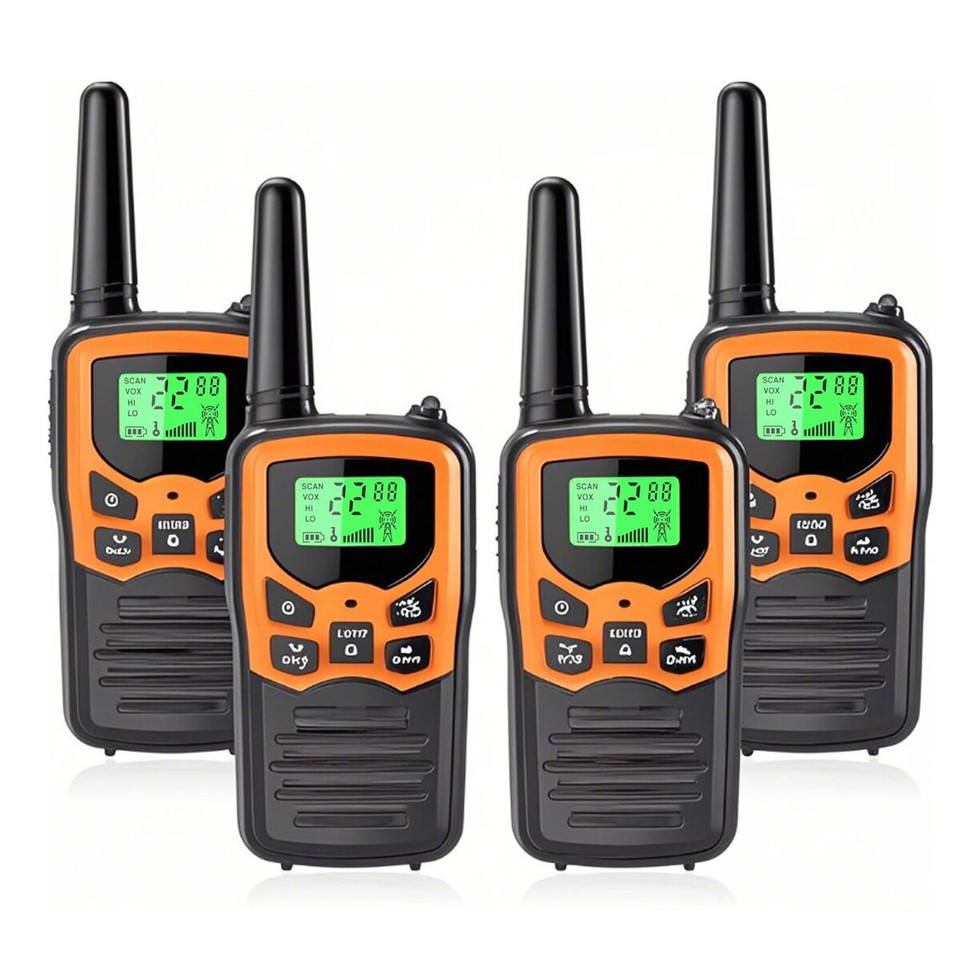
A two-way radio set is a practical communication tool that allows two or more people to speak and listen over radio frequencies without relying on a mobile network. It is widely used in workplaces, events, security operations, construction sites, hospitality, outdoor activities, and emergency response because it offers fast, direct communication. If you have ever wondered how teams stay connected across large spaces or in areas with poor phone signal, a two way radio set is often the answer.
Unlike a standard broadcast radio, which only receives signals, a two-way radio both transmits and receives. That simple difference makes it much more useful for coordination. One person speaks into the device, the message is converted into radio waves, and another radio tuned to the same channel receives and converts it back into sound. The result is instant communication that does not depend on internet access or a mobile mast.
Key points
- Two-way radios allow users to both send and receive voice messages.
- They work by converting sound into radio signals and back into audio.
- They are useful in workplaces, emergency services, events, and outdoor settings.
- Different types include analogue, digital, handheld, and vehicle-mounted radios.
- Range, battery life, and licensing are important factors to consider.
What a two-way radio set actually is
A two-way radio set is a device or system designed for short, direct voice communication between users on the same frequency or channel. It usually consists of a radio unit, an antenna, a microphone, a speaker, and a push-to-talk button. Some models are handheld and portable, while others are fitted into vehicles or fixed control rooms.
The main purpose of the radio is to create a reliable line of communication. In practical terms, this means a security team can coordinate patrols, a warehouse team can manage deliveries, or event staff can respond quickly to issues without having to make phone calls. Because the communication is immediate, it is especially valuable when speed matters.
How two-way radio communication works
1. Speaking into the microphone
When the user presses the push-to-talk button and speaks, the microphone captures the sound waves of the voice. These sound waves are then converted into electrical signals inside the radio.
2. Transmission of radio waves
The electrical signals are sent to the transmitter, which turns them into radio waves. These waves travel through the air at very high speed. The antenna plays a key role here by sending the signal out efficiently.
3. Reception by another radio
Any other radio set to the same channel and within range can pick up the signal. Its antenna receives the radio waves and passes them to the receiver inside the device.
4. Conversion back into sound
The receiver changes the radio signal back into an electrical signal and then into sound through the speaker. The message is heard almost instantly, which is why two-way radios are known for their speed and reliability.
Why two-way radios are so widely used
One of the biggest advantages of a two-way radio set is that it does not rely on mobile coverage. This makes it especially useful in rural areas, underground locations, large buildings, warehouses, and busy public spaces where phone reception may be weak or inconsistent. It also allows several users to listen to the same channel, which is ideal for team-based work.
Another major benefit is simplicity. Most two-way radios are easy to use, with a straightforward push-to-talk function and clear audio. There is no need to dial numbers or wait for a connection. For many organisations, this makes communication faster and reduces the chance of delay during important tasks.
Types of two-way radio sets
Analogue radios
Analogue radios have been used for decades and remain common because they are dependable and easy to operate. They transmit voice signals in a straightforward way and are often suitable for smaller teams or basic communication needs.
Digital radios
Digital radios convert voice into digital data before transmission. This often provides clearer audio, better privacy options, and improved battery efficiency. They are frequently used in professional environments where communication quality matters.
Handheld radios
Handheld radios, also known as portable radios, are compact and battery-powered. They are designed for users who need mobility, such as security guards, hotel staff, event stewards, and hikers.
Vehicle-mounted radios
These radios are installed in cars, vans, lorries, or emergency vehicles. They usually offer greater power and range than handheld models, making them useful for transport, logistics, and mobile operations.
What affects radio range
Many people assume a two-way radio will work over a fixed distance, but actual range depends on several factors. Terrain, buildings, weather, antenna quality, and power output all influence performance. A radio may work very well across an open field but struggle in a city centre full of tall structures.
Line of sight is particularly important. If two radios can “see” each other without too many obstacles in between, the signal will usually travel much better. Hills, thick walls, metal structures, and underground areas can weaken or block the signal. This is why some organisations use repeaters, which receive and rebroadcast signals to extend coverage.
Licensing and legal use in the UK
In the UK, not all two-way radios can be used in the same way. Some licence-free models operate on approved channels and are suitable for general use, while others require a licence from Ofcom. The type of radio you choose depends on how far you need to communicate, how many users are involved, and whether your organisation needs protected channels.
It is important to use radios correctly and within the law. Choosing the right frequency and following the relevant regulations helps prevent interference with other users and ensures your communication remains reliable.
Common uses in everyday life and work
Two-way radios are used in a wide range of settings. In construction, they help site teams coordinate equipment movement and safety checks. In hospitality, they support fast communication between reception, housekeeping, and management. In retail, they help staff respond to customer needs and security concerns. They are also used by farmers, event organisers, schools, transport staff, and outdoor enthusiasts.
During emergencies, radios can be especially valuable because they continue to work when mobile networks are overloaded or unavailable. This reliability is one reason they remain important in public safety and critical operations.
How to choose the right radio set
When selecting a two-way radio set, consider the environment, distance, number of users, and required features. For example, a small indoor team may only need a simple licence-free handheld radio, while a large outdoor operation may need a more powerful system with repeaters or digital features.
Useful factors to compare include:
- Battery life
- Audio clarity
- Range and signal strength
- Durability and weather resistance
- Channel capacity
- Privacy features
- Ease of use
It is also worth thinking about accessories such as headsets, belt clips, speaker microphones, and charging docks, which can improve convenience and performance in busy environments.
Conclusion
A two-way radio set is a straightforward but highly effective communication tool. By converting voice into radio signals and back again, it allows people to stay connected quickly and reliably without depending on mobile networks. Its value lies in simplicity, speed, and flexibility, which is why it continues to play an important role in workplaces, public services, and outdoor activities across the UK.
Understanding how two-way radios work makes it easier to choose the right type for a particular job. Whether the need is for clear team communication, broader coverage, or dependable operation in challenging conditions, two-way radios remain one of the most practical solutions available.
FAQ
What is the main purpose of a two-way radio set?
The main purpose is to allow people to send and receive voice messages instantly over radio frequencies without needing a mobile phone network.
Do two-way radios need internet or signal bars?
No, they do not need internet. They use radio frequencies, so they can work in places where mobile signal is poor or unavailable.
How far can a two-way radio work?
Range varies depending on terrain, buildings, antenna quality, power, and weather. Open areas usually give better range than built-up or obstructed environments.
Are all two-way radios legal to use in the UK?
Not all models are licence-free. Some can be used without a licence on approved channels, while others require Ofcom licensing. It is important to check before use.
What is the difference between analogue and digital radios?
Analogue radios transmit voice in a traditional signal format, while digital radios convert voice into data before transmission. Digital models often offer clearer audio and extra features.
Why do businesses still use two-way radios?
Businesses use them because they are fast, reliable, simple to operate, and useful for coordinating teams in real time, especially where mobile phones may be less effective.