How Udyog Aadhar Helps Environmental Sustainability for MSMEs in India
-

- Published Updated
- 1,220 views

Small and medium enterprises face growing pressure to reduce pollution, cut energy use, and comply with environmental laws; environmental sustainability for MSMEs is now both a compliance requirement and a business opportunity. This article explains how Udyog Aadhar (now part of the government’s MSME registration ecosystem) interacts with sustainability programs, outlines a practical checklist, and offers concrete steps that managers can apply right away.
Detected intent: Informational
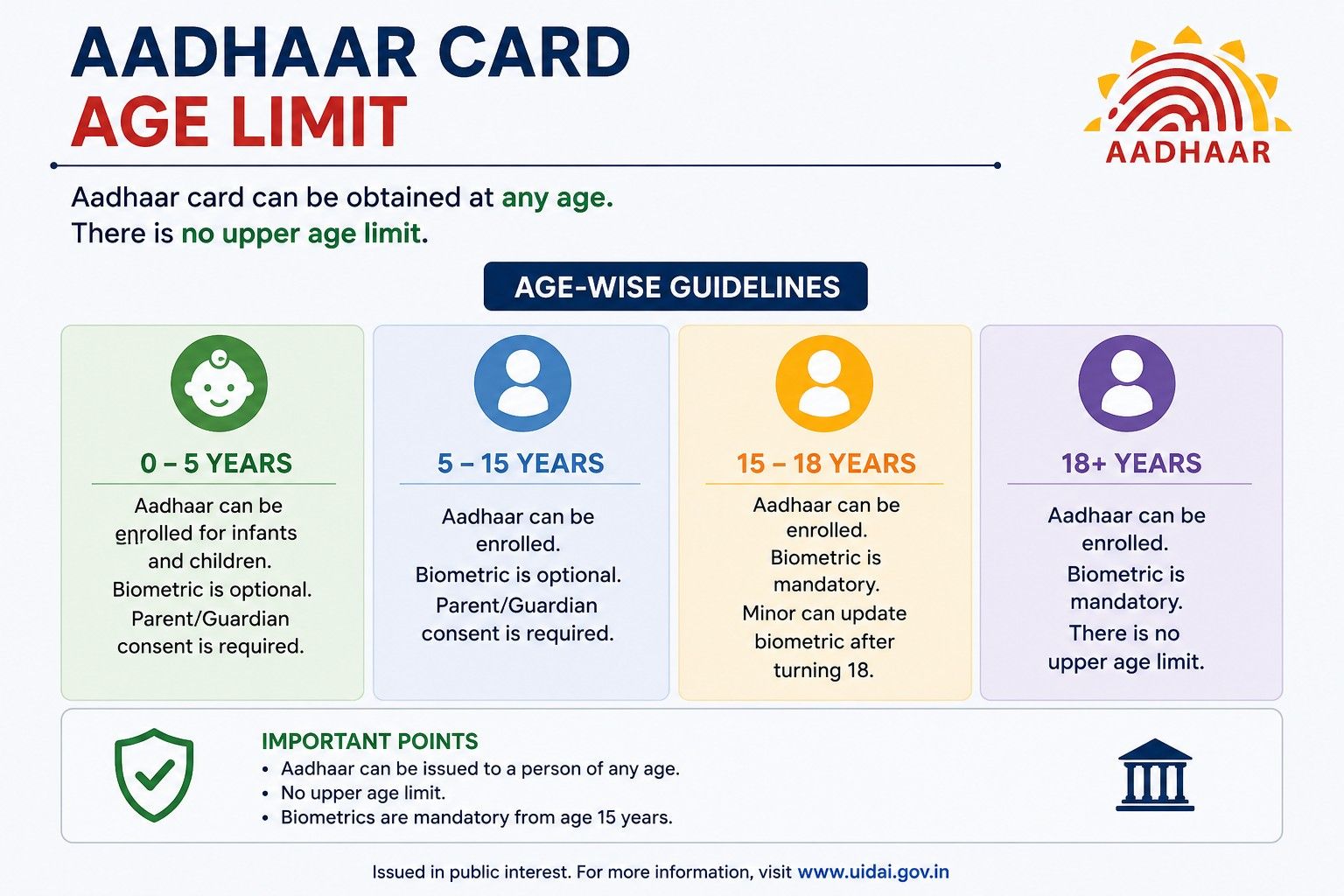
- Udyog Aadhar (now integrated with Udyam registrations) simplifies access to government support that can help MSMEs adopt greener practices.
- Use the MSME GREEN Checklist to prioritize low-cost, high-impact moves: energy, water, waste, and compliance.
- Practical tips, a short case scenario, and common mistakes are included to speed implementation.
Why environmental sustainability for MSMEs matters
MSMEs account for a large share of employment and industrial activity in many economies. Improving resource efficiency reduces operating costs, lowers regulatory risk, and unlocks access to finance and public incentives. Formal registration paths such as Udyog Aadhar historically helped micro, small and medium enterprises connect to official schemes; today those mechanisms are consolidated under the government’s MSME registration framework that links firms to capacity-building, credit, and technical support.
How Udyog Aadhar and MSME registration contribute to green outcomes
Udyog Aadhar registration, and its successor registrations, function as a gateway: registered units appear in government databases and become eligible for targeted programs from the Ministry of Micro, Small and Medium Enterprises, energy audits from the Bureau of Energy Efficiency, or pollution control guidance through state pollution control boards. Registration itself does not automatically make a firm sustainable, but it unlocks structured support, grants, and easier access to technical training.
Official support and standards
Registered MSMEs can be referred to schemes and resources from the Ministry of MSME and related bodies such as the Central Pollution Control Board (CPCB), Bureau of Energy Efficiency, and certification schemes like ISO 14001. For government facts and scheme lists, see the Ministry of MSME portal: msme.gov.in.
MSME GREEN Checklist (named framework)
This straightforward checklist gives a sequence to follow when planning sustainability improvements. Use it as a diagnostic and project roadmap.
- G—Gap assessment: Record energy, water and waste baselines and legal compliance gaps.
- R—Reduce: Identify low-cost efficiency measures (LED lighting, variable-speed drives).
- E—Engage: Train staff and nominate an environmental focal person.
- E—Execute: Implement pilot projects (e.g., waste segregation, rainwater harvesting).
- N—Network: Register with Udyog Aadhar/Udyam to access government programs and partner with local incubators.
Practical implementation: step-by-step actions
1. Register and map benefits
Complete Udyog Aadhar or the current MSME registration to ensure eligibility for grants, subsidized energy audits, and training. Map which government schemes apply to the firm’s sector and location.
2. Run a basic environmental audit
Measure electricity, fuel, and water use for one month. Identify the top 2-3 consumption areas where small investments yield large savings.
3. Pilot low-cost upgrades
Start with LED retrofits, variable-speed drives for motors, water-efficient fixtures, and simple waste segregation. Track savings to build a business case for larger investments.
Real-world example
A cluster of five small textile units in a secondary city registered through the MSME portal and accessed a subsidized energy audit offered by a state agency. The audit recommended replacing older looms with energy-efficient models and installing a shared effluent treatment system. Two years after implementation, the cluster reported a 22% reduction in electricity costs and lower regulatory inspection frequency because effluent discharges were brought into compliance.
Practical tips (3–5 actionable points)
- Start with data: even simple meter readings help prioritize actions.
- Use pilots: prove savings on one machine or process before scaling up.
- Leverage government links: registered MSMEs often get priority for training and technical support.
- Document improvements: records help with certifications and loan applications.
Trade-offs and common mistakes
Trade-offs to consider
Investments in cleaner technology may increase short-term capital costs while reducing operating expenses. Leasing or phased upgrades balance cash flow and long-term savings. Compliance improvements often require both technical work and process changes — neglecting employee training undermines technical upgrades.
Common mistakes
- Skipping baseline measurements and guessing savings.
- Buying upfront expensive systems without pilot validation.
- Assuming registration alone solves access problems; active follow-up is needed to enroll in schemes.
Core cluster questions
- How does Udyog Aadhar/Udyam registration improve access to energy-efficiency programs for MSMEs?
- What low-cost green practices deliver the fastest payback for small manufacturers?
- Which government agencies provide technical assistance for pollution control and resource efficiency?
- How can an MSME prioritize sustainability projects with limited capital?
- What documentation is required to qualify for MSME-targeted sustainability grants?
Key takeaways
Formal registration through Udyog Aadhar or the current MSME registration system is a practical first step for firms seeking structured support for environmental upgrades. Combining a simple checklist, baseline measurement, pilot projects, and active use of government programs creates a low-risk pathway to lower costs and better compliance.
FAQ: What is the role of Udyog Aadhar in environmental sustainability for MSMEs?
Udyog Aadhar, now integrated into the broader MSME registration ecosystem, functions mainly as an access point: it helps businesses become visible to government schemes, which can include subsidized energy audits, training, and technical support for pollution control and resource efficiency.
How can an MSME measure quick wins from green practices?
Measure baseline electricity, fuel and water for a representative period, implement one pilot intervention (e.g., LED lighting or a motor control retrofit), and compare pre/post consumption to quantify savings.
What are common funding or incentive options available after registration?
Registered MSMEs may be eligible for state and central schemes offering subsidized audits, concessional loans, or capital subsidies for cleaner technologies. Local industry associations and state MSME directorates often publish program lists and application steps.
How to avoid mistakes when planning sustainability upgrades?
Avoid common errors by starting with data, piloting solutions, documenting results, and training staff so that technical upgrades deliver the intended operational benefits.
Can international standards like ISO 14001 help MSMEs?
Standards such as ISO 14001 provide a structured environmental management approach, but smaller firms should balance certification costs with operational benefits; using the MSME GREEN Checklist first helps prioritize actions before pursuing formal certification.