UAS-B Launches New UG Program to Pioneer the Future of Sustainable Agriculture
-

- Published Updated
- 7,069 views
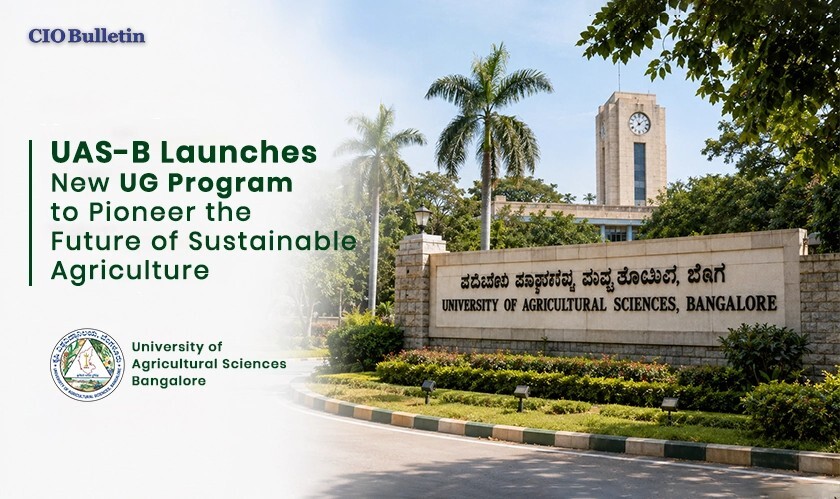
The agricultural sector is undergoing a significant transformation as climate change, resource scarcity, population growth, and technological advancements reshape the way food is produced worldwide. Against this backdrop, UAS-B launches new UG program aimed at preparing the next generation of agricultural professionals to address these emerging challenges through innovation, sustainability, and scientific expertise.
The announcement has generated considerable interest among educators, agricultural experts, students, policymakers, and industry stakeholders who recognize the growing importance of sustainable farming practices in ensuring long-term food security. According to CIO Bulletin, the newly introduced undergraduate program reflects a broader effort to align agricultural education with the evolving needs of modern farming systems and the global agricultural economy.
Agriculture has always played a critical role in economic development and societal well-being. However, today’s agricultural landscape is vastly different from what it was even a decade ago. Farmers are increasingly relying on advanced technologies such as artificial intelligence, precision agriculture, drones, satellite monitoring, data analytics, and automation to improve productivity while reducing environmental impact.
As these changes accelerate, educational institutions are under pressure to equip students with the skills needed to thrive in a technology-driven agricultural ecosystem. The launch of this new undergraduate program by UAS-B signals an important step toward bridging the gap between traditional agricultural knowledge and future-focused innovation.
The initiative comes at a time when sustainability is becoming one of the most important priorities within the global food production system. Governments, businesses, researchers, and consumers are all seeking solutions that can increase agricultural productivity while preserving natural resources, reducing emissions, and protecting biodiversity.
The newly launched program aims to address these priorities by providing students with a multidisciplinary educational experience that combines agricultural science, environmental stewardship, technological innovation, and practical field applications.
Preparing Future Agricultural Leaders Through Innovation and Sustainability
One of the most significant aspects of the new program is its emphasis on preparing students for the rapidly evolving demands of modern agriculture. Traditional farming methods continue to play an important role, but they are increasingly being supplemented by advanced technologies that improve efficiency, decision-making, and sustainability.
According to insights highlighted by CIO Bulletin, the undergraduate curriculum is expected to focus on a wide range of subjects including sustainable crop production, soil health management, climate-resilient agriculture, precision farming technologies, agribusiness management, digital agriculture, water conservation, and environmental sustainability.
This multidisciplinary approach reflects the reality that modern agricultural challenges require integrated solutions. Future agricultural professionals must understand not only how to grow crops but also how to leverage data, technology, environmental science, and business principles to create resilient farming systems.
The rise of climate-related challenges has made this educational focus particularly important. Farmers worldwide are dealing with unpredictable weather patterns, prolonged droughts, changing growing seasons, and increased pest pressures. Addressing these challenges requires innovative strategies supported by scientific research and technological advancement.
Students enrolled in the program are expected to gain exposure to emerging agricultural technologies that are reshaping the industry. Precision agriculture tools, for example, allow farmers to monitor field conditions in real time and make data-driven decisions that improve yields while reducing resource consumption. Technologies such as drones, remote sensing systems, and AI-powered analytics are becoming increasingly valuable components of modern farming operations.
The integration of sustainability principles throughout the curriculum is another key feature of the program. Sustainable agriculture seeks to balance productivity with environmental responsibility, ensuring that future generations can continue to benefit from healthy ecosystems and reliable food supplies. This approach is gaining widespread support as concerns about resource depletion and environmental degradation continue to grow.
Beyond technical knowledge, the program also aims to develop leadership and problem-solving skills among students. The agricultural sector requires professionals who can navigate complex challenges, collaborate across disciplines, and drive innovation within both public and private organizations.
Industry experts believe that educational initiatives like this will play a critical role in shaping the future workforce. As agriculture becomes increasingly sophisticated and technology-driven, demand for highly skilled professionals is expected to rise across various segments of the industry.
Why Sustainable Agriculture Education Is More Important Than Ever
The launch of the new undergraduate program by UAS-B highlights a broader recognition that education is a foundational component of sustainable agricultural development. The future of food production depends not only on technological breakthroughs but also on the availability of knowledgeable professionals capable of implementing and scaling innovative solutions.
Global population growth continues to increase pressure on agricultural systems. At the same time, climate change, water scarcity, and land degradation are creating additional obstacles to food production. These trends underscore the urgent need for educational programs that prepare students to address complex agricultural challenges through science-based approaches.
According to CIO Bulletin, sustainable agriculture is increasingly viewed as a strategic priority for governments and international organizations seeking to strengthen food security while protecting environmental resources. Educational institutions play an essential role in supporting these efforts by training future researchers, agronomists, policymakers, entrepreneurs, and agricultural leaders.
The growing adoption of digital technologies within agriculture further emphasizes the importance of specialized education. Modern farms generate vast amounts of data related to soil conditions, crop health, weather patterns, and resource usage. Professionals capable of analyzing and applying this information effectively can help improve productivity while reducing waste and environmental impact.
Agribusiness opportunities are also expanding as agricultural innovation creates new markets and business models. Students graduating from programs focused on sustainable agriculture may find career opportunities in areas such as agricultural technology, environmental consulting, food production, supply chain management, research and development, and rural development initiatives.
The emphasis on sustainability is particularly relevant as consumers become more conscious of how food is produced. Demand for environmentally responsible farming practices continues to grow, creating incentives for businesses and producers to adopt sustainable approaches. Educational programs that address these trends help ensure that future agricultural professionals are prepared to meet evolving market expectations.
Another important aspect of sustainable agriculture education is its potential to encourage entrepreneurship and innovation. Many of the most promising agricultural solutions emerge from creative thinking and interdisciplinary collaboration. By exposing students to emerging technologies and real-world challenges, programs like the one launched by UAS-B can help inspire the next generation of agricultural innovators.
The agricultural sector is increasingly interconnected with broader issues such as climate resilience, renewable energy, biodiversity conservation, and economic development. As a result, educational programs must prepare students to think beyond traditional disciplinary boundaries and consider the broader implications of their work.
Research and development are expected to play a major role in the future of agriculture, and educational institutions serve as important centers for scientific discovery and innovation. Students participating in advanced agricultural programs often contribute to research projects that help develop new farming methods, crop varieties, and sustainability strategies.
The launch of this new undergraduate program demonstrates a forward-looking commitment to addressing these evolving needs. By combining academic excellence with practical relevance, UAS-B is positioning itself as a contributor to the future of sustainable agricultural development.
As highlighted by CIO Bulletin, the initiative reflects a growing understanding that education is one of the most powerful tools available for advancing agricultural sustainability and innovation. The challenges facing global food systems are complex, but they also create opportunities for transformative solutions driven by knowledge, technology, and collaboration.
The future of agriculture will depend on individuals who can navigate uncertainty, embrace innovation, and develop sustainable solutions to pressing global challenges. Educational programs designed around these principles are becoming increasingly important as the industry continues to evolve.
The launch of the new undergraduate program by UAS-B represents more than just an academic offering. It symbolizes a commitment to preparing future leaders capable of shaping a more resilient, productive, and sustainable agricultural future.
Read the full published news here: https://ciobulletin.com/biotech/uas-b-launches-new-ug-program