Understanding Anxiety: Causes, Symptoms, and Coping Strategies
-
- February 23rd, 2026
- 1,732 views
An overview of understanding anxiety begins with recognizing how common anxious feelings are and how they can range from short-term stress reactions to persistent disorders. Understanding anxiety means learning the typical signs, common triggers, and sensible strategies that people and clinicians use to manage symptoms without making medical claims.
Anxiety includes normal worry and diagnosable anxiety disorders. Typical features include excessive worry, physical symptoms such as increased heart rate and muscle tension, and behavioral changes. Causes can be biological, psychological, and social. Evidence-based approaches include cognitive behavioral therapy (CBT), lifestyle adaptations, and, when appropriate, clinician-guided treatments. For authoritative background on anxiety disorders, see the National Institute of Mental Health.
Understanding anxiety
Anxiety is a natural response to perceived threat or uncertainty. For many people it is temporary and linked to life events. For others it becomes persistent and interferes with daily activities. Clinicians classify several anxiety disorders in diagnostic manuals such as the DSM-5, including generalized anxiety disorder (GAD), panic disorder, and social anxiety disorder.
Common symptoms
Symptoms vary by person but often include:
- Excessive worry or persistent apprehension
- Restlessness, irritability, or difficulty concentrating
- Sleep disturbances
- Physical signs such as rapid heartbeat, sweating, trembling, shortness of breath, or gastrointestinal upset
Types of anxiety
Common categories include:
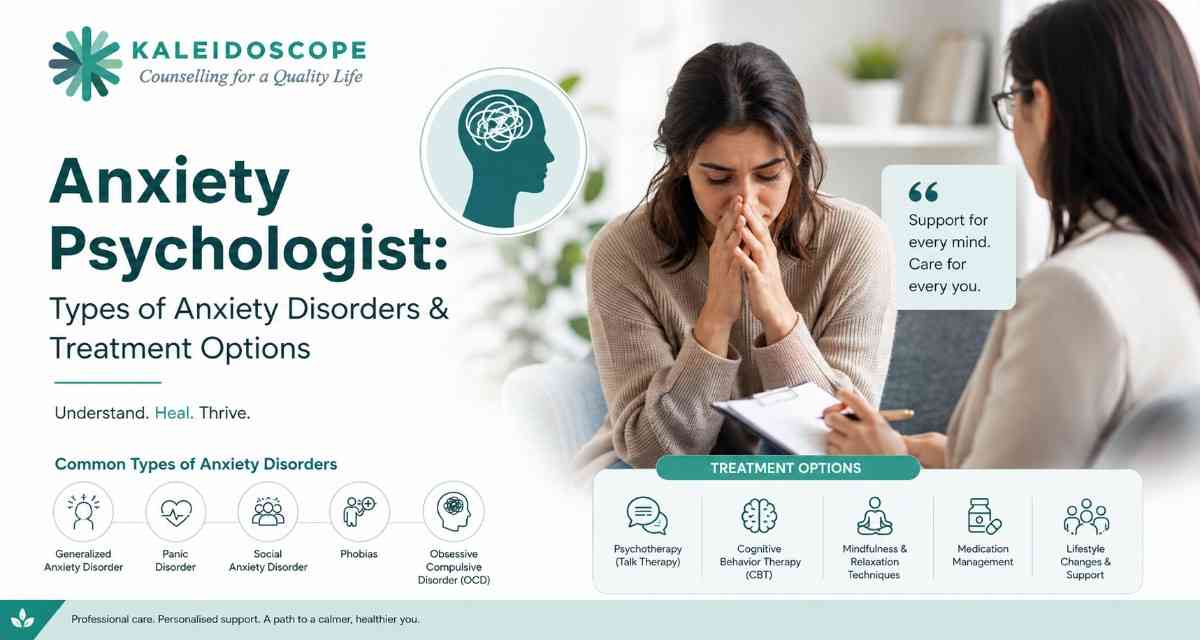
- Generalized anxiety disorder (GAD): persistent, excessive worry across multiple areas of life
- Panic disorder: sudden episodes of intense fear accompanied by physical symptoms (panic attacks)
- Social anxiety disorder: intense fear of social situations or negative evaluation
- Specific phobias: fear of specific objects or situations
Causes and biological factors
Anxiety emerges from a mix of biological, psychological, and environmental factors. Brain systems that process threat—such as the amygdala—can be more reactive in people with anxiety. Stress hormones like cortisol play a role in the body’s response to perceived danger. Genetics influence susceptibility, and adverse life events or chronic stress can increase risk.
How clinicians assess anxiety
Assessment typically includes a clinical interview, symptom history, and standardized questionnaires. Clinicians consider duration, severity, impact on daily life, and whether symptoms are better explained by medical conditions or substance use. Diagnostic criteria from the DSM-5 are commonly used in many healthcare systems.
Approaches to management and coping
Evidence-based psychotherapies
Cognitive behavioral therapy (CBT) is widely supported in clinical research for reducing anxiety symptoms. CBT involves identifying unhelpful thought patterns and testing them with behavioral experiments. Exposure therapy is effective for phobias and some anxiety disorders by gradually reducing avoidance of feared situations.
Self-help and lifestyle strategies
Simple, practical steps can reduce day-to-day anxiety:
- Regular physical activity and adequate sleep
- Mindfulness, relaxation techniques, and paced breathing to reduce physiological arousal
- Structured routines and breaking tasks into manageable steps
- Limiting caffeine and substances that can exacerbate anxiety
Medication and clinical care
Certain medications are used under clinician supervision for some anxiety disorders. Decisions about medication consider symptom severity, preferences, medical history, and potential side effects. Treatment plans are individualized and often combine therapy and lifestyle changes.
When to seek professional help
Consider professional evaluation if anxiety is persistent, causes significant distress, or interferes with work, relationships, or daily activities. Emergency care is appropriate for severe symptoms such as thoughts of harming oneself or others, or loss of control during panic episodes.
For reliable, up-to-date information from a national health authority, see the National Institute of Mental Health on anxiety disorders: NIMH — Anxiety Disorders.
Practical considerations and support
Talking about anxiety
Open conversations with trusted friends, family, or employers can reduce isolation and clarify accommodations. Support groups and peer networks provide shared experience and coping ideas.
Monitoring progress
Keeping a symptoms diary or using validated screening tools helps track changes over time and informs discussions with clinicians. Small, measurable goals support momentum in managing anxiety.
Research and public health context
Public health organizations and academic research continue to refine understanding of anxiety, its causes, and effective interventions. Guidelines from national health bodies and systematic reviews of clinical trials are useful sources for evidence-based recommendations.
FAQ
What does understanding anxiety involve?
Understanding anxiety involves recognizing common symptoms, learning about typical triggers and underlying biological mechanisms, and knowing evidence-based coping strategies and when to seek professional help. It also includes awareness of diagnostic categories used by clinicians, such as generalized anxiety disorder and panic disorder.
Can lifestyle changes reduce anxiety?
Yes. Regular exercise, sleep hygiene, reduced caffeine intake, and stress-management techniques like mindfulness and paced breathing can help lower baseline anxiety and improve resilience. These measures are often part of comprehensive care.
Are anxiety disorders the same as normal worry?
No. Normal worry is usually temporary and proportional to a situation. Anxiety disorders feature excessive, persistent worry or fear that interferes with daily functioning and meets clinical criteria for duration and impact.
How are anxiety disorders diagnosed?
Diagnosis typically requires a clinical assessment that considers symptom type, duration, severity, and functional impact. Standardized diagnostic criteria such as those in the DSM-5 guide clinicians, often alongside questionnaires and medical review.
When should someone seek immediate help?
Immediate help is warranted if there are thoughts of self-harm, severe panic with loss of functioning, or any situation where safety is a concern. For less acute but persistent problems, scheduling a visit with a primary care clinician or mental health professional is a recommended step.