West Sikkim Weather Explained: Monthly Conditions, Best Time to Visit, and Packing Checklist
-

- March 22nd, 2026
- 875 views

FREE SEO Topical Map Generator: Find Your Next Content Ideas
West Sikkim weather: an essential travel briefing
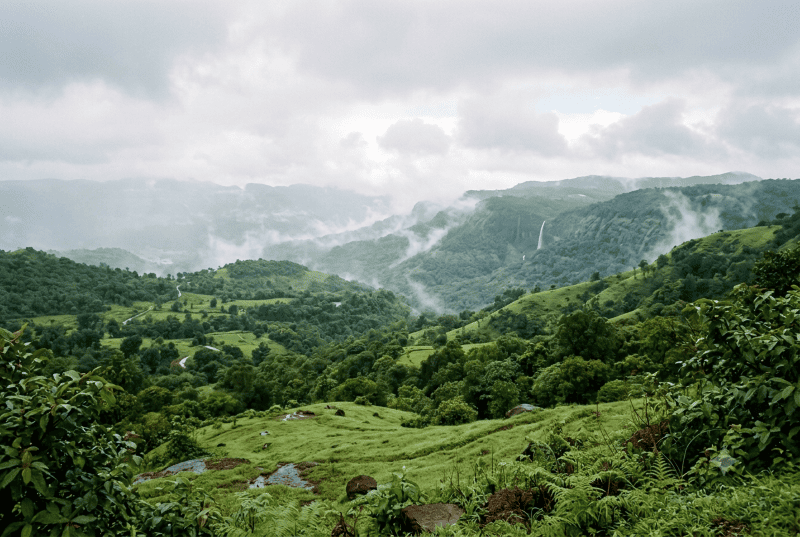
Planning a trip to West Sikkim starts with understanding West Sikkim weather — a mix of high-altitude alpine conditions, strong monsoon seasons, and rapid day-to-night temperature swings. This guide explains typical monthly patterns, practical packing and safety steps, and how to choose the best travel window for trekking, sightseeing, or a relaxed village stay.
- Climate: cool temperate to alpine; heavy monsoon June–September; cold and snowy at higher altitudes Nov–Mar.
- Best time to visit: late March–May (spring) and mid-September–November (post-monsoon) for clear roads and views.
- Pack: layered clothing, waterproof shell, sturdy shoes, sun protection, basic meds, and a flexible itinerary.
Detected intent: Informational
Typical seasonal breakdown for West Sikkim weather
Spring (March–May)
Spring brings warming days, melting snow at lower elevations, and blossoming rhododendrons. Lower valleys (Pelling, Yuksom) see daytime highs from 10–20°C while nights remain cool. This is a top window for trekking and scenic drives because visibility is good and rainfall is low.
Monsoon (June–September)
The monsoon delivers most annual precipitation. Heavy rain can cause landslides and road closures, especially on mountain passes. Trekking during peak monsoon is higher risk; plan extra days or avoid remote routes. This period should prompt checking local forecasts and road advisories.
Autumn (October–November)
Post-monsoon clears the skies; it is another excellent travel period with crisp air and stable weather. Temperatures begin to fall in November, particularly at night.
Winter (December–February)
Higher passes and villages often see snowfall. Road access may be limited; thermals and insulated gear are essential. Lower-altitude cultural sites remain visitable but expect daytime highs close to 5–10°C and freezing nights in exposed spots.
How to read local forecasts and microclimates
Altitude-driven differences
West Sikkim spans valley floors to alpine ridges. Microclimates mean Pelling can be mild while nearby passes are snowy. Weather models often struggle with rapid altitude changes — check forecasts for specific elevation bands and verify with local sources.
Reliable sources and advisories
Use national meteorological services for broad forecasts and local state transport or park authorities for road and trail conditions. For official precipitation and warnings, consult the India Meteorological Department: mausam.imd.gov.in.
Trip planning framework: PACK-PLAN-PAUSE
Follow the PACK-PLAN-PAUSE framework for safer, smoother travel:
- Prepare clothing layers (base, insulating, shell).
- Allow contingency days for weather delays.
- Check local forecasts and road reports daily.
- Kit safety and first-aid tailored for altitude and cold.
- PLAN routes with lower-elevation alternates.
- PAUSE decisions when conditions worsen—avoid risky passes in heavy rain or snow.
Packing checklist and precautions
Sikkim Weather Travel Checklist
- Layered clothing (thermal base, fleece, down or synthetic insulated jacket).
- Waterproof shell and quick-dry inner layers.
- Sturdy hiking shoes with grip; gaiters if trekking in wet snow.
- Sun protection: broad-spectrum SPF, sunglasses with UV protection, hat.
- Medication for common altitude and cold symptoms, personal first-aid kit.
- Portable power bank, waterproof dry bags for electronics.
Common mistakes and trade-offs
Common mistakes include packing only for daytime warmth (underestimating night cold), ignoring monsoon-related road risks, and scheduling back-to-back remote treks without buffer days. Trade-offs are often between carrying light luggage and having adequate contingency gear: prioritize compact, high-insulation items over bulky single-purpose clothing.
Practical tips for travelers
- Check short-range forecasts 48–72 hours before each leg and confirm road status with local transport offices.
- Build at least one flexible day into any trekking itinerary to allow for weather delays.
- Choose accommodations that accept late arrivals; heating availability can vary widely.
- Acclimatize gradually when ascending—avoid rapid elevation gains and hydrate well.
- Carry local cash and a paper map; network coverage can be patchy in valleys and passes.
Real-world scenario: a 5-day October trek near Pelling
Scenario: A mid-level hiker plans a 5-day loop from Yuksom to a ridge viewpoint in late October. Expect clear mornings, cool days (10–16°C), and chilly nights near 0–4°C. Use the PACK-PLAN-PAUSE framework: schedule a buffer day for weather, pack a 600–800 fill down jacket, waterproof shell, and microspikes for icy patches. Confirm trail permits and check a local forecast the night before departure.
Core cluster questions
- How does precipitation vary across West Sikkim by month?
- What clothing is best for a West Sikkim trekking trip?
- Which months offer the clearest mountain views in West Sikkim?
- How to prepare for landslides and road closures in Sikkim?
- What health precautions are needed for high-altitude stays in West Sikkim?
Useful caveats and final checklist
Weather in mountain regions is inherently variable. Prioritize safety and flexibility over a rigid schedule, and check both national meteorological advisories and local sources. Carry compact emergency gear and a simple contingency plan for each travel day.
What is the West Sikkim weather like throughout the year?
West Sikkim weather ranges from cool-temperate in valleys to alpine conditions at higher elevations. Winters bring snow and restricted access at high altitudes; monsoon months are wet and risky for road travel; spring and autumn provide the most reliable windows for clear skies and comfortable trekking.
When is the best time to visit West Sikkim for views and trekking?
Late March–May and mid-September–November are the best windows for clear views and stable trails. Those seeking rhododendron blooms should prioritize April–May.
How much does temperature vary between day and night in West Sikkim?
Day–night swings can be large, often 8–15°C depending on elevation. Even warm afternoons can drop to near-freezing at night in exposed areas.
Are monsoon months unsafe for travel in West Sikkim?
Monsoon travel is higher risk because of heavy rain, landslides, and roadblocks. Travel can still be possible in lower valleys with flexible planning, but remote treks should generally be avoided during peak monsoon months (June–September).
How should travelers prepare for sudden weather changes?
Pack layered insulation and a waterproof shell, allow contingency days, and confirm local road and weather reports daily. Keep emergency contacts and a basic first-aid kit accessible.