Unity Game Development Company: Complete Guide to Unity Game Development Services
-

- Published Updated
- 51 views
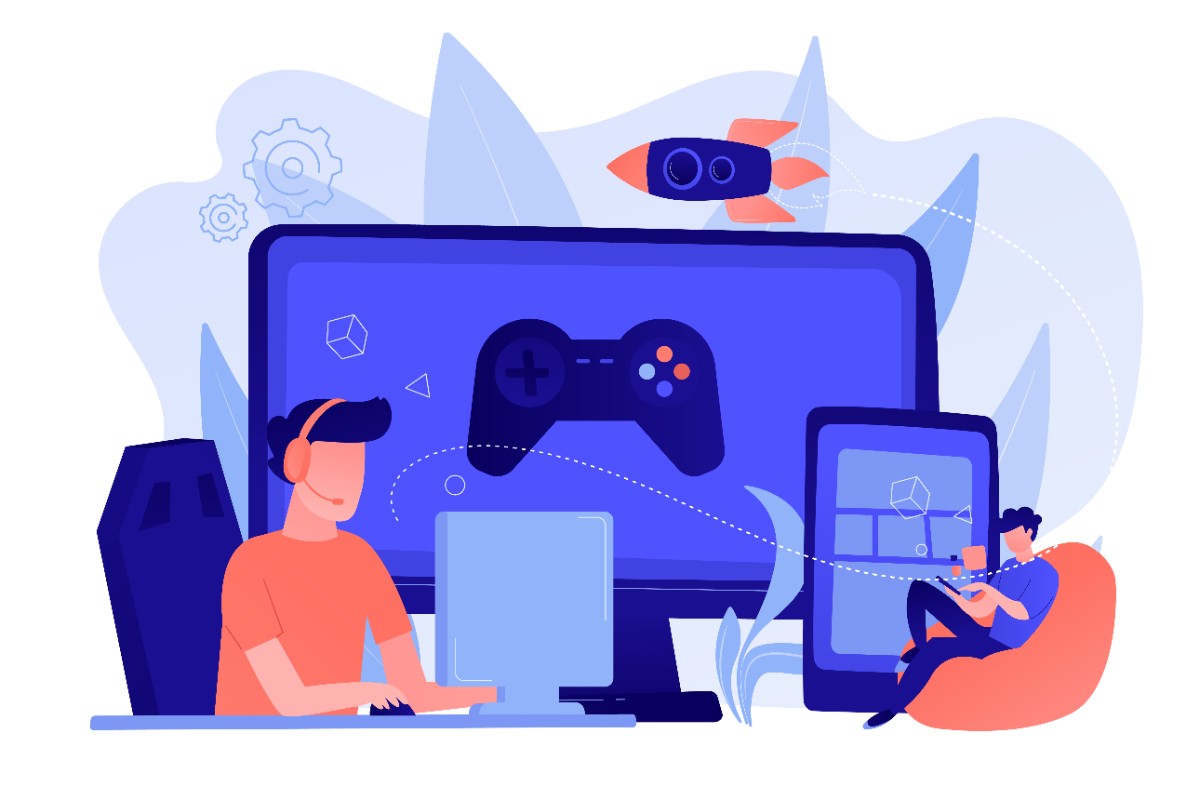
The gaming industry has expanded across mobile devices, PCs, consoles, web platforms, and immersive technologies. As developers look for tools that can support different game genres and platforms, Unity has become a widely used real-time development platform for creating interactive 2D and 3D experiences.
A professional Unity Game Development Company helps businesses, game studios, startups, and entrepreneurs turn game concepts into functional digital experiences. From game design and development to multiplayer integration, optimization, testing, and deployment, Unity development can cover the complete game production lifecycle.
With Unity, developers can create games for platforms including mobile, desktop, consoles, web, and XR devices. Unity's documentation also highlights support for C# scripting, 2D and 3D workflows, physics, animation, UI, visual scripting, and multiplayer development.
What Is Unity Game Development?
Unity Game Development is the process of designing and building games using the Unity real-time development platform.
Unity supports both 2D and 3D game development, allowing developers to work on different genres and visual styles. Its development environment uses GameObjects and components, while C# is the primary scripting language used for programming gameplay and application logic.
Unity can be used to develop:
Mobile games
2D games
3D games
Multiplayer games
Casual games
Hyper-casual games
Simulation games
Strategy games
Racing games
Adventure games
AR/VR games
Educational games
Interactive experiences
The development approach depends on the game's concept, target audience, platforms, graphics requirements, and monetization model.
What Does a Unity Game Development Company Do?
A Unity Game Development Company provides technical and creative expertise for building games using the Unity platform.
Depending on the project, a development company can handle:
Game concept development
Game design
UI/UX design
2D game development
3D game development
Character development
Animation
Gameplay programming
Multiplayer development
AR/VR development
Game optimization
Testing
Monetization integration
Deployment
Post-launch support
A full-service team can bring designers, developers, artists, animators, testers, and technical specialists together within a single development workflow.
Unity Game Development Services
A professional Unity Game Development Company can provide different services depending on the project's requirements.
1. Unity 2D Game Development
Unity provides dedicated workflows for creating 2D games, making it suitable for games that use sprites, 2D environments, animation, physics, and interactive UI.
2D game development services can include:
2D game design
Sprite development
Character animation
Level design
2D physics
UI development
Gameplay programming
Audio integration
Performance optimization
2D games can be developed for mobile, desktop, web, and other supported platforms.
2. Unity 3D Game Development
3D game development involves creating interactive environments, characters, objects, animations, lighting, physics, and gameplay systems.
A Unity 3D development project may include:
3D character modeling
Environment design
Lighting
3D animation
Physics
Camera systems
Gameplay mechanics
Audio
UI systems
Performance optimization
Unity provides tools for real-time lighting, rendering, animation, physics, and interactive experiences.
3. Mobile Game Development
Mobile gaming remains an important part of the gaming ecosystem. Unity can be used to create games for mobile platforms such as Android and iOS.
Unity Game Development Services for mobile can include:
Android game development
iOS game development
Touch controls
Mobile UI
In-app purchases
Advertising integration
Analytics
Performance optimization
Mobile device testing
Developers can optimize graphics, memory usage, loading times, and controls according to the target devices.
4. Multiplayer Game Development
Multiplayer functionality allows players to interact with one another within the same game environment.
Unity provides multiplayer-related tools and services that can support features such as multiplayer sessions and matchmaking.
Multiplayer development services may include:
Real-time multiplayer
Player matchmaking
Multiplayer lobbies
Player authentication
Game sessions
Leaderboards
Friends and social features
Voice and text communication
Multiplayer backend integration
The architecture depends on factors such as player count, synchronization requirements, latency, and game genre.
5. Unity AR/VR Game Development
Unity can be used to create immersive experiences for augmented reality and virtual reality devices.
AR/VR development can include:
Virtual environments
Interactive objects
Hand and controller interactions
Spatial experiences
3D UI
VR gameplay
AR interactions
Device-specific optimization
Unity also supports development for XR platforms and devices such as Meta Quest and Apple Vision Pro.
6. Unity Game UI/UX Development
A good game requires an interface that players can understand quickly.
Unity UI/UX services can include:
Main menus
Game HUDs
Inventory screens
Settings
Character interfaces
Scoreboards
Progress indicators
In-game notifications
Touch interfaces
The interface should be designed around the game's genre, target device, and player experience.
7. Unity Game Animation
Animation brings characters, objects, and environments to life.
Animation services can include:
Character animation
Object animation
Facial animation
Gameplay animations
Cutscenes
Environmental animation
Particle effects
Visual effects
Animation can be combined with gameplay programming to create responsive player interactions.
8. Unity Game Backend Development
Many modern games require backend infrastructure to manage player accounts, progress, multiplayer functionality, purchases, inventories, and other data.
Backend-related Unity services may include:
Player authentication
Cloud data storage
Game logic
Player profiles
Leaderboards
Matchmaking
Inventory systems
Game analytics
Unity's services ecosystem includes authentication, Cloud Code, Cloud Save, Economy, Lobby, Matchmaker, and related tools.
9. Unity Game Monetization
Game monetization can be implemented through different models depending on the type of game and target audience.
Possible monetization features include:
In-app purchases
Subscriptions
Advertising
Premium game purchases
Digital items
Battle passes
Virtual currencies
Unity provides tools and services for in-app purchasing and advertising as part of its broader game development ecosystem.
10. Unity Game Porting
Game porting involves adapting an existing game for another platform.
A game originally created for mobile, for example, may require significant changes before being released on PC or console.
Porting services can include:
Platform adaptation
Input control changes
UI adjustments
Graphics optimization
Performance testing
Platform-specific integration
Certification preparation
Unity supports deployment across multiple platforms, including desktop, mobile, consoles, web, and XR devices.
Popular Game Genres Developed With Unity
Unity's flexible development environment can support a wide variety of game genres.
Action Games
Action games can combine real-time combat, movement, animation, physics, and interactive environments.
Adventure Games
Adventure games can use storytelling, exploration, puzzles, characters, and interactive environments.
Racing Games
Unity can support vehicle physics, tracks, multiplayer systems, AI opponents, and realistic or stylized environments.
Strategy Games
Strategy games can include resource management, player progression, AI systems, maps, and complex game logic.
Simulation Games
Simulation projects can recreate real-world or fictional systems for entertainment, training, or education.
Casual Games
Casual games generally focus on accessible controls, short gameplay sessions, and simple mechanics.
Educational Games
Unity can also be used for interactive educational experiences that combine gameplay with learning content.
Key Features of Unity Game Development
Unity provides a broad collection of tools for building interactive experiences.
Real-Time 3D Development
Unity provides tools for developing real-time 3D environments, graphics, physics, lighting, and interactions.
Cross-Platform Development
Games can be prepared for multiple target platforms from a shared development environment, subject to platform-specific requirements.
C# Programming
Unity uses C# for scripting gameplay logic and application functionality.
Physics
Physics systems can be used for collisions, movement, objects, vehicles, and other gameplay mechanics.
Animation
Developers can create and control character, object, and environmental animations.
Visual Scripting
Visual scripting can help teams create gameplay logic using a node-based workflow.
Multiplayer
Unity provides tools and services for multiplayer game development, including lobby and matchmaking capabilities.
LiveOps
LiveOps tools can help developers manage ongoing content, player engagement, analytics, and game updates after launch.
Unity Game Development Process
A structured development process can help transform an initial idea into a playable product.
Step 1: Game Concept
The development team defines the game's concept, genre, target audience, core gameplay, and platform requirements.
Step 2: Game Design
The team develops the game design document, gameplay mechanics, characters, levels, progression system, and user experience.
Step 3: UI/UX and Art Direction
Visual concepts, interfaces, environments, characters, animations, and other assets are planned.
Step 4: Prototype Development
A playable prototype is created to test the core mechanics and identify potential issues early.
Step 5: Unity Game Development
Developers build gameplay systems, environments, UI, character mechanics, physics, audio, and other required features.
Step 6: Backend and Integration
If required, multiplayer systems, authentication, cloud services, analytics, payments, advertisements, or other integrations are added.
Step 7: Testing
The game is tested across supported devices and platforms.
Testing may cover:
Gameplay
Performance
Controls
Graphics
Audio
Multiplayer
Security
Device compatibility
Step 8: Optimization
Developers optimize memory usage, loading times, rendering performance, network performance, and other technical areas.
Step 9: Deployment
The completed game is prepared for the selected stores, platforms, or distribution channels.
Step 10: Post-Launch Support
After launch, the development team can provide bug fixes, updates, new content, optimization, and LiveOps support.
Benefits of Unity Game Development
Multi-Platform Reach
Unity supports development for a broad range of platforms, allowing studios to target different device ecosystems.
Flexible Game Development
Unity supports different genres, visual styles, and development approaches.
Reusable Development Workflow
GameObjects, components, prefabs, assets, and development tools can help teams organize and reuse project elements.
Multiplayer Capabilities
Unity's multiplayer tools and services can support online game experiences and player interactions.
Strong Development Ecosystem
Unity provides documentation, learning resources, asset tools, services, and development resources for game creators.
Support for Live Games
Services such as analytics, cloud save, authentication, economy, and LiveOps can support games beyond the initial development phase.
Factors Affecting Unity Game Development Cost
The cost of developing a Unity game varies significantly depending on the project.
Important factors include:
Game genre
2D or 3D requirements
Number of game levels
Character complexity
Animation requirements
Multiplayer functionality
Backend requirements
AR/VR integration
Platform targets
UI/UX complexity
Art and asset requirements
Game monetization
Testing requirements
Post-launch support
A simple 2D mobile game and a large multiplayer 3D game require very different development resources.
How to Choose a Unity Game Development Company
Choosing a development partner requires more than looking at the number of projects completed.
Review the Portfolio
Look for previous Unity projects that demonstrate relevant technical and creative capabilities.
Check Technical Expertise
Consider experience with Unity, C#, multiplayer systems, backend integration, optimization, and platform deployment.
Evaluate Art and Design Capabilities
For visually demanding games, review the team's 2D/3D art, animation, UI, and environment design work.
Understand the Development Process
A professional team should have a clear process covering planning, prototyping, development, testing, deployment, and support.
Consider Scalability
The architecture should be able to accommodate future features, content updates, additional platforms, or growing player requirements.
Ask About Post-Launch Support
Games often require updates after launch, so maintenance and LiveOps capabilities can be important.
Why Choose Infograins for Unity Game Development?
Infograins provides software and game development solutions for businesses exploring interactive digital experiences.
A Unity development project can bring together game design, programming, UI/UX, 2D/3D assets, animation, backend systems, multiplayer functionality, and platform deployment.
Infograins can help businesses approach Unity projects with a customized development strategy based on the game's genre, target audience, technical requirements, and intended platforms.
Future of Unity Game Development
Game development continues to expand beyond traditional mobile and desktop gaming.
Future Unity projects are likely to explore areas such as:
Multiplayer experiences
AR and VR games
Real-time 3D applications
Cloud-connected games
AI-assisted game development
Cross-platform gaming
Interactive simulations
Virtual experiences
Live game ecosystems
Unity is also positioned beyond conventional games, with applications across industries such as training, product visualization, simulation, and other real-time 3D experiences.
FAQs About Unity Game Development
What is a Unity Game Development Company?
A Unity Game Development Company specializes in creating games and interactive experiences using the Unity development platform.
What are Unity Game Development Services?
Unity Game Development Services can include game design, 2D and 3D development, mobile games, multiplayer development, AR/VR development, animation, UI/UX, game porting, testing, optimization, monetization, and post-launch support.
Can Unity be used for both 2D and 3D games?
Yes. Unity supports both 2D and 3D development workflows.
Can Unity games be developed for multiple platforms?
Yes. Unity supports development for multiple platforms, including mobile, desktop, web, consoles, and XR devices, although each platform has its own technical and publishing requirements.
How much does Unity game development cost?
There is no fixed price. The cost depends on the game's complexity, platform requirements, graphics, gameplay systems, multiplayer features, backend, integrations, and testing requirements.
Can Unity be used for multiplayer games?
Yes. Unity provides multiplayer-related tools and services for creating online multiplayer experiences.
Conclusion
Unity provides a flexible environment for creating games and interactive experiences across multiple platforms. Its capabilities cover 2D and 3D development, gameplay programming, animation, physics, multiplayer, UI, backend services, monetization, and LiveOps.
A professional Unity Game Development Company can help transform a game concept into a complete digital product through design, development, testing, optimization, and deployment.
By choosing the right Unity Game Development Services, businesses and game studios can build customized gaming experiences based on their genre, target audience, technical requirements, and selected platforms.