Should You Buy a Used Ebike or a New One? A Complete Buying Guide
-

- Published Updated
- 68 views
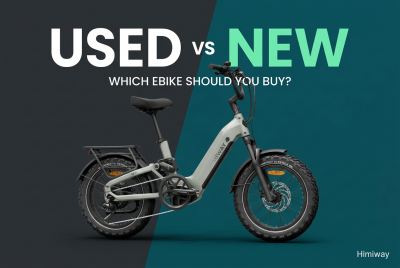
Electric bikes have become increasingly popular for commuting, outdoor adventures, and everyday transportation. However, with new models often costing hundreds or thousands of dollars, many buyers face an important question: Should you buy a used ebike or invest in a brand-new one?
Both options have advantages. A used electric bike can save you money upfront, while a new ebike typically offers better battery reliability, updated technology, and manufacturer warranty protection.
In this guide, we'll compare used and new electric bikes, explore their hidden costs, and help you decide which option offers the best long-term value.
1. Used vs. New Ebikes: What's the Difference?
The biggest difference between buying a used ebike and a new one is the balance between initial cost and long-term reliability.
Feature |
Used Ebike |
New Ebike |
|---|---|---|
Purchase Price |
Lower |
Higher |
Battery Condition |
Depends on age and usage |
New battery |
Warranty |
Often expired or limited |
Manufacturer warranty |
Technology |
May be outdated |
Latest available features |
Maintenance |
Potentially higher |
Generally lower initially |
Reliability |
Depends on previous owner |
More predictable |
Customization |
Limited to existing setup |
More model and configuration choices |
Resale Value |
Lower purchase price reduces depreciation exposure |
Greater initial depreciation |
A used ebike may look like a bargain, but its actual value depends on battery health, maintenance history, and overall condition.
Meanwhile, a new electric bike offers a more predictable ownership experience, especially for first-time buyers.
2. Advantages of Buying a Used Ebike
Lower Upfront Cost
The most obvious advantage of buying a used electric bike is affordability.
Depending on the brand, model, condition, and local market, a used ebike may cost significantly less than its original retail price.
For example, an electric bike originally priced at $2,000 might sell for $900–$1,400 after several years of ownership.
This makes used ebikes attractive to buyers with limited budgets.
Less Depreciation
Like cars, electric bikes generally lose value after purchase.
When you buy a used ebike, the previous owner has already absorbed some of that depreciation.
If you maintain the bike properly, you may be able to resell it later without losing as much money as you would on a new model.
Access to Higher-End Models
Buying used may allow you to afford an electric bike with features that would otherwise exceed your budget.
For example, you might find a secondhand model with hydraulic disc brakes, full suspension, or a premium motor system for the price of a basic new ebike.
However, these benefits only make sense if the components are in good working condition.
3. Disadvantages of Buying a Used Ebike
Battery Degradation
The battery is one of the most expensive components of an electric bike.
Most lithium-ion ebike batteries gradually lose capacity as they age and undergo charging cycles. Many are designed to retain approximately 70–80% of their original capacity after several hundred full charging cycles, although actual performance varies.
A used ebike advertised with a 60-mile range may deliver significantly less if its battery has deteriorated.
Replacing an ebike battery can cost several hundred dollars or more, depending on the model.
Before purchasing a used ebike, ask about battery age, charging habits, storage conditions, and whether a battery health report is available.
Hidden Mechanical Problems
A secondhand electric bike may have problems that are difficult to identify during a quick inspection.
Common issues include worn brake pads, damaged motor bearings, loose electrical connections, drivetrain wear, and suspension problems.
Even a relatively inexpensive repair can reduce the savings from buying used.
Limited Warranty Protection
Many electric bike warranties apply only to the original purchaser.
If you buy a secondhand ebike, you may not receive warranty coverage for the motor, battery, or electronics.
Always verify whether the manufacturer's warranty is transferable before making a purchase.
4. Advantages of Buying a New Ebike
Although new electric bikes require a larger initial investment, they offer several important benefits.
New Battery and Predictable Range
A new ebike comes with a fresh battery, giving you access to its intended capacity under appropriate riding conditions.
This is especially important for riders who commute long distances or regularly travel through areas without convenient charging opportunities.
Updated Technology
Modern electric bikes may include advanced features such as torque sensors, hydraulic disc brakes, improved displays, integrated lighting, and refined pedal-assist systems.
These improvements can make everyday riding smoother, safer, and more enjoyable.
Manufacturer Warranty and Customer Support
Buying a new electric bike from an established manufacturer usually provides warranty coverage and access to customer support.
This can be particularly valuable when dealing with battery, motor, or electronic system problems.
Better Fit for Your Riding Needs
When purchasing new, you can select the frame size, riding style, battery capacity, and features that match your requirements.
Instead of choosing from whatever is available on the secondhand market, you can find an ebike designed specifically for commuting, recreational riding, or outdoor adventures.
5. Recommended New Ebike: Himiway D5 2.0 20"
If you're considering buying a new electric bike instead of a used one, the Himiway D5 2.0 20-inch Full Suspension Ebike is worth exploring.
This model combines a powerful motor, full suspension, and a compact fat-tire design, making it suitable for riders who want versatility and comfort.
Key Features
Specification |
Himiway D5 2.0 20" |
|---|---|
Motor |
750W |
Torque |
90 Nm |
Battery |
48V 15Ah |
Maximum Advertised Range |
Up to 70 miles with pedal assist |
Suspension |
Full suspension |
Payload Capacity |
440 lbs |
Wheel Size |
20 inches |
Riding Modes |
Class 1, 2, and 3 configurations |
Why Consider the Himiway D5 2.0 20"?
Powerful Performance: Its 750W motor delivers up to 90 Nm of torque, helping riders tackle hills, uneven roads, and recreational trails.
Comfortable Riding Experience: The full-suspension system helps absorb bumps and vibrations, making it a practical choice for riders who prioritize comfort.
Long-Range Capability: With an advertised pedal-assist range of up to 70 miles under favorable conditions, the bike is suitable for longer recreational rides and daily transportation. Actual range depends on terrain, rider weight, speed, and assistance level.
High Payload Capacity: The 440-lb maximum payload makes it appealing to heavier riders or people who need to carry additional equipment.
Compact Fat-Tire Design: Its 20-inch wheels and wide tires provide a distinctive combination of maneuverability, traction, and stability.
For someone comparing an older secondhand fat-tire ebike with a modern new model, the Himiway D5 2.0 20" offers a compelling combination of performance and practical features.
6. How Much Does a Used Ebike Really Cost?
The purchase price is only part of the total ownership cost.
Imagine you're comparing a used electric bike priced at $900 with a new model priced at $1,800.
Here is a hypothetical three-year cost comparison:
Expense |
Used Ebike |
New Ebike |
|---|---|---|
Purchase Price |
$900 |
$1,800 |
Battery Replacement |
$500 |
$0 |
Maintenance and Repairs |
$350 |
$150 |
Total Estimated Cost |
$1,750 |
$1,950 |
In this example, the used electric bike saves only $200 over three years.
These figures are illustrative, not predictions. A well-maintained used ebike might need no battery replacement, while a new ebike can also require repairs.
The key takeaway is simple: Always compare the total cost of ownership rather than focusing only on the purchase price.
7. What Should You Check Before Buying a Used Ebike?
If you decide to purchase a secondhand electric bike, inspect it carefully before handing over your money.
Here are the most important things to check:
Battery Health: Ask about battery age, charging cycles, storage conditions, and remaining capacity.
Motor Performance: Test the motor at different assistance levels and listen for unusual noises.
Braking System: Check brake pads, rotors, and stopping performance.
Frame Condition: Look for cracks, dents, corrosion, or evidence of previous accidents.
Display and Electronics: Confirm that the display, lights, throttle, and pedal-assist functions operate correctly.
Mileage: Check the odometer, while remembering that mileage alone does not determine condition.
Service History: Request maintenance records and information about replaced components.
Battery Replacement Availability: Confirm that a compatible replacement battery is still available.
Ownership Verification: Ask for the original receipt and check the serial number to reduce the risk of buying a stolen bike.
Test Ride: Ride the bike on flat roads and gentle hills to evaluate its performance.
For an expensive used ebike, consider having a qualified electric bike technician inspect it before purchase.
8. Is Christmas a Good Time to Buy a New Ebike?
The holiday shopping season can be an excellent opportunity to compare electric bike prices.
Many retailers introduce seasonal promotions, bundle offers, and discounts around Black Friday, Cyber Monday, and Christmas.
If you're searching for an ebike christmas gift, buying new may be particularly appealing because the recipient receives a fresh battery, manufacturer support, and a bike without an unknown maintenance history.
Models such as the Himiway D5 2.0 20" may be worth comparing during holiday promotions, especially for someone interested in a powerful fat-tire electric bike.
However, don't assume every holiday discount is the best available deal. Compare the current price against the model's normal selling price, check shipping costs, and review warranty terms before purchasing.
A quality electric bike can be a memorable Christmas gift for adults who enjoy outdoor activities, commuting, or exploring new destinations.
9. Who Should Buy a Used Ebike?
A used electric bike can be a sensible choice for riders who have a limited budget, understand basic bike maintenance, and can evaluate battery condition.
It may also work well for occasional recreational riding or for someone who wants to experiment with electric cycling before making a larger investment.
The best used ebikes are typically those with documented maintenance histories, healthy batteries, readily available replacement parts, and fair asking prices.
10. Who Should Buy a New Ebike?
A new electric bike is often the better option for first-time ebike buyers, daily commuters, long-distance riders, and anyone who values reliability and warranty protection.
Buying new is also attractive when you need particular specifications, such as a high payload capacity, powerful motor, or full-suspension frame.
For example, the Himiway D5 2.0 20" can be a practical choice for riders who want a versatile electric bike without inheriting another owner's battery wear or mechanical problems.
Although the initial cost may be higher, reduced uncertainty and manufacturer support can make the investment worthwhile.
11. Frequently Asked Questions
Is buying a used ebike worth it?
Yes, buying a used ebike can be worthwhile if the battery is healthy, the mechanical components are in good condition, and the price reflects its age and mileage. However, potential repair costs should be included in your budget.
How many years does an ebike battery last?
Many lithium-ion ebike batteries last approximately three to five years, although actual lifespan depends on usage, charging habits, temperature, and storage conditions.
Is a new ebike safer than a used one?
Not necessarily. A properly maintained used ebike can be safe. However, a new ebike generally offers a more predictable component history and may include newer safety features. Braking performance, battery condition, and overall maintenance matter more than age alone.
How much should you pay for a used electric bike?
The appropriate price depends on the original cost, age, condition, brand, battery health, and availability of replacement parts. Compare similar listings and factor in any immediate repairs before making an offer.
Should beginners buy a new or used ebike?
Beginners may benefit from buying new because they receive warranty coverage, customer support, and a bike with a known maintenance history. A professionally inspected used ebike can still be a good budget-friendly alternative.