A Day on the Valley of Flowers Trek: What Trekkers Can Expect
-

- Published Updated
- 31 views

The Valley of flower trek is one of the most scenic Himalayan adventures in Uttarakhand. Unlike a trek focused only on reaching a summit, this journey is about experiencing changing landscapes, alpine flowers, mountain streams, forests, and peaceful Himalayan surroundings. The Valley of Flowers National Park is a UNESCO World Heritage Site and is home to hundreds of flowering plant species. Flowering is generally at its strongest between July and September.
So, what does a typical day on the trail actually look like? From an early morning start in Ghangaria to hours of walking through the valley and returning before evening, each part of the day offers something different.
Starting the Day in Ghangaria
A trekking day usually begins early in Ghangaria, the main base for exploring the Valley of Flowers. Trekkers have breakfast, fill their water bottles, prepare their daypacks, and check their essentials before starting the walk.
Morning is often a peaceful time in the mountains. The cool air, surrounding forests, and distant peaks create a completely different atmosphere from everyday city life.
The Trail Towards the Valley
The route from Ghangaria takes trekkers through forested sections and gradually toward the open landscapes of the Valley of Flowers. The trail includes natural streams, waterfalls, rocky sections, and gradual climbs.
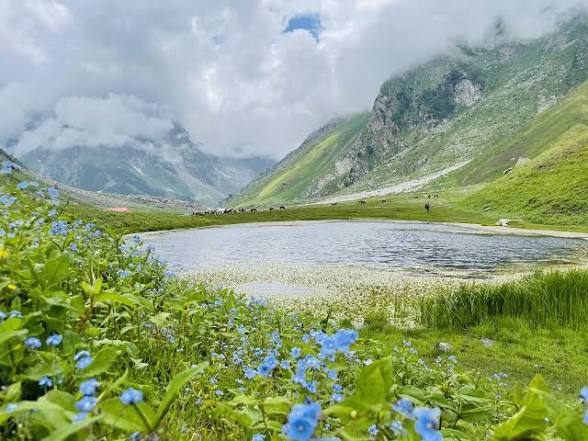
As you move higher, the landscape becomes more open and colourful. During the flowering season, different varieties of alpine flowers can be seen along the route. Uttarakhand Tourism records more than 600 species in the national park, including orchids, poppies, primulas, marigolds, daisies, and anemones.
Entering the Valley of Flowers
Reaching the valley is usually the highlight of the day. Instead of a single viewpoint, trekkers experience a large natural landscape surrounded by Himalayan mountains.
The valley sits at around 3,600 metres and features alpine meadows, streams, waterfalls, and mountain scenery.
This is where the Valley of flower trek feels completely different from many other Himalayan Treks. The focus is not simply on speed or altitude gain. Trekkers often spend time observing flowers, photographing landscapes, enjoying the scenery, and walking at a comfortable pace.
Taking Breaks Along the Trail
A long mountain day requires regular breaks. Instead of trying to cover the trail quickly, trekkers should maintain a steady pace and stop when necessary.
Carry enough drinking water, some light snacks, rain protection, and an extra warm layer. Weather in the mountains can change quickly, so being prepared makes the experience more comfortable.
Returning to Ghangaria
The Valley of Flowers is a protected national park, and overnight camping inside the valley is not permitted. Visitors are required to return to Ghangaria after exploring the area. Uttarakhand Tourism also notes that visitors should be back at Ghangaria by around 5 pm.
The return walk gives you another chance to enjoy the landscape from a different perspective. Afternoon light can also make the surrounding mountains and waterfalls look completely different from the morning.
Evening in the Mountains
After reaching Ghangaria, trekkers can rest, have refreshments, and enjoy dinner. The evening is usually much quieter than the daytime trail.
For many people, this is one of the most enjoyable parts of Himalayan Treks. There is time to reflect on the day's journey, organize photographs, prepare for the next day, and simply enjoy the peaceful mountain environment.
What Should You Expect Physically?
The Valley of Flowers route is officially described as moderate to challenging. You do not need to be an expert mountaineer, but you should be prepared for several hours of walking, uneven terrain, uphill sections, and changing weather.
Regular walking or cardio training before the trek can help. Good trekking shoes, comfortable clothing, rain protection, and a properly packed daypack are also important.
Why This Trek Is Different
The biggest attraction of the Valley of flower trek is the combination of biodiversity and Himalayan scenery. You can move from forest trails to open meadows while surrounded by high mountains, streams, and seasonal flowers.
For anyone interested in Himalayan Treks, the experience offers something beyond reaching a summit. It is about slowing down, observing nature, and experiencing one of Uttarakhand's remarkable high-altitude landscapes.
Make the Most of Your Trekking Day
A successful day on the Valley of Flowers Trek does not require rushing. Start early, walk steadily, stay hydrated, follow park regulations, and give yourself enough time to enjoy the scenery.
Most importantly, respect the protected environment. Do not pick flowers, leave waste behind, or disturb wildlife. The beauty of the valley depends on responsible visitors helping preserve it for future generations.
Begin Your Himalayan Journey
A day on the Valley of Flowers Trek can include quiet forest walks, colourful alpine meadows, mountain streams, spectacular views, and peaceful evenings in Ghangaria. Every section of the route adds something different to the experience.
If you are planning one of the memorable Himalayan Treks, the Valley of Flowers offers an opportunity to experience the mountains through nature, walking, and exploration rather than simply chasing a summit.