The History of Vintage Engagement Rings: A Beginner’s Guide to Classic Romance
-

- Published Updated
- 5,396 views
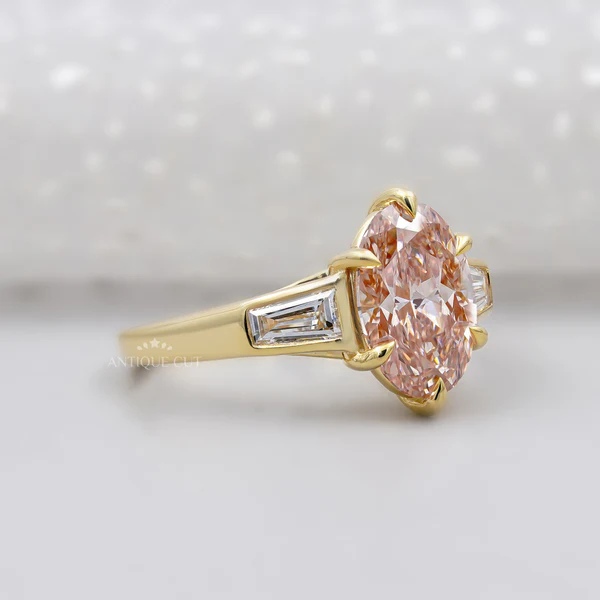
The History of Vintage Engagement Rings: A Beginner’s Guide
Engagement rings have long represented love, commitment, and the promise of a shared future. While modern ring designs continue to evolve, many couples are drawn to pieces that carry a sense of history and character. This growing appreciation has fueled interest in vintage engagement rings, which combine remarkable craftsmanship with stories from the past.
For first-time buyers, understanding the history behind these treasured pieces can make the search even more meaningful. The History of Vintage Engagement Rings: A Beginner’s Guide explores how engagement rings transformed over centuries and why vintage-inspired designs remain highly sought after today.
The Early Origins of Engagement Rings
The tradition of exchanging rings as a symbol of commitment dates back thousands of years. Ancient civilizations, including the Egyptians and Romans, believed that a ring represented eternity because of its circular shape. Rings were often crafted from simple materials such as woven reeds, iron, or bronze.
During Roman times, engagement rings became more formal symbols of a marriage agreement. These early designs were practical rather than decorative, but they established the foundation for the engagement ring traditions we recognize today.
As centuries passed, precious metals and gemstones became more accessible to wealthy families. Rings began to showcase status and family heritage, gradually evolving into the intricate pieces admired by collectors today.
The Rise of Diamond Engagement Rings
One of the most important milestones in engagement ring history occurred in 1477 when Archduke Maximilian of Austria presented a diamond ring to Mary of Burgundy. Historians often cite this event as the beginning of the diamond engagement ring tradition among European nobility.
Diamonds quickly became symbols of wealth and devotion. However, for many centuries, only aristocrats could afford them. Jewelers experimented with different cuts, settings, and decorative details, creating designs that reflected the artistic movements of their era.
The popularity of the engagement ring vintage diamond aesthetic can be traced back to these early European influences, where hand-crafted details and carefully selected gemstones played a central role in ring design.
What Makes a Ring Vintage?
A vintage engagement ring is generally considered a ring that originates from a previous era and reflects the design characteristics of its time. Many experts classify rings that are at least twenty to thirty years old as vintage, while antique rings are typically over one hundred years old.
Unlike modern mass-produced jewelry, vintage engagement rings often feature handcrafted elements that showcase exceptional attention to detail. Intricate engravings, delicate metalwork, and unique gemstone arrangements distinguish them from contemporary styles.
Because each historical period introduced different artistic influences, vintage rings offer a fascinating glimpse into changing fashion trends and cultural values.
Victorian Era Rings (1837–1901)
The Victorian era marked a significant chapter in engagement ring history. Named after Queen Victoria of England, this period emphasized romance, symbolism, and personal expression.
Victorian rings often featured:
Floral motifs
Hearts and bows
Colored gemstones
Yellow and rose gold settings
Nature-inspired engravings
Diamonds were frequently paired with sapphires, rubies, emeralds, and pearls. Many designs carried hidden meanings, allowing couples to express their affection through symbolic jewelry.
The craftsmanship of Victorian rings continues to inspire modern jewelers creating vintage inspired engagement rings for contemporary couples.
Edwardian Elegance (1901–1915)
Following the Victorian period came the Edwardian era, known for its sophistication and delicate artistry. Platinum became increasingly popular because it allowed jewelers to create intricate lace-like designs that were both strong and refined.
Edwardian engagement rings commonly featured:
Filigree details
Milgrain edges
Platinum settings
Old European-cut diamonds
Floral and garland patterns
These rings reflected the luxury and refinement associated with high society during the early twentieth century. Their graceful appearance remains influential in many vintage style engagement rings available today.
The Art Deco Revolution (1920–1939)
The Art Deco period brought dramatic changes to jewelry design. Influenced by architecture, technology, and global cultural discoveries, jewelers embraced bold geometric patterns and striking symmetry.
Art Deco engagement rings are known for:
Sharp geometric shapes
Step-cut diamonds
Contrasting gemstones
Symmetrical layouts
Bold visual impact
Many collectors consider Art Deco rings among the most recognizable vintage diamond engagement rings because of their distinctive architectural appearance.
These designs reflected a rapidly modernizing world while maintaining exceptional craftsmanship. Their balance of sophistication and boldness continues to attract buyers seeking something different from traditional ring styles.
Retro Era Glamour (1940–1950s)
The Retro period emerged during and after World War II. Due to wartime restrictions on platinum, jewelers increasingly used yellow and rose gold to create dramatic and eye-catching designs.
Large gemstone settings, sculptural metalwork, and glamorous Hollywood influences defined this era. Rings often featured sweeping curves and bold proportions that stood out from the delicate aesthetics of previous generations.
Retro rings reflected optimism, creativity, and resilience during a period of global change. Their distinctive style remains highly collectible today.
Mid-Century Styles and Modern Vintage Appeal
During the 1950s and 1960s, engagement rings embraced simplicity while maintaining elegance. White gold and platinum became popular choices, and round brilliant diamonds took center stage. Solitaire settings gained widespread recognition, while subtle side stones added sparkle without overwhelming the design.
As fashion evolved in the following decades, engagement rings reflected changing lifestyles. Although modern manufacturing techniques made jewelry more accessible, many buyers continued to admire the artistry found in earlier eras. Today, these historical influences inspire designers to create beautiful vintage inspired engagement rings that blend classic beauty with modern durability.
Why Vintage Engagement Rings Continue to Captivate Couples
The appeal of vintage engagement rings extends far beyond their appearance. Every ring carries a sense of history, making it feel more personal than many contemporary designs. Small handcrafted details, hand-cut diamonds, and intricate engravings give each piece a character that cannot easily be replicated.
Many couples also appreciate the uniqueness of vintage jewelry. Instead of selecting a ring that resembles thousands of others, they can own a design with distinctive features and timeless craftsmanship. Whether it is an elaborate Edwardian setting or a bold Art Deco masterpiece, each ring tells its own story.
Another reason for their popularity is sustainability. Choosing an existing ring gives new life to a beautifully crafted piece rather than requiring newly mined materials. This makes vintage jewelry an attractive option for buyers who value both beauty and responsible purchasing.
Vintage Rings vs. Vintage-Inspired Rings
Although the terms are often used interchangeably, there is an important difference between authentic vintage rings and vintage inspired engagement rings.
A genuine vintage ring was crafted decades ago and reflects the design trends of its original period. These rings may include old mine cut diamonds, Old European cuts, or hand-engraved details that are difficult to reproduce exactly.
On the other hand, vintage inspired engagement rings are newly crafted pieces designed to capture the charm of historical styles. They often feature modern diamonds, updated settings, and improved durability while preserving classic design elements such as milgrain edges, filigree work, and halo settings.
Both options offer exceptional beauty, allowing buyers to choose between historical authenticity and modern practicality.
Characteristics of Vintage Style Engagement Rings
Recognizing the defining features of vintage style engagement rings can help buyers identify the design they love most. Some of the most recognizable characteristics include:
Intricate hand engraving
Decorative milgrain borders
Filigree metalwork
Floral and scroll-inspired details
Halo settings surrounding the center stone
Old European or cushion-cut diamonds
Colored gemstone accents
Elegant handcrafted settings
These elements create rings that feel rich in personality and history while remaining suitable for everyday wear.
Choosing the Right Vintage Diamond Engagement Ring
Purchasing vintage diamond engagement rings requires careful consideration. Since each ring is unique, buyers should examine both craftsmanship and overall condition before making a decision.
Look closely at the diamond's cut, clarity, and setting. Older diamonds often display a softer sparkle than modern brilliant cuts, but many collectors appreciate their distinctive character and warmth.
The metal should also be inspected for wear, particularly around the prongs that secure the center stone. If buying from a reputable jeweler, ask whether the ring has been professionally restored or maintained.
Certification, professional inspection, and transparent documentation provide additional confidence when purchasing an heirloom-quality ring.
Finding a Trusted Source
Whether shopping online or visiting a jewelry showroom, choosing a trusted retailer is essential. Experienced jewelers can explain the history of each design, verify authenticity, and recommend styles that match your preferences.
For buyers who admire classic craftsmanship with exceptional quality, Antiquecut offers thoughtfully designed collections inspired by historical artistry while embracing modern standards of precision and elegance.
Working with knowledgeable professionals makes it easier to find a ring that suits both your style and your budget.
Caring for Vintage Jewelry
Proper care helps preserve the beauty of vintage rings for generations. Regular cleaning with mild soap and warm water keeps gemstones looking brilliant, while professional inspections ensure the setting remains secure.
Store rings separately to prevent scratches, avoid harsh chemicals during cleaning, and remove jewelry during strenuous activities. These simple habits protect delicate engravings and intricate settings from unnecessary wear.
With proper maintenance, vintage jewelry can continue telling its story for decades to come.
Conclusion
Understanding the past allows us to appreciate the artistry behind today's most admired engagement rings. From the romantic Victorian era to the striking geometric designs of Art Deco and the glamorous Retro period, every generation contributed something unique to the evolution of engagement jewelry.
Whether you choose an authentic heirloom or one of the many beautifully crafted vintage inspired engagement rings available today, you'll be wearing more than a beautiful piece of jewelry—you'll be carrying a piece of history.
If you're beginning your search, take time to know more in detail about vintage engagement rings before making your decision. Learning about historical styles, craftsmanship, and gemstone characteristics will help you confidently select a ring that reflects your personality, celebrates your love story, and becomes a cherished family treasure for generations to come.