Visium Pro Blue Light Filter: Improve Visual Clarity and Protect Eyes From HEV Light
-
- Published Updated
- 492 views
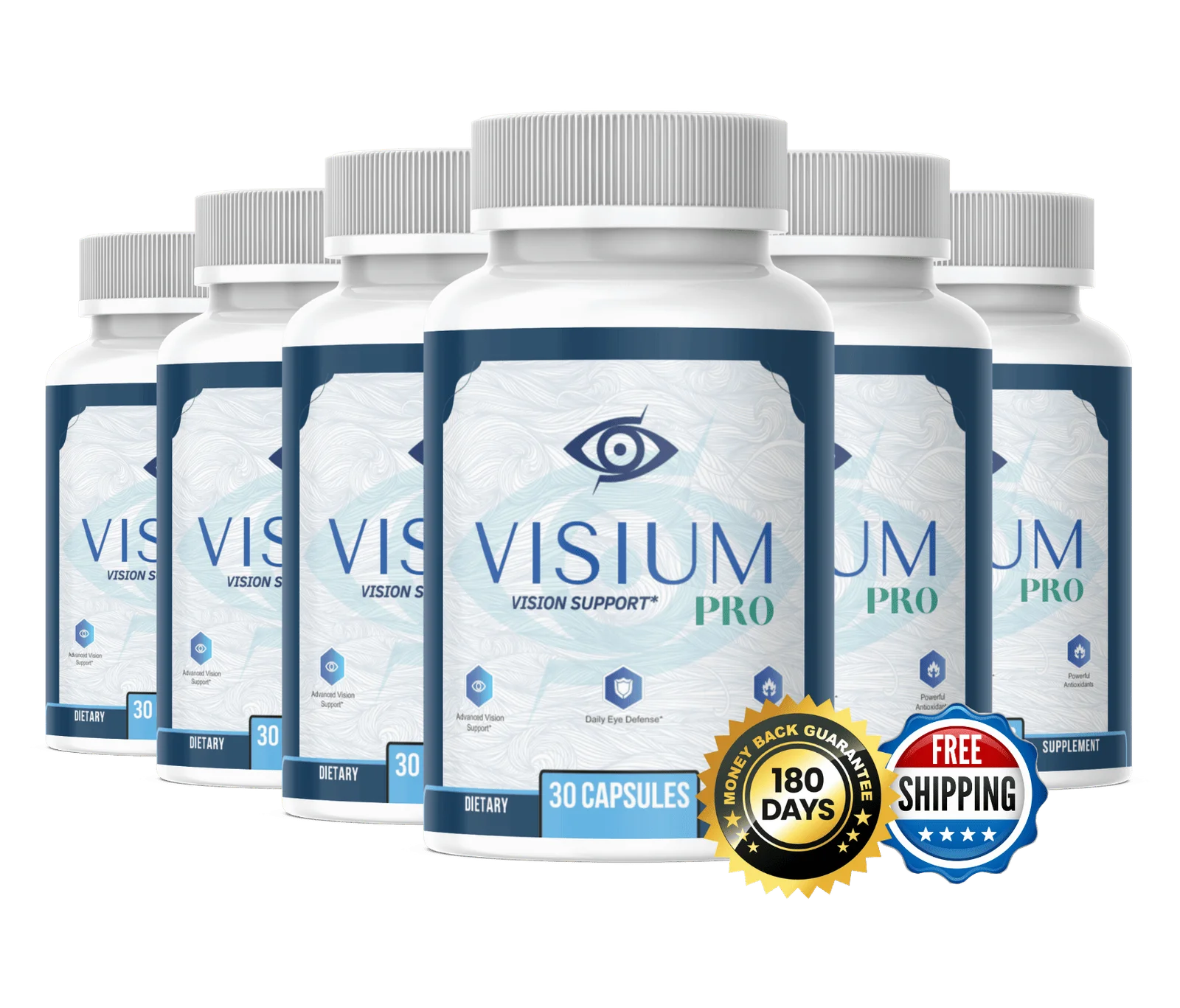
The Visium Pro blue light filter is designed to improve visual clarity and reduce exposure to high-energy visible (HEV) light from screens and LEDs. This page explains how the technology works, who benefits, and practical steps for selecting lenses or coatings that offer blue light eye protection without sacrificing everyday clarity.
- Detection intent: Informational
- Primary focus: Visium Pro blue light filter and measurable improvements in visual clarity
- Includes: CLARITY checklist, real-world scenario, practical tips, trade-offs, and 5 core cluster questions for follow-up
How the Visium Pro blue light filter works
The Visium Pro blue light filter targets a portion of the high-energy visible spectrum (roughly 400–455 nm) that research links to glare and visual discomfort. By using thin-film coatings or lens-tinting with selective attenuation, the filter reduces scattering and stray blue light that can lower contrast and cause digital eye strain. At the same time, modern filters preserve color balance and maintain transmission in wavelengths needed for healthy daytime vision.
Who benefits from blue light eye protection and visual clarity lenses
People who spend prolonged time on computers, tablets, or smartphones, those working in bright LED-lit environments, and users who experience glare or reduced contrast will notice the most benefit. Visual clarity lenses with blue light protection aim to reduce symptoms such as eye fatigue, headaches, and difficulty focusing on high-resolution text or small items on-screen.
Related terms and standards
Relevant terms include HEV (high-energy visible) light, anti-reflective coatings, chromatic contrast, and photobiological safety. Standards and guidance from organizations such as the American Academy of Ophthalmology and optical standards bodies can guide safe limits and testing procedures. For more background on blue light and eye health, see the American Academy of Ophthalmology guidance on blue light and eyes: American Academy of Ophthalmology.
CLARITY checklist: How to evaluate a blue light lens or coating
Use the CLARITY checklist to compare options in a repeatable way:
- Coating type — anti-reflective + selective blue cutoff versus full tint
- Lens material — polycarbonate, high-index, or glass affects clarity and weight
- Attenuation rating — specified percentage or nm cutoff for blue light reduction
- Reporting — lab test or certification (transmission spectra preferred)
- Illuminant compatibility — how the lens performs under LED, daylight, and screen light
- Trial period — return or trial policy to test in daily use
- Yield on visual tasks — measured improvement in contrast or reduced complaints
Evidence and real-world example
Controlled studies on blue light filters show mixed but generally positive results for reducing subjective glare and improving comfort during extended screen use. Objective measures such as contrast sensitivity and chromatic aberration are useful when available. A short scenario shows practical impact:
Scenario: An office worker who spends eight hours per day on spreadsheets reported blurred edges and frequent blinking by mid-afternoon. After switching to lenses fitted with a Visium Pro blue light filter, the worker reported less glare from LED overhead lights and improved ability to read fine text on multiple monitors. Over two weeks, breaks for eye strain decreased and focus extended by 20–30 minutes per task session.
Practical tips for choosing and using a blue light filter
- Confirm specification: Ask for the transmission spectrum or a stated nm cutoff rather than vague "blue-blocking" claims.
- Pair with anti-reflective coatings: AR coatings reduce surface reflections that contribute to perceived glare.
- Test in real conditions: Use any trial or return period to test lenses under the same lighting and device setup used every day.
- Adjust screen settings first: Lower screen brightness, increase contrast, and use night mode as complementary measures.
- Consult an eye professional if symptoms persist: Persistent blurred vision or headaches should be evaluated clinically.
Common mistakes and trade-offs
Choosing a lens solely on marketing claims is a common mistake. Trade-offs include:
- Color perception vs. attenuation: Strongly tinted blue-blocking lenses can alter color balance, which matters for color-critical tasks.
- Visible tint vs. clear coatings: Clear selective coatings offer subtle protection with minimal color shift but may attenuate less than darker tints.
- Unverified performance: Without transmission data, claims about "blocking 90% of blue light" can be misleading; percentage alone does not indicate which wavelengths were attenuated.
When not to rely on lenses alone
Lenses are a mitigation layer, not a cure. Reducing screen time, scheduling breaks (the 20-20-20 rule: every 20 minutes, look at something 20 feet away for 20 seconds), optimizing ambient lighting, and managing posture are essential complements to any blue light eye protection strategy.
Core cluster questions
- How does selective blue light attenuation differ from a full yellow tint?
- What testing methods verify a lens's blue light transmission spectrum?
- When should a clinician recommend blue light protection for patients?
- How do anti-reflective coatings improve outcomes with blue light filters?
- What workplace lighting adjustments complement lens-based blue light protection?
Installation, maintenance, and cost considerations
Coated lenses require standard cleaning with microfiber cloths and lens-safe cleaners to preserve anti-reflective and selective coatings. Warranty and scratch resistance vary by manufacturer; verification of durability and coating adhesion is part of the CLARITY checklist. Cost often correlates with added testing and higher-grade coatings, so evaluate trade-offs between upfront expense and long-term comfort and performance.
Conclusion: Practical decision-making for visual clarity
Choosing the right blue light solution begins with clear goals: reduce glare, preserve color accuracy, or improve all-day comfort. Using the CLARITY checklist, testing lenses under real conditions, and pairing lenses with workplace adjustments offers a balanced approach that emphasizes measurable visual clarity and responsible blue light eye protection.
FAQ — Does Visium Pro blue light filter help reduce digital eye strain?
Yes. A Visium Pro blue light filter can reduce subjective glare and improve perceived clarity during prolonged screen use; effectiveness depends on the filter's spectral attenuation, the user's environment, and complementary ergonomic practices.
How much blue light should a protective filter block to be effective?
Look for data showing selective attenuation in the 400–455 nm range and a reported transmission spectrum. Absolute percentages are less useful than a clear spectrum that shows where energy is reduced.
Will a blue light filter change color perception for design or photo work?
Strong tints can shift color perception. For color-critical work, prefer selective coatings that attenuate specific HEV wavelengths while maintaining neutral color balance, and test samples under real lighting.
How to maintain lenses with anti-reflective and blue light coatings?
Use a microfiber cloth and lens-safe cleaner, avoid abrasive materials, and store lenses in a protective case. Follow manufacturer care instructions to extend coating life.
Can children benefit from visual clarity lenses with blue light protection?
Children who use screens for long periods can benefit from reduced glare and improved comfort, but any persistent vision issues should be assessed by an eye care professional to rule out refractive or binocular vision problems.