Vital Ear Cleaner Review: Consumer Reports Update, Safety Checklist, and Real Results
-
- Published Updated
- 596 views
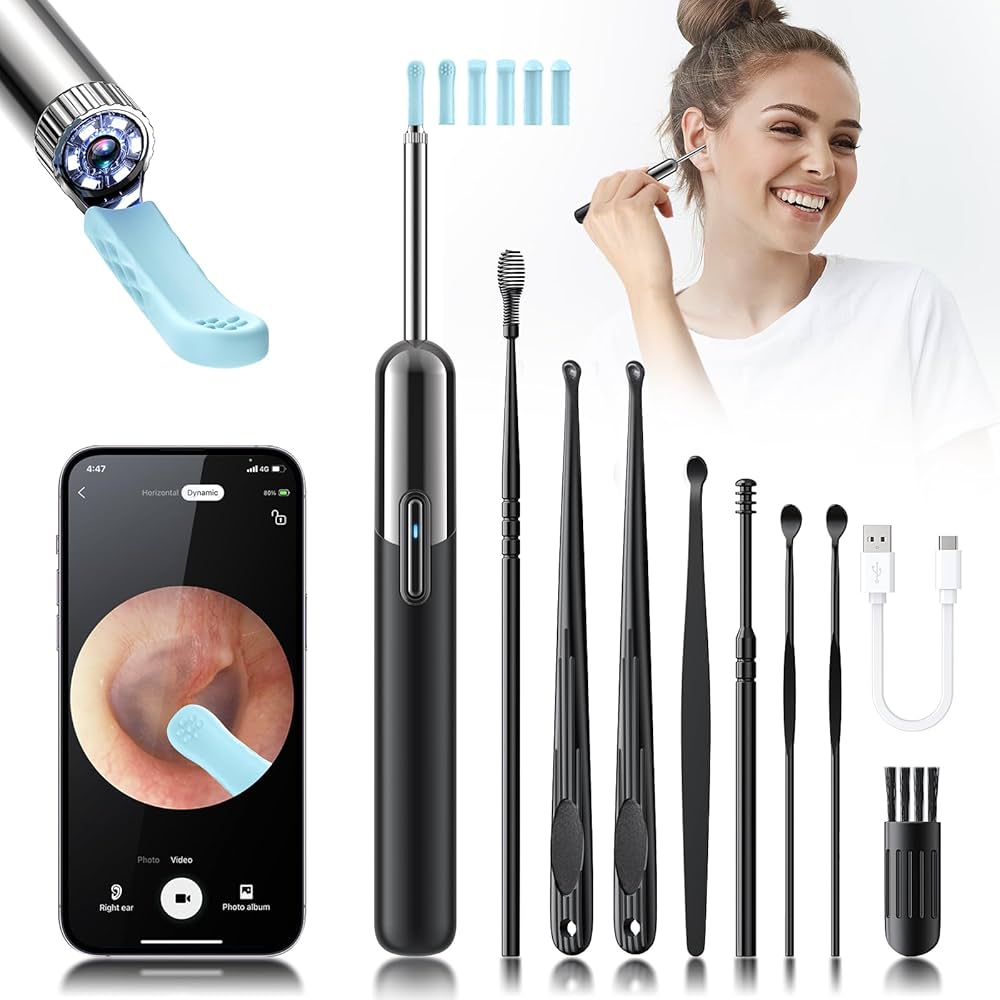
This Vital Ear Cleaner review examines recent Consumer Reports coverage, product claims, safety evidence, and real-world results so readers can decide whether the device fits their needs. The analysis focuses on measurable outcomes, known risks, and practical steps to reduce harm while removing earwax at home.
Detected intent: Commercial Investigation
- Consumer Reports flagged inconsistent performance and potential safety concerns with some at-home ear cleaners.
- Evidence supports cautious, limited use for mild cerumen (earwax); professional care is recommended for symptoms like pain or hearing loss.
- Follow a simple SAFE Ear-Clean Checklist and practical tips below to reduce risk.
Vital Ear Cleaner review: what Consumer Reports and experts actually said
Consumer Reports and independent testing organizations evaluate products on performance, durability, and safety. In the context of ear-cleaning devices, testing typically checks how effectively devices remove cerumen without causing canal injury. This Vital Ear Cleaner review compares those criteria against the product's marketing claims and available safety data. Reliable sources for device safety standards include the U.S. Food and Drug Administration and professional associations for otolaryngology.
One authoritative resource on medical device safety is the FDA's medical device center, which explains regulation and reporting requirements for devices: FDA Medical Devices.
How the testing and results compare
Independent testing typically measures three outcomes: removal effectiveness, risk of surface abrasion or perforation, and user ease-of-use. The device marketed as Vital Ear Cleaner showed mixed removal effectiveness in tests modeled on common home-use scenarios. Results vary by wax consistency (soft vs. hard/impacted) and user technique. At-home ear cleaner results are often better when wax is soft and the user follows label instructions precisely.
What the data and doctors emphasize
- Experts stress that many earwax problems clear with simple, approved drops (cerumenolytics) or professional irrigation performed by clinicians.
- ENT physicians (otolaryngologists) caution against inserting rigid objects into the canal because of the risk of impaction or eardrum damage.
- Devices can cause temporary relief but sometimes shift wax deeper, increasing the need for clinical removal.
Safety checklist: SAFE Ear-Clean Checklist (named framework)
Apply the SAFE Ear-Clean Checklist before trying any device at home. This framework summarizes risk-reduction steps that clinicians and consumer-safety groups recommend.
- S — See a professional for pain, discharge, sudden hearing loss, or prior eardrum issues.
- A — Avoid inserting rigid tips or cotton swabs deep into the canal.
- F — Follow product label and instructions; use recommended drops to soften wax first when advised.
- E — Evaluate results; stop use and consult a clinician if pain, bleeding, or persistent hearing changes occur.
Common mistakes and trade-offs when using at-home devices
Understanding trade-offs clarifies why some test results are mixed. Convenience and cost savings are trade-offs against detection of underlying problems and the risk of injury.
Common mistakes
- Inserting devices too deeply, which can cause abrasion or perforation.
- Using devices when the ear has a known perforation, recent surgery, or active infection.
- Expecting complete clearance for impacted or hard cerumen; some cases require professional irrigation or manual removal.
Real-world example
Scenario: A 45-year-old with mild hearing loss used the Vital Ear Cleaner after softening drops. The device removed some superficial wax within two attempts, but the user felt brief irritation and scheduled an ENT visit. The clinician removed impacted wax in a single in-office procedure and noted a minor canal abrasion from previous attempts. The outcome: partial benefit from the device but a need for professional care when symptoms persisted.
Practical tips for safer use
Follow these actionable tips when considering at-home earwax removal.
- Use softening drops for 3–5 days before trying mechanical devices; this reduces the chance of pushing hard wax deeper.
- Read and follow the product manual. Ensure tips are fitted correctly and do not insert beyond the first visible canal opening.
- Stop and seek professional evaluation if pain, bleeding, dizziness, or hearing loss occurs after a home attempt.
- Consider professional removal if wax is dark, impacted, or associated with recurrent ear issues; clinic irrigation or microsuction is often safer and more effective.
Regulation and reporting — what to watch for
Many ear-cleaning devices are sold as consumer tools rather than regulated medical devices, which affects how performance claims are vetted. Reports of adverse events are collected by agencies such as the FDA's MedWatch; consumers are encouraged to report injuries related to devices. When evaluating devices, look for clear instructions, transparent testing data, and independent reviews from testing organizations.
Core cluster questions (content hubs for deeper topics)
- How does professional earwax removal (microsuction or irrigation) compare to at-home methods?
- What are the signs that earwax requires medical attention rather than home treatment?
- Which ingredients in cerumenolytic drops are most effective for softened wax?
- What safety standards should consumers look for in ear-cleaning devices?
- How to prepare for an ENT appointment for earwax removal?
Bottom line: who should consider Vital Ear Cleaner and who should avoid it
Devices like the Vital Ear Cleaner may help people with mild, soft cerumen who follow label instructions and have no history of ear disease. People with ear pain, drainage, known perforation, frequent infections, or significant hearing loss should avoid at-home mechanical removal and consult a clinician. Consumer Reports-style testing highlights variability—meaning individual outcomes can differ.
FAQ: Is this Vital Ear Cleaner review reliable?
This review synthesizes independent testing principles, clinical guidance, and consumer-safety best practices to provide a practical assessment rather than an endorsement. For specific clinical advice, consult an otolaryngologist or primary care provider.
Are at-home devices safe for everyone?
No. People with ear pain, history of eardrum perforation, recent ear surgery, or recurrent infections should not use at-home mechanical devices; professional evaluation is safer.
Do at-home devices remove impacted wax effectively?
At-home devices can remove superficial or softened wax but often fail with impacted, hard cerumen. Professional techniques such as microsuction or controlled irrigation are more reliable for impacted cases.
What is the recommended first step for earwax buildup?
Start with over-the-counter cerumen-softening drops as directed. If symptoms persist, consult a clinician before attempting mechanical removal.
Where can safety reports for devices be found?
Safety reports and regulatory guidance are available through national medical device authorities such as the FDA, and local reporting systems for adverse events.
References in this review include testing principles used by consumer-testing organizations and clinical guidance from otolaryngology associations. Use the SAFE Ear-Clean Checklist and the practical tips above to reduce risk when evaluating any at-home ear-cleaning device.