VNR 212 Brinjal Guide: Sustainable Techniques to Improve Yield
-

- Published Updated
- 1,815 views
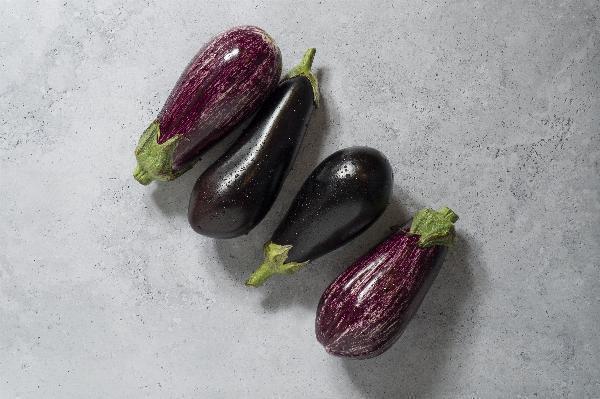
VNR 212 brinjal is a determinate eggplant variety developed for high productivity and adaptability in a range of tropical and subtropical growing conditions. This guide summarizes crop characteristics and practical, eco-friendly methods for improving yield while reducing chemical inputs.
- VNR 212 brinjal: medium-to-high-yielding variety with compact growth habit.
- Key eco-friendly practices: soil testing, organic amendments, drip irrigation, mulching, biological control agents and integrated pest management (IPM).
- Focus on timing: correct transplanting age, nutrient split application and regular scouting reduce losses.
- Local extension services and agricultural universities provide region-specific recommendations.
VNR 212 brinjal: variety overview and key traits
Botanical traits and adaptation
VNR 212 brinjal (Solanum melongena) is typically described as a determinate or semi-determinate hybrid-type variety characterized by compact plants and uniform fruit set. The variety is adapted to warm-season production and is commonly grown in regions with well-drained soils and moderate to high temperatures. Observations from varietal trials indicate good uniformity in fruit size and maturity, making the variety suitable for both fresh markets and short-distance distribution.
Yield potential and disease resistance
Under recommended agronomic management, VNR 212 brinjal has shown consistent yield advantages over older open-pollinated lines in several localized trials. Reported performance depends on soil fertility, crop protection and water management. The variety may exhibit partial tolerance to common eggplant diseases; however, integration of cultural and biological controls is essential for sustainable production.
Eco-friendly crop management practices
Soil preparation and nutrient management
Start with a soil test to determine pH and nutrient status; optimal pH for brinjal is generally 6.0–6.8. Incorporate well-decomposed compost or farmyard manure at 8–12 t/ha before planting to improve soil structure and microbial activity. Use biofertilizers such as Trichoderma, Azospirillum and phosphate-solubilizing bacteria where available to enhance nutrient availability. Apply recommended base doses of N, P and K based on soil test results and split nitrogen application (e.g., at transplanting, early flowering and fruit set) to reduce leaching and improve uptake. Consider zinc and boron where deficiency symptoms appear.
Water management and irrigation
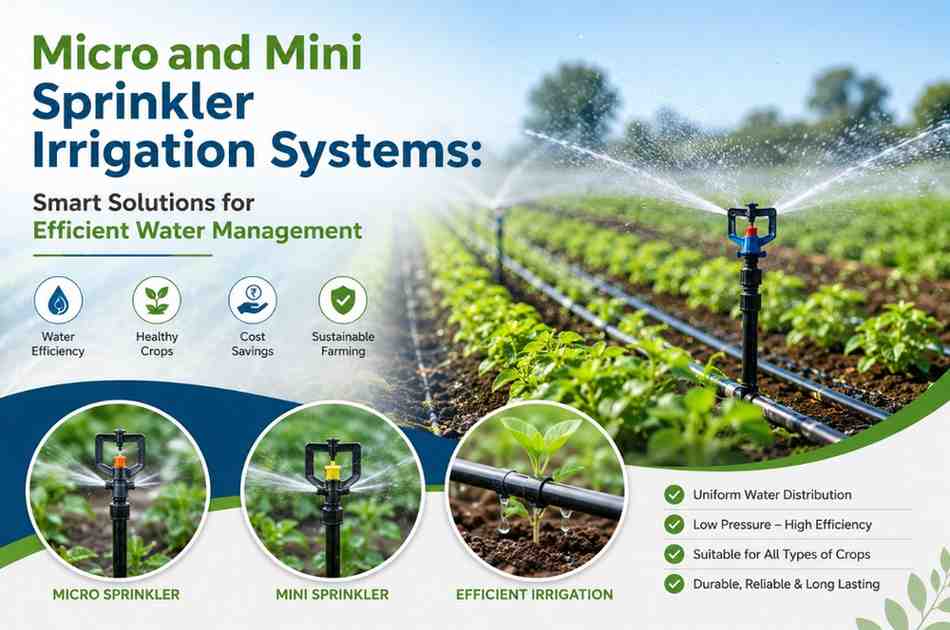
Drip irrigation is an efficient water-management practice for brinjal that reduces humidity around the canopy and lowers disease pressure. Maintain consistent soil moisture during fruit setting to prevent flower drop and fruit deformation. Mulching with organic materials (straw or black polyethylene where appropriate) conserves soil moisture, suppresses weeds and moderates soil temperature.
Planting, pruning and spacing
Transplant healthy seedlings at 4–6 weeks old when they have 4–6 true leaves. Typical spacing for compact varieties is 45–60 cm between rows and 40–50 cm within rows depending on planting system and mechanization. Prune selectively to improve air circulation and light penetration—remove lower leaves and non-productive shoots. Stake or provide support in high-wind areas to prevent lodging and fruit-soil contact.
Integrated pest and disease management (IPM)
Adopt IPM principles: monitor fields regularly, use pheromone traps to monitor moth pests, and employ biocontrol agents and cultural practices before chemical interventions. For common pests like shoot-and-fruit borer, combine cultural measures (destroy crop residues, timely harvesting) with biological controls such as Bacillus thuringiensis (Bt) formulations and Trichogramma spp. parasitoids where available. Manage aphids and whiteflies through natural enemy conservation (lady beetles, lacewings), sticky traps and neem-based or other botanical options. For diseases like bacterial wilt and mosaic viruses, practice crop rotation, use disease-free transplants, avoid excessive nitrogen that can favor some diseases, and remove infected plants to reduce inoculum.
Harvesting, post-harvest handling and quality
Harvest timing and technique
Harvest fruits when they reach marketable size and glossy appearance but before over-maturity; frequency of picking every 3–4 days can extend productive life. Use clean, sharp tools to cut fruits with a short stem to reduce handling damage. Cool produce promptly where possible to extend shelf life.
Post-harvest care and loss reduction
Sort and grade immediately after harvest to remove damaged fruit. Avoid stacking heavy loads that bruise fruit and use ventilated crates for transport. Simple cold-chain steps such as shading and rapid cooling reduce respiration and maintain firmness. Training harvest crews on handling reduces post-harvest losses.
Resources and extension support
Local agricultural extension services, state agricultural universities and Krishi Vigyan Kendras (KVKs) provide region-specific recommendations, demonstration plots and training on sustainable practices. For national research information and varietal release details, consult authoritative sources such as the Indian Council of Agricultural Research (ICAR): ICAR. Extension agents can help with local pest thresholds, input recommendations and market linkages.
Frequently asked questions
What are the ideal soil and pH conditions for VNR 212 brinjal?
VNR 212 brinjal performs best in well-drained loam or sandy-loam soils with pH around 6.0–6.8. Correct soil acidity or alkalinity based on a lab test before planting to optimize nutrient availability.
How does integrated pest management reduce chemical use for this variety?
Integrated pest management (IPM) emphasizes monitoring, biological controls, cultural practices and targeted interventions only when pest thresholds are exceeded. This reduces reliance on broad-spectrum insecticides and supports beneficial organisms that suppress pest populations.
How should seedlings be transplanted for best results with VNR 212 brinjal?
Transplant seedlings at 4–6 weeks age with hardened seedlings, plant during cooler part of the day and maintain recommended spacing. Water immediately after transplanting and use mulch to conserve moisture and suppress weeds.
What are common low-cost biocontrol options for brinjal pests?
Low-cost biocontrols include Bacillus thuringiensis (Bt) for lepidopteran pests, Trichogramma egg parasitoids, neem-based botanicals, and conservation of predators such as lady beetles and lacewings. Timely cultural measures such as sanitation and crop rotation complement these options.
Where can growers get localized technical support and training?
Growers can contact local Krishi Vigyan Kendra (KVK), state agricultural universities or extension offices for demonstrations, trainings and soil testing services. These institutions provide locally adapted recommendations and training on eco-friendly methods.