Vrisa Innovation and the Rise of Prefab Living in India: Costs, Process, Benefits
-

- February 28th, 2026
- 356 views

Get a free topical map and start building content authority today.
Detected intent: Informational
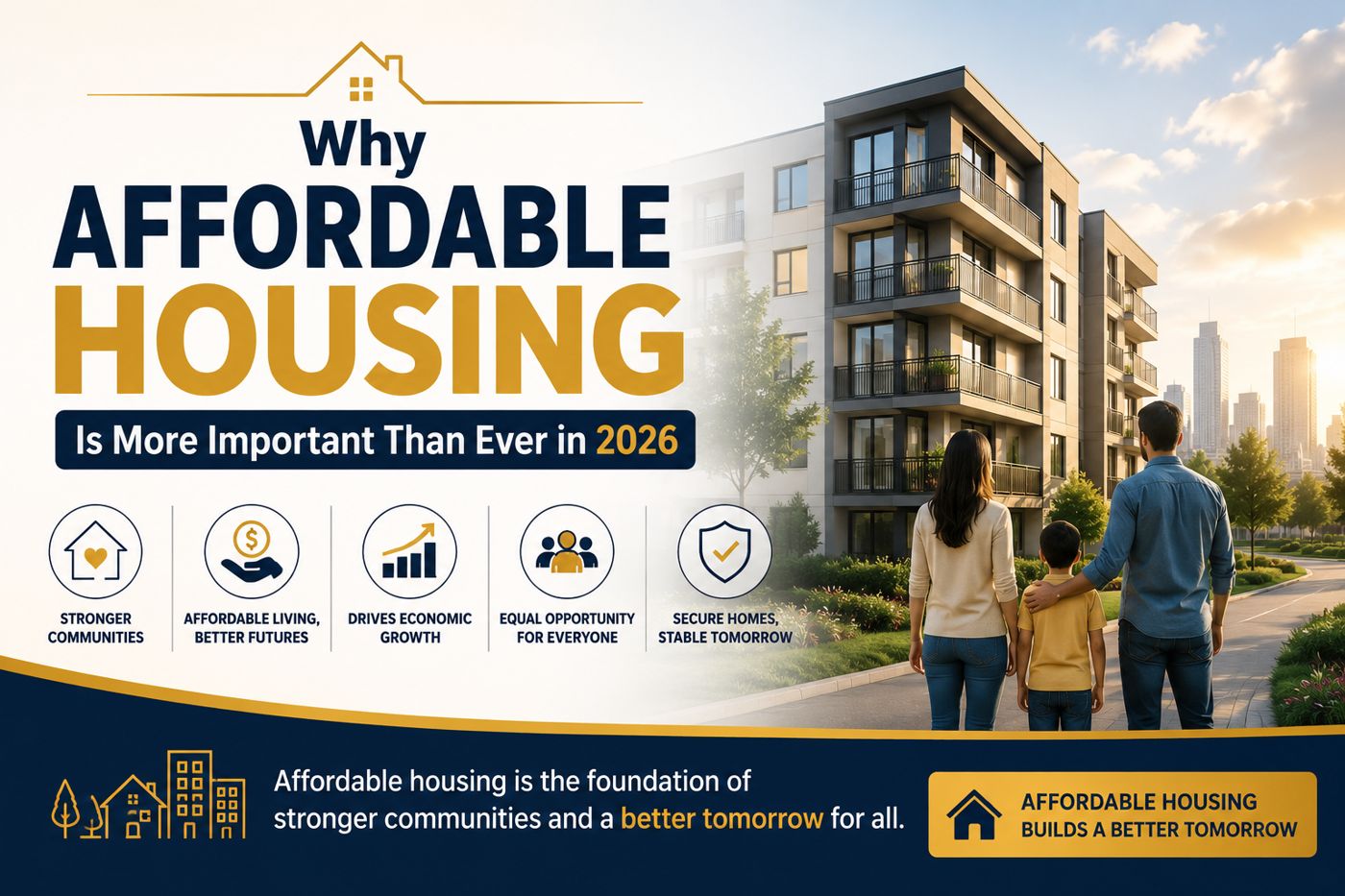
Prefab living in India is moving from pilot projects to mainstream solutions for affordable, fast, and sustainable housing. This guide explains how Vrisa Innovation Limited fits into that shift, what modular construction means in practical terms, and how homeowners, developers, and policymakers can evaluate prefabricated options in India.
Vrisa Innovation Limited uses offsite fabrication, standardized panels, and integrated design to speed delivery and reduce waste. Key considerations include compliance with Bureau of Indian Standards (BIS) rules, site logistics, lifecycle costs, and sustainability certifications such as IGBC. This article provides a framework, a readiness checklist, a real-world scenario, practical tips, common mistakes, and five core cluster questions for further research.
How Vrisa Innovation is advancing prefab living in India
Vrisa Innovation Limited is one of several firms adopting modular and panelized construction techniques to tackle urban housing demand, disaster relief housing, and commercial fit-outs. By prefabricating structural panels, MEP cores, and finish assemblies offsite, companies like Vrisa reduce on-site labor, shorten schedules, and improve quality control while aligning with national housing priorities under programs overseen by the Ministry of Housing and Urban Affairs (MoHUA).
What "prefab" means in practice
Prefab covers a range of approaches from panelized concrete and steel systems to fully volumetric modules. Common components include factory-produced wall and floor panels, pre-installed plumbing and electrical chases, and plug-and-play fixtures. For buyers and planners, the practical questions are speed, durability, thermal comfort, maintenance needs, and long-term value.
Key standards and regulatory context
Compliance with Bureau of Indian Standards (BIS) specifications, local municipal building codes, and any applicable seismic norms is essential. Green building ratings from Indian Green Building Council (IGBC) or similar programs can help quantify sustainability claims. Engaging certified structural engineers and following guidelines from relevant authorities reduces approval delays.
MODS Framework: A practical model for evaluating prefab projects
Use the MODS Framework to assess prefab proposals and execution readiness:
- Modularization: Degree of factory-built modules vs. onsite assembly.
- Offsite fabrication: Quality control, lead times, and factory certifications.
- Design integration: Early coordination of architecture, structure, and MEP.
- Sustainability & standards: Energy performance, waste reduction, and lifecycle assessment.
Cost drivers and what affects prefabricated homes cost in India
Understanding prefabricated homes cost India requires separating fixed and variable drivers: material mix (steel, timber, EPS, concrete), transport distance from factory to site, foundation requirements, customization level, and local labor rates for assembly. Modular systems reduce on-site labor but add factory, logistics, and crane costs.
Typical trade-offs
Faster delivery vs higher initial unit cost: Offsite production shortens schedules and reduces weather delays, but modular components and transport can increase up-front expense. Design freedom vs repeatability: Highly customized designs slow production and raise costs compared with standardized repeatable units. Sustainability vs cost: Higher-performance envelopes and certified materials raise capital cost but lower lifecycle energy use.
Vrisa Build Readiness Checklist
- Site access for trucks and cranes: clear turning radius and load-bearing surface.
- Foundation design signed by a licensed engineer for modular loads.
- Factory QA/QC documentation: materials test reports and assembly tolerances.
- MEP coordination drawings matching module interfaces.
- Permits and compliance certificates from municipal authorities and BIS where required.
Real-world example: A small urban two-bedroom delivered modularly
Scenario: A developer on a 250 sq m infill lot needs a 1200 sq ft two-bedroom home. Using panelized exterior walls, pre-assembled bathroom pods, and a factory-fitted kitchen run, the build is completed in 8–12 weeks from delivery to certificate of occupancy, compared to 6–9 months with conventional methods. Advantages include reduced on-site disruption and improved finish consistency. Considerations: access for crane lift, staging area for modules, and final onsite MEP tie-ins.
Practical tips for choosing a prefab partner
- Request a documented timeline with milestones for factory production, transport, and site assembly.
- Verify third-party material tests and ask for sample assemblies or a factory visit.
- Insist on an integrated design package that includes thermal performance and maintenance access.
- Get multiple quotes that break down factory, logistics, and site assembly costs.
- Plan for a conservative contingency for unanticipated site work or utility upgrades.
Common mistakes and trade-offs to watch
Common mistakes
- Late design changes after factory tooling: causes rework and delays.
- Underestimating site logistics: insufficient crane capacity or blocked access.
- Ignoring long-term maintenance: inaccessible service panels for MEP systems.
Trade-offs to accept
Choosing prefab often means trading some design uniqueness for faster delivery and consistent quality. Budgeting should reflect logistics and lifting costs that are unique to modular construction.
Core cluster questions
- How do prefabricated buildings meet Indian seismic and wind codes?
- What are realistic timelines for modular housing projects in urban India?
- How to compare lifecycle costs of prefab vs conventional construction?
- Which materials and finishes are most suitable for coastal and humid climates?
- How do transport and site logistics affect total project cost and schedule?
Measuring impact: quality, speed, and sustainability
Track concrete metrics: construction days saved, percent waste reduction at the factory, energy performance (kWh/m2/year), and post-occupancy maintenance claims. Certification from recognized bodies such as IGBC or energy-efficiency audits strengthens long-term value propositions.
Next steps for stakeholders
Developers should pilot modular units on small plots to understand logistics. Local governments can streamline approvals by recognizing factory QA processes and by issuing prefabrication-specific guidelines. Banks and insurers should develop products that reflect faster completion and lower defect risk.
Frequently Asked Questions
What is prefab living in India and how does Vrisa Innovation contribute?
Prefab living in India refers to homes and buildings assembled from factory-made components. Vrisa Innovation contributes by supplying modular panels and integrated assemblies that reduce on-site work, aligning with national housing goals and offering standardized quality control.
How much do prefabricated homes cost in India compared to traditional builds?
Costs vary widely by system and location. Prefabricated homes can have higher initial material and logistics costs but often lower labor and time-related costs. Assess total delivered cost including transport, crane operations, and on-site fit-out to compare accurately.
Are prefabricated buildings durable and safe in Indian climates?
Yes, when designed to applicable BIS standards and local climate conditions. Durability depends on material selection, factory QA, and attention to detailing at connections and joints to prevent moisture ingress.
How long does it take to build a modular house from factory to move-in?
Smaller units can be assembled and finished in 6–12 weeks after factory completion; larger projects vary. Timelines depend on permits, site preparation, and logistics rather than only on factory lead time.
What permits and standards apply to prefab construction in India?
Permits are issued by local municipal bodies and must reference BIS and local building codes. Engage structural engineers and check local municipal procedures early to avoid approval delays.