How a Web Application Development Agency Accelerates Scalable Digital Products
-

- Published Updated
- 1,752 views
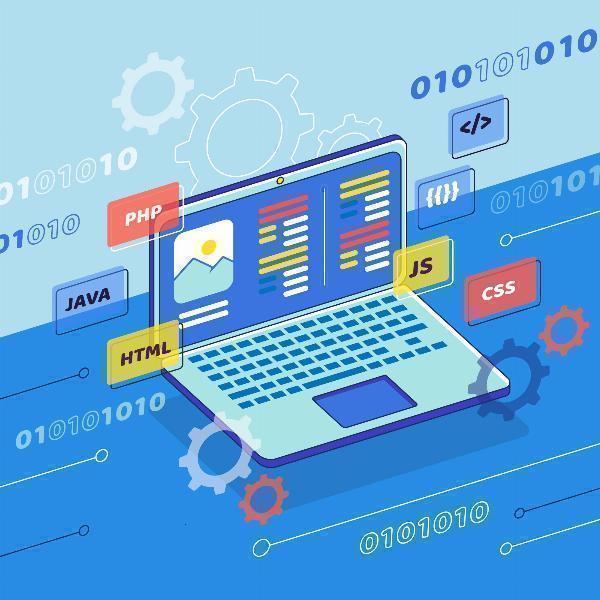
A web application development agency supports organizations by designing, building, and maintaining browser-based applications that meet user needs and business goals. Services commonly include user experience (UX) design, frontend and backend engineering, API development, cloud deployment, and ongoing maintenance. The agency model brings together cross-functional expertise—product strategy, full‑stack development, QA/testing, DevOps, and security—to accelerate delivery of reliable, scalable software.
- Primary focus: deliver web applications from concept through production and support.
- Core capabilities: UX/UI, frontend, backend, APIs, cloud, DevOps, QA, and security.
- Common approaches: agile development, continuous integration/continuous deployment (CI/CD), microservices, and accessibility compliance.
The role of a web application development agency
An agency specializing in web application development acts as a partner that combines technical delivery with product thinking. Typical responsibilities span requirements analysis, technical architecture, interface design, implementation, testing, deployment, and post-launch operations. Agencies often advise on technology choices—such as single‑page applications (SPA), serverless platforms, container orchestration, and API-first architectures—while aligning work with business priorities like scalability, performance, and time-to-market.
Core services and technical capabilities
Services offered by agencies vary by size and specialization but commonly include:
- Product discovery and UX research to validate user needs and shape feature roadmaps.
- Frontend engineering using modern frameworks, responsive design, and accessibility best practices (WCAG guidelines).
- Backend development, databases, and API design to ensure reliable data flows and integrations.
- Cloud architecture and infrastructure as code for scalable deployments on public cloud providers.
- DevOps and CI/CD pipelines to automate builds, testing, and releases.
- Quality assurance, automated testing, and performance tuning to maintain reliability under load.
- Ongoing maintenance, monitoring, incident response, and iterative improvements.
Process, methodologies, and team composition
Most agencies adopt iterative methodologies such as agile or Scrum to deliver incremental value and respond to changing requirements. Typical team roles include product managers, UX/UI designers, frontend and backend engineers, QA engineers, DevOps engineers, and technical leads. Collaboration workflows emphasize version control systems, issue tracking, code reviews, and automated test suites to reduce defects and increase transparency for stakeholders.
Security, compliance, and standards
Security and regulatory compliance are core considerations for web applications. Agencies follow established guidance and standards such as the Open Web Application Security Project (OWASP) for common vulnerabilities, and may align controls with frameworks like NIST or ISO/IEC 27001 for information security management. Integrating security practices early—threat modeling, static application security testing (SAST), dependency scanning, and runtime monitoring—reduces risk and supports compliance needs for data protection and privacy.
For practical security guidance and community resources, agencies often reference authoritative industry materials such as OWASP.
Architecture choices that affect innovation and scale
Technical architecture decisions shape cost, agility, and scalability. Common patterns that agencies implement include microservices for independent deployability, event-driven designs for asynchronous workflows, containerization for consistency across environments, and serverless functions for event-based compute. API-first design enables third-party integrations and mobile clients. Performance optimization—caching, CDNs, database indexing, and load testing—ensures predictable user experiences as traffic grows.
Measuring outcomes and ongoing improvement
Success metrics for agency engagements vary by project but generally include delivery velocity (lead time), application uptime, error rates, response times, user engagement metrics, and business KPIs like conversion or retention. Agencies often incorporate observability—metrics, logs, and traces—to diagnose issues and prioritize improvements. Regular retrospectives and user feedback loops support continuous refinement of the product.
How organizations choose and work with an agency
Selection criteria typically include technical expertise, domain experience, process maturity, references, and cultural fit. Engagement models range from project-based contracts to ongoing retainers or staff augmentation. Clear scope definitions, acceptance criteria, and governance arrangements help align expectations. Contracts should address intellectual property, data handling, security responsibilities, and maintenance terms.
What is a web application development agency and what does it do?
A web application development agency is a service provider that designs, builds, and supports web-based software. It combines product strategy, design, engineering, and operational capabilities to deliver applications that meet technical and business objectives.
When is it better to hire an agency instead of building an in-house team?
Hiring an agency can accelerate time-to-market, provide access to specialized skills, and reduce upfront hiring overhead. Organizations with limited internal resources or requiring rapid delivery for a new product often engage agencies, while long-term product ownership considerations may favor building in-house teams.
What security best practices should a web application development agency follow?
Best practices include secure coding standards, regular dependency updates, automated security testing, threat modeling, least-privilege access controls, and continuous monitoring. Aligning with standards such as NIST and ISO/IEC frameworks helps demonstrate due diligence.
How are costs typically structured when engaging a web application development agency?
Costs may be structured as fixed-price projects, time-and-materials contracts, or monthly retainers. Pricing depends on scope, expertise required, duration, and whether the agency provides ongoing support or staff augmentation.
How should performance and success be measured after launch?
Monitor technical metrics (uptime, latency, error rates), user metrics (engagement, conversion), and business KPIs. Use observability tools and A/B testing to validate changes and prioritize iterations based on measurable impact.
Related Articles