Weight Loss Injections in Dubai: Boost Metabolism and Support Sustainable Weight Loss
-

- Published Updated
- 1,656 views

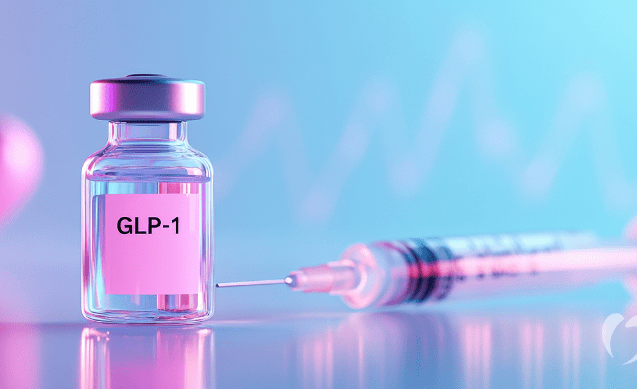
Weight loss injections in Dubai are increasingly used as a medical option to help boost metabolism and support body-weight reduction when combined with lifestyle changes. These treatments are typically prescribed by licensed clinicians and are part of a broader approach that includes diet, physical activity, and monitoring of metabolic health.
- Weight loss injections are medications administered under clinical supervision to assist with appetite control and metabolic changes.
- Common classes include GLP-1 receptor agonists; effectiveness depends on dose, duration, and accompanying lifestyle changes.
- Safety monitoring, eligibility assessment, and follow-up by licensed providers are essential.
- Official guidance from public health organizations recommends combining pharmacotherapy with diet and exercise.
How weight loss injections in Dubai work to boost metabolism
Weight loss injections influence biological processes that affect appetite, digestion, and energy use. Many of the injectable medications used in clinical practice act on gut-derived hormones that signal satiety to the brain, slow gastric emptying, and can modestly increase resting metabolic rate through improved body composition. These physiological effects often lead to reduced caloric intake and changes in fat distribution that contribute to weight loss over weeks to months.
Mechanisms of action
Medications commonly used target pathways involved in glucose regulation and appetite. By enhancing satiety signals and reducing hunger, these treatments can help lower daily calorie intake. Some agents also improve glycemic control, which may influence energy metabolism in people with insulin resistance or type 2 diabetes.
Common medication classes
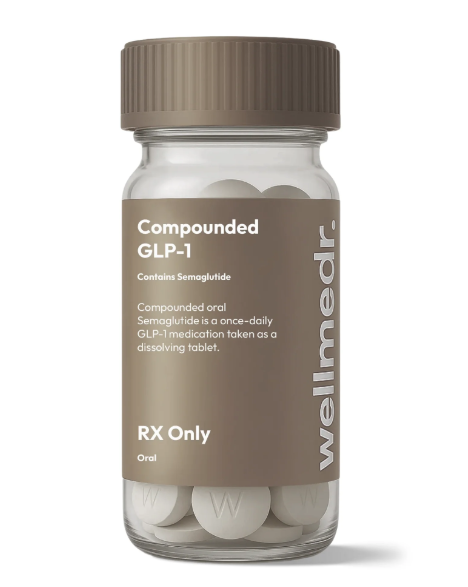
One frequently used class is glucagon-like peptide-1 (GLP-1) receptor agonists. These are prescribed by clinicians based on clinical assessment and international guidelines. The specific agent, dosage, and treatment duration vary according to individual medical history, body mass index (BMI), and treatment goals. Discussion with a licensed provider is needed to determine the most appropriate option.
Who may be considered for injections
Eligibility and clinical assessment
Eligible candidates are normally adults with overweight or obesity who have not achieved weight-loss goals through lifestyle interventions alone or have weight-related health risks. Assessment typically includes measurement of BMI, evaluation of comorbid conditions (such as diabetes or cardiovascular risk factors), medication review, and consideration of contraindications. Regional regulators and clinical bodies recommend treatment be supervised by physicians or qualified healthcare teams.
Regulatory and provider considerations in Dubai
Providers in Dubai operate under the oversight of local health authorities. Patients should seek care from clinics and practitioners licensed by the Dubai Health Authority or other relevant regulators and confirm that recommended treatments are approved for use and supplied through authorized channels.
Safety, side effects, and monitoring
Common side effects
Short-term side effects can include gastrointestinal symptoms such as nausea, vomiting, indigestion, or changes in bowel habits. These effects are generally dose-related and often decline over time. Regular follow-up helps manage symptoms and adjust dosing if needed.
Contraindications and interactions
Certain medical conditions, pregnancy, or specific medication interactions may make injectable therapies unsuitable. A thorough medical history and review of concomitant medications are essential before initiating treatment. Clinical guidelines and local regulatory information can provide direction on contraindications.
Monitoring and follow-up
Ongoing monitoring often includes weight tracking, assessment of side effects, metabolic markers (such as blood glucose), and evaluation of treatment effectiveness. Periodic reviews allow clinicians to adapt the plan, taper therapy when appropriate, or discontinue if objectives are not met or risks outweigh benefits.
Integrating injections with lifestyle changes
Diet, physical activity, and behavior
Pharmacological treatments are most effective when paired with sustained lifestyle modification. Nutritional adjustments, increased physical activity, behavioral strategies, and support for sleep and stress management all contribute to improved metabolic health and long-term weight management.
Setting realistic goals
Realistic, measurable goals—such as gradual weight reduction, improved fitness metrics, or better control of metabolic markers—help align expectations. Clinicians and allied health professionals (dietitians, physiotherapists, psychologists) frequently collaborate to create a comprehensive plan.
Accessing treatment in Dubai
When considering weight loss injections, verify that the clinic and provider are licensed and that treatments are prescribed after a clinical assessment. Local health authorities provide licensing information and consumer guidance. For broader context on obesity and treatment approaches, consult authoritative public health resources such as the World Health Organization: World Health Organization fact sheet on obesity and overweight.
Cost and coverage
Costs vary depending on the medication, dosing schedule, and clinic. Some health insurance plans may cover treatments for specified medical indications; verifying coverage with the insurer and provider before starting treatment is recommended.
How to choose a provider
Select a clinician experienced in weight-management pharmacotherapy and ask about clinical protocols, follow-up schedules, safety monitoring, and multidisciplinary support. Confirm that consent processes and patient education are provided before initiation.
FAQs
Are weight loss injections in Dubai safe and legal?
Weight loss injections are legal when prescribed and supplied by licensed providers in accordance with regulatory approvals. Safety depends on appropriate medical assessment, correct dosing, and monitoring by qualified clinicians.
How soon can metabolic effects appear after starting injections?
Some people experience appetite reduction within days to weeks, while measurable weight and metabolic changes typically occur over several weeks to months. Individual responses vary.
Will injections replace diet and exercise?
Injections are intended to complement—not replace—dietary changes, physical activity, and behavioral strategies. Combining therapies achieves better outcomes for sustained metabolic health.
How to find a qualified provider in Dubai?
Look for clinics licensed by the Dubai Health Authority or other local regulators, verify clinician credentials, and ask about experience in weight-management programs and long-term follow-up plans.