GLP-1 Medications for Weight Loss: A Complete Guide to GLP-1 Pills
-

- September 23rd, 2026
- 109 views
Weight loss treatment has changed significantly with the development of medications that act on hormone pathways involved in appetite, hunger, blood glucose regulation, and energy intake. Among the most discussed options are GLP-1 medications for weight loss, including medicines based on semaglutide and other incretin therapies.
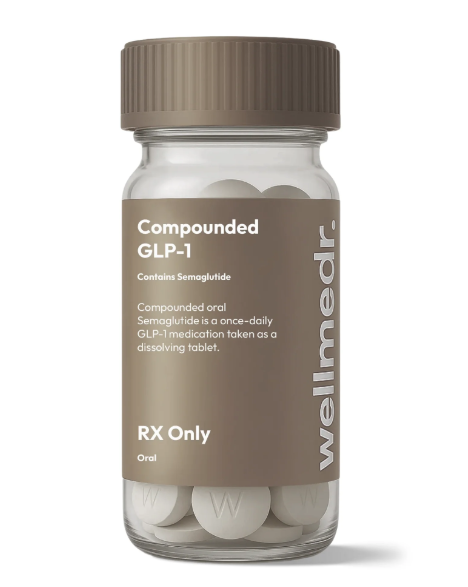
The phrase GLP-1 pills is also increasingly used by people searching online for prescription weight-loss treatment. However, an important distinction is needed: not every GLP-1 medication is a pill, and not every product marketed online as a GLP-1 treatment is an FDA-approved medicine. Some established weight-management therapies are injectable, while oral medications and other formulations have different regulatory status, indications, dosing schedules, and evidence.
👉👉Start Weight Loss Journey
GLP-1 stands for glucagon-like peptide-1, a hormone involved in appetite regulation and glucose metabolism. GLP-1 receptor agonists can mimic some effects of this naturally occurring hormone. Depending on the medication, these effects can include slower stomach emptying, increased feelings of fullness, and reduced appetite.
Clinical research has demonstrated meaningful average weight loss with certain prescription incretin medications when they are combined with lifestyle interventions. For example, in the STEP 1 trial, adults with overweight or obesity receiving once-weekly semaglutide 2.4 mg experienced an average 14.9% reduction in body weight after 68 weeks, compared with 2.4% with placebo.
The important question, therefore, is not simply whether someone can buy GLP-1 pills online. The more useful question is how these medications work, which formulations are actually appropriate for weight management, who may qualify, what benefits and risks should be considered, and how to recognize a legitimate prescription pathway.
This guide explores those questions in detail.
Key Takeaways
GLP-1 medicines influence biological pathways involved in appetite, satiety, and glucose regulation.
Some GLP-1-based weight-loss treatments are injectable rather than pills.
Semaglutide has demonstrated substantial average weight reduction in large clinical trials.
Tirzepatide acts on both GIP and GLP-1 receptors and has also demonstrated substantial weight loss in clinical research.
Prescription eligibility depends on factors such as BMI, health history, medications, and weight-related conditions.
Online treatment should involve a licensed clinician and a legitimate pharmacy.
A website offering prescription medication without appropriate medical evaluation is a significant warning sign.
“GLP-1 pills account creation” or “GLP-1 pills signup” should never replace clinical evaluation.
Compounded medicines are different from FDA-approved products and should not automatically be described as equivalent.
Long-term weight management involves medication, nutrition, physical activity, behavioral habits, and ongoing medical monitoring.
What Are GLP-1 Medications for Weight Loss?
GLP-1 medications for weight loss are prescription therapies that target pathways associated with appetite, food intake, blood glucose regulation, and body-weight management. Their primary biological action involves incretin signaling, although individual medicines can differ in their receptor activity and approved uses.
The naturally occurring GLP-1 hormone is released after eating. It contributes to glucose regulation and communicates with systems involved in appetite and satiety. GLP-1 receptor agonist medications are designed to activate the GLP-1 receptor for a longer period than naturally produced GLP-1.
For someone considering treatment, this distinction matters because these medicines are not simply traditional “fat-burning pills.” Their effects are connected to appetite regulation and metabolic signaling.
Semaglutide is one important example. In the STEP 1 randomized clinical trial involving 1,961 adults with overweight or obesity without diabetes, participants receiving once-weekly semaglutide 2.4 mg plus lifestyle intervention had an average 14.9% body-weight reduction after 68 weeks, compared with 2.4% with placebo.
Tirzepatide is another important medication in modern weight management. It activates both GIP and GLP-1 receptors rather than acting exclusively through the GLP-1 receptor. In the SURMOUNT-1 trial, mean weight reduction at 72 weeks ranged from 15.0% with the 5-mg dose to 20.9% with the 15-mg dose, compared with 3.1% with placebo.
These results demonstrate why incretin-based therapies have become an important area of obesity medicine. However, clinical-trial averages should not be interpreted as guaranteed individual results.
GLP-1 Is a Hormone Pathway, Not a Single Drug
One common source of confusion is treating “GLP-1” as though it were the name of one medication. It is actually the name of a biological hormone and receptor pathway.
Prescription medicines may use different active ingredients, doses, formulations, and mechanisms. Some products act primarily through GLP-1 receptors, while others, such as tirzepatide, activate multiple incretin pathways.
This means that searching for GLP-1 pills without understanding the active ingredient can produce incomplete or misleading information.
A medically appropriate treatment decision considers the medication itself, its approved indication, dosage form, contraindications, potential interactions, expected benefits, side effects, and the patient's individual medical history.
How Do GLP-1 Pills Work for Weight Loss?
GLP-1-based medicines can support weight loss by changing several processes involved in appetite and energy intake. They can increase satiety, reduce hunger, influence food intake, and affect glucose-dependent insulin secretion. Some GLP-1 receptor agonists also slow gastric emptying, although the magnitude and persistence of this effect can differ between medicines and over time.
This creates an important semantic relationship:
GLP-1 signaling → appetite regulation → reduced energy intake → potential weight reduction.
The medication does not simply force the body to burn stored fat. Instead, changes in appetite and food intake can make sustained calorie reduction more achievable for some patients.
Semaglutide provides a useful example. In the STEP 1 trial, researchers reported that weight loss was associated with reduced energy intake and decreased appetite. The treatment group also experienced improvements in several cardiometabolic measurements compared with placebo.
Tirzepatide provides another example because it targets both GIP and GLP-1 receptors. The SURMOUNT-1 trial demonstrated substantial weight reduction across the studied doses, with the greatest average reduction occurring at the 15-mg dose.
However, the body's response is individual. Two people taking the same medicine can experience different amounts of weight loss because treatment response depends on factors such as adherence, dose, underlying health conditions, dietary patterns, physical activity, genetics, and treatment duration.
Appetite, Satiety and Food Intake
One of the most practical effects reported by patients using GLP-1 therapies is a change in hunger.
Someone who previously felt persistent hunger between meals may experience greater fullness after eating. Another person may find that large portions become less appealing. These changes can reduce overall food intake without relying entirely on conscious calorie restriction.
This does not mean nutrition becomes irrelevant.
A lower appetite can sometimes make it more important to choose nutrient-dense foods because a person may be eating smaller quantities. Protein, vegetables, fruits, whole grains, healthy fats, and adequate fluids can remain important components of a balanced dietary pattern.
The goal is therefore not simply to eat as little as possible. The objective of medical weight management is to achieve meaningful, sustainable improvement while protecting nutritional adequacy and overall health.
👉👉Start Weight Loss Journey
GLP-1 Pills vs GLP-1 Injections: What Is the Difference?
The phrase “GLP-1 pills” can be misleading because many of the best-known weight-management incretin treatments are administered by injection.
Semaglutide, for example, exists in different formulations and brand products for different medical indications. The formulation, strength, and approved indication matter. A medication approved for type 2 diabetes is not automatically interchangeable with a formulation approved specifically for chronic weight management.
The same principle applies to other incretin medications.
Why Formulation Matters
An injectable medication and an oral medication can contain the same or related active ingredients while having different absorption characteristics, dosing instructions, approved uses, and clinical evidence.
Oral semaglutide products have been used for diabetes treatment, while injectable semaglutide formulations have specific approvals for chronic weight management. In March 2026, the FDA also approved a higher-dose 7.2-mg version of Wegovy for certain adults with obesity or overweight with at least one weight-related condition.
This illustrates why consumers should avoid assuming that every website selling something described as a “GLP-1 pill” is offering the same treatment studied in major weight-loss trials.
What Should Consumers Check?
Before purchasing an online medication, check:
The exact active ingredient
The dosage form
The strength
The prescribing clinician
The pharmacy dispensing the medicine
Whether a prescription is required
The medicine's approved indication
Storage and administration instructions
Potential side effects
Follow-up and monitoring arrangements
These details provide much more meaningful information than a generic product label such as “GLP-1 weight-loss pills.”
Which GLP-1 Medications Have Evidence for Weight Loss?
The evidence base for incretin-based obesity treatment has expanded considerably. Semaglutide and tirzepatide are among the most extensively studied modern therapies for chronic weight management.
Semaglutide's evidence includes the STEP clinical-trial program. In STEP 1, adults treated with once-weekly 2.4-mg semaglutide plus lifestyle intervention experienced an average 14.9% body-weight reduction at 68 weeks. About 86.4% achieved at least 5% weight loss, while 50.5% achieved at least 15% weight loss.
Tirzepatide has also generated substantial clinical evidence. In SURMOUNT-1, participants receiving 15 mg once weekly had an average 20.9% body-weight reduction after 72 weeks, compared with 3.1% with placebo. About 56.7% of participants in the 15-mg group achieved at least 20% weight loss.
These numbers are useful for understanding the magnitude of treatment effects in controlled trials, but they should not be used as personal predictions.
Semaglutide
Semaglutide is a GLP-1 receptor agonist. It can influence appetite, food intake, glucose regulation, and gastric emptying.
In the STEP 1 trial, the most common adverse events were gastrointestinal, particularly nausea and diarrhea. Researchers reported that these events were generally transient and mild to moderate, although some participants discontinued treatment because of gastrointestinal adverse events.
Tirzepatide
Tirzepatide differs mechanistically because it activates both GIP and GLP-1 receptors.
In SURMOUNT-1, gastrointestinal adverse events were the most common adverse events and were primarily reported during dose escalation. Treatment discontinuation because of adverse events occurred in 4.3%, 7.1%, and 6.2% of participants receiving the 5-mg, 10-mg, and 15-mg doses, respectively.
Important Information Gain: Weight Loss Is Only One Outcome
An important part of evaluating these medications is looking beyond the number on the scale.
Clinical trials have assessed changes in waist circumference, glycemic measurements, blood pressure, physical functioning, and other cardiometabolic factors. In STEP 1, semaglutide was associated with improvements in several cardiometabolic risk factors compared with placebo.
This broader perspective matters because obesity treatment is not simply about achieving a smaller body size. The medical objective can include improving health risks associated with excess adiposity and supporting long-term disease management.
Who May Be a Candidate for GLP-1 Weight-Loss Treatment?
Eligibility for prescription weight-management medication depends on the specific medicine and the individual's medical circumstances. In clinical practice, obesity pharmacotherapy is commonly considered for adults with obesity or for people with overweight who have weight-related medical conditions, alongside lifestyle intervention.
BMI is one commonly used screening measure, but it does not provide a complete picture of health.
A clinician may consider:
Current body weight
BMI
Waist circumference
Blood pressure
Blood glucose
Existing medical conditions
Previous weight-management attempts
Current medications
Family history
Pregnancy status where relevant
Eating patterns
Physical activity
Potential contraindications
Treatment goals
The reason for this assessment is straightforward: the same medication can have different benefits and risks depending on the individual.
Why Medical Screening Matters
A legitimate GLP-1 treatment program should not treat the signup form as the medical decision itself.
For example, a website may use an online questionnaire to collect information before a clinician evaluates the patient. That process can be convenient, but the medical assessment remains essential.
The phrase GLP-1 pills signup should therefore be understood as an administrative step, not a guarantee that medication is appropriate.
Likewise, GLP-1 pills account creation should normally mean creating an account within a legitimate healthcare platform where personal information, consultation details, prescriptions, and follow-up care can be managed.
It should not mean entering payment information and immediately receiving prescription medication without clinical evaluation.
How to Approach GLP-1 Pills Account Creation and Signup
Online healthcare has made it possible for some patients to complete portions of the treatment process remotely. However, consumers should understand the difference between creating an account and obtaining a prescription.
A typical legitimate online process may involve several stages:
Step 1: Create an Account
The patient enters basic contact information and establishes secure access to the healthcare platform.
Step 2: Complete a Health Questionnaire
The questionnaire may ask about weight, height, existing health conditions, current medicines, allergies, previous treatment, and other clinically relevant information.
Step 3: Clinical Evaluation
A licensed healthcare professional reviews the submitted information and determines whether an appropriate medical consultation is needed.
Step 4: Prescription Decision
If treatment is medically appropriate, the clinician may prescribe a specific medication and dose.
Step 5: Pharmacy Fulfillment
The prescription should be dispensed through an appropriate pharmacy.
Step 6: Follow-Up
A responsible program provides a mechanism for questions, side-effect reporting, dose adjustments, and ongoing monitoring.
This sequence creates a useful semantic relationship:
Account creation → clinical assessment → prescription → pharmacy fulfillment → follow-up care.
A website that removes the medical evaluation step creates a very different risk profile.
The FDA states that consumers should obtain prescriptions from doctors and fill them through state-licensed pharmacies. The agency also identifies the absence of screening and a prescription from a licensed doctor as a warning sign when evaluating telehealth services.
How to Evaluate an Online GLP-1 Medication Service
Searching for GLP-1 treatment online can produce many different types of websites. Some are healthcare platforms, some are pharmacies, and others may simply be marketing pages.
Consumers should examine the complete treatment pathway rather than judging a service by price or advertising language alone.
A credible service should make it reasonably clear:
Who provides the medical consultation
Whether the provider is licensed
Whether a prescription is required
Which pharmacy fills the prescription
What active ingredient is being prescribed
What formulation is supplied
How follow-up care works
How adverse effects can be reported
How personal health information is handled
What the total cost includes
The FDA specifically warns consumers about online pharmacies that sell prescription medicines without appropriate prescriptions or provide products of unknown origin, safety, or effectiveness. The agency recommends using pharmacies that require prescriptions, provide appropriate contact information, and are licensed by the relevant state pharmacy authority.
Red Flags When Shopping Online
Be particularly cautious if a website:
Promises guaranteed weight loss
Offers prescription medicine without medical evaluation
Claims an unapproved compounded product is identical to an FDA-approved medicine
Uses unusually aggressive discounting
Does not clearly identify the dispensing pharmacy
Provides vague medication information
Does not provide clinician follow-up
Encourages consumers to bypass prescriptions
Makes claims that sound too good to be medically realistic
The FDA has recently emphasized concerns about misleading marketing of compounded GLP-1 products. In March 2026, the agency announced warning letters to 30 telehealth companies concerning misleading claims about compounded GLP-1 products.
FDA-Approved vs Compounded GLP-1 Products
One of the most important distinctions in the current GLP-1 market is the difference between FDA-approved medicines and compounded medicines.
An FDA-approved medicine has undergone the agency's review process for the approved indication. A compounded medication is prepared under specific compounding circumstances and is not FDA-approved in the same way.
The FDA states that compounded drugs are not reviewed by the agency for safety, effectiveness, or quality before marketing. The agency also warns consumers against assuming compounded products are generic versions of FDA-approved medicines.
This distinction becomes especially important when shopping for GLP-1 products online.
Why Product Identity Matters
A consumer may see the words “semaglutide” or “tirzepatide” on a website and assume that the product has the same regulatory status and evidence as an FDA-approved product containing that active ingredient.
That assumption is not necessarily correct.
The FDA has reported concerns involving fraudulent compounded semaglutide and tirzepatide products, including products with misleading labels. It has also received reports of dosing errors involving compounded injectable products.
This makes product verification an important part of online medication safety.
What Are the Common Side Effects of GLP-1 Medications?
Gastrointestinal effects are among the most frequently reported side effects associated with GLP-1-based therapies and related incretin medicines.
Depending on the medication, these can include:
Nausea
Vomiting
Diarrhea
Constipation
Abdominal discomfort
Reduced appetite
In the STEP 1 semaglutide trial, nausea and diarrhea were the most common adverse events and were generally mild to moderate.
In SURMOUNT-1, gastrointestinal adverse events were also the most common with tirzepatide and occurred primarily during dose escalation.
This is one reason clinicians typically increase doses gradually rather than immediately starting at the highest dose.
Why Dose Escalation Matters
Dose escalation is designed to help patients adjust to treatment and can reduce problems associated with rapidly increasing exposure.
The exact schedule depends on the medication and its prescribing information. Patients should not independently change the dose because another person experienced a particular result.
Severe or persistent symptoms should be discussed with the prescribing clinician.
When Medical Advice Is Important
Anyone experiencing concerning symptoms while using a prescription weight-loss medicine should contact their healthcare provider. Urgent medical attention may be appropriate for severe symptoms, depending on the circumstances.
Patients should also tell their healthcare provider about other prescription medicines, supplements, medical conditions, and previous medication reactions before beginning treatment.
How Much Weight Can You Lose With GLP-1 Medications?
There is no single amount of weight loss that applies to everyone using GLP-1 medications.
Clinical trials provide averages rather than individual guarantees.
In STEP 1, semaglutide 2.4 mg produced an average 14.9% body-weight reduction at week 68, while placebo produced a 2.4% reduction.
In SURMOUNT-1, tirzepatide produced average reductions of 15.0%, 19.5%, and 20.9% at 5 mg, 10 mg, and 15 mg, respectively, at week 72.
These numbers should be interpreted carefully.
A clinical trial includes a specific population, treatment schedule, follow-up period, lifestyle intervention, and statistical analysis. A person outside that study population may have a different response.
Weight Loss Is Usually Gradual
People searching for GLP-1 medications sometimes expect immediate dramatic changes. In reality, weight management is generally a longer process.
Dose escalation can take time. Appetite changes may occur before the scale changes substantially. Weight can also fluctuate because of hydration, food intake, bowel movements, activity, and other factors.
For this reason, clinicians often evaluate progress over months rather than judging treatment after only a few days.
What Happens After Weight Loss?
Long-term maintenance is an important part of obesity treatment.
Obesity is considered a chronic disease, and weight regain can occur after treatment changes or discontinuation. The long-term plan therefore matters as much as the initial prescription.
A sustainable strategy can combine medication with nutrition, physical activity, behavioral support, sleep, and ongoing medical monitoring.
GLP-1 Medications, Nutrition and Lifestyle Changes
Medication does not make nutrition and physical activity irrelevant. Instead, GLP-1 therapy can become one component of a broader weight-management strategy.
Reduced appetite may make it easier for some people to follow a structured eating pattern, but food quality still matters.
A balanced approach can include:
Adequate protein
Fiber-rich foods
Vegetables and fruits
Whole grains
Healthy sources of dietary fat
Appropriate hydration
Regular physical activity
Resistance training may also be relevant during weight loss because maintaining muscle and functional capacity is an important component of healthy body composition.
Why Protein Can Matter
When overall food intake decreases, protein-rich foods can help support nutritional adequacy. The appropriate amount depends on the individual, so people with kidney disease or other medical conditions should discuss dietary targets with a healthcare professional.
Physical Activity Has a Different Role
Exercise is not simply a method of “burning off” food.
Regular movement can support cardiovascular health, physical function, strength, mood, sleep, and long-term weight maintenance.
Walking, resistance training, cycling, swimming, and other activities can be adapted to a person's fitness level and medical situation.
Non-Commodity Insight: What People Often Miss About GLP-1 Treatment
A major information gap in discussions about GLP-1 medications is the difference between weight-loss response and treatment quality.
Two online programs can advertise the same active ingredient while providing very different healthcare experiences. One may include comprehensive medical screening, individualized dose management, laboratory review when appropriate, pharmacy verification, side-effect monitoring, and ongoing clinician access. Another may focus primarily on completing an online form and shipping a product.
The medication name alone therefore does not describe the complete treatment.
For a patient, the actual healthcare pathway can be just as important as the advertised price or headline percentage of weight loss.
This creates a useful evaluation framework:
Medication → medical assessment → prescribing decision → pharmacy → monitoring → long-term management.
A high-quality weight-management process should connect all six elements rather than treating medication delivery as the entire service.
Frequently Asked Questions About GLP-1 Pills and Weight Loss
What are GLP-1 pills?
GLP-1 pills generally refers to oral medications that affect GLP-1-related pathways. However, many well-known GLP-1-based weight-loss treatments are injections rather than pills. Consumers should identify the exact active ingredient, formulation, indication, and regulatory status rather than relying only on the phrase “GLP-1 pills.”
Do GLP-1 pills help with weight loss?
Some medications affecting GLP-1 pathways can support clinically meaningful weight loss in appropriate patients. The amount varies by medicine, dose, treatment duration, health status, and adherence. Clinical trials with semaglutide and tirzepatide have demonstrated substantial average weight reduction when used with lifestyle intervention.
Are GLP-1 pills available without a prescription?
Consumers should not assume that prescription GLP-1 treatments can be safely obtained without medical evaluation. The FDA recommends obtaining a prescription from a doctor and filling it through a state-licensed pharmacy. Websites offering prescription medicines without appropriate clinical oversight should be treated cautiously.
What does GLP-1 pills account creation mean?
GLP-1 pills account creation normally refers to creating a profile on an online healthcare platform. It may allow a patient to complete health information, communicate with clinicians, review prescriptions, and manage appointments or orders. Account creation itself does not mean that a medication is medically appropriate or that a prescription has been issued.
What is GLP-1 pills signup?
GLP-1 pills signup usually describes the initial registration process for an online weight-management service. A legitimate signup process should lead into appropriate medical screening and clinician evaluation when prescription treatment is involved.
How long does it take to see weight loss from GLP-1 medication?
The timeline varies. Some people notice appetite changes relatively early, while measurable weight changes develop progressively. Clinical trials evaluate treatment over many months rather than a few days. Individual results depend on medication, dose, health factors, lifestyle, and treatment adherence.
Can GLP-1 medications replace diet and exercise?
They are generally used as part of comprehensive weight management rather than as a replacement for healthy eating and physical activity. Clinical trials of semaglutide and tirzepatide included lifestyle intervention alongside medication.
Are compounded GLP-1 medications the same as FDA-approved medicines?
No. Compounded drugs are not FDA-approved, and the FDA does not review compounded drugs for safety, effectiveness, or quality before they are marketed in the same way it reviews approved medicines. The agency has specifically warned against misleading claims that compounded GLP-1 products are equivalent to FDA-approved medicines.
What should I check before using an online GLP-1 service?
Check whether the service uses licensed medical professionals, requires appropriate clinical evaluation, requires a prescription, identifies the dispensing pharmacy, explains the medication and dosage, provides follow-up care, and gives patients a way to ask medical questions. These factors are more informative than price alone.
Can everyone use GLP-1 medications for weight loss?
No. Eligibility depends on the particular medicine and the patient's medical circumstances. A healthcare professional should review medical history, current medications, health conditions, weight-related factors, and potential risks before prescribing.
Conclusion
GLP-1 medications have changed the landscape of medical weight management by targeting biological pathways involved in appetite, satiety, glucose regulation, and energy intake. Clinical evidence demonstrates meaningful average weight reduction with therapies such as semaglutide and tirzepatide, although individual responses vary.
For consumers searching for GLP-1 pills, the most important step is to look beyond the product name. A legitimate treatment pathway should connect medical evaluation, appropriate prescribing, pharmacy fulfillment, dose management, side-effect monitoring, and long-term weight-management support.
Search terms such as GLP-1 pills account creation and GLP-1 pills signup can describe the beginning of an online healthcare process, but creating an account should never be confused with receiving medical approval for treatment.
Online purchasing also requires additional caution. The FDA has warned about unsafe online pharmacies, counterfeit products, unapproved medicines, and misleading marketing surrounding compounded GLP-1 products.
Ultimately, the most useful way to evaluate GLP-1 treatment is to consider the complete healthcare journey: the medication, the evidence supporting it, the patient's medical needs, the prescribing clinician, the pharmacy, and the follow-up plan.