GLP-1 Medications for Weight Loss?
-

- September 23rd, 2026
- 92 views
GLP-1 medications have become an important topic in modern weight management and diabetes care. These prescription medicines work through hormone pathways involved in appetite, blood sugar regulation, and digestion. Some GLP-1-based treatments are approved for type 2 diabetes, while specific medications and doses are approved for chronic weight management.
Commonly discussed medicines include semaglutide, a GLP-1 receptor agonist, and tirzepatide, which activates both GIP and GLP-1 receptors. In the United States, semaglutide and tirzepatide are among the prescription medications approved for long-term weight management in appropriate patients.
However, GLP-1 treatment is not simply a shortcut for losing weight. Medication selection, eligibility, dosage, potential side effects, other medical conditions, and lifestyle factors all need to be considered with a qualified healthcare professional.
What Are GLP-1 Medications?
GLP-1 stands for glucagon-like peptide-1, a hormone naturally produced in the body. GLP-1 plays a role in regulating blood glucose and appetite.
GLP-1 receptor agonists are medicines designed to produce effects similar to the body's natural GLP-1 hormone. Depending on the specific medication, they can influence appetite and food intake and help improve blood glucose control.
For example, semaglutide mimics GLP-1 and affects areas of the brain involved in appetite and food intake. Tirzepatide acts on both GIP and GLP-1 pathways.
These medications are generally prescribed as part of a broader treatment plan rather than as a replacement for healthy eating or physical activity.
How Do GLP-1 Medications Work?
GLP-1 medications can influence several processes related to metabolic health.
1. Appetite Regulation
One important effect is appetite regulation. GLP-1-based medicines can influence brain pathways involved in hunger and food intake, which may help some people feel satisfied with smaller amounts of food.
2. Blood Sugar Management
GLP-1 receptor agonists can help regulate blood glucose, which is particularly relevant for people with type 2 diabetes. Their effects include stimulating insulin release in response to elevated blood glucose.
3. Food Intake
Changes in appetite and satiety can lead to lower overall food intake for some patients. This can contribute to weight loss when medication is combined with an appropriate nutrition and activity plan.
4. Weight Management
Prescription weight-management medicines can help some people lose weight and maintain weight loss when used alongside lifestyle interventions. NIDDK notes that results vary considerably between medications and individuals.
Semaglutide vs. Tirzepatide
Two names frequently associated with modern weight-management treatment are semaglutide and tirzepatide.
Semaglutide is a GLP-1 receptor agonist. It is available in different products and doses for different medical indications.
Tirzepatide is different because it activates both GIP and GLP-1 receptors. The FDA-approved weight-management product Zepbound is administered by weekly injection for eligible adults.
Although both medicines can support weight management, they are not interchangeable. A healthcare professional should determine whether a particular medication is appropriate based on medical history, current medications, treatment goals, and potential risks.
Who May Be Eligible for Weight-Loss Medication?
Prescription weight-management medication is not appropriate for everyone who wants to lose a few pounds.
NIDDK explains that healthcare professionals may consider weight-management medication for adults with a BMI of 30 or greater, or a BMI of 27 or greater when weight-related health problems are present, although individual assessment is important.
BMI is only one part of the clinical picture. A healthcare professional may also consider:
- Existing medical conditions
- Blood pressure and blood glucose
- Current medications
- Family medical history
- Previous weight-management attempts
- Potential medication interactions
- Treatment goals
- Cost and access
Are GLP-1 Medications a Replacement for Diet and Exercise?
No. GLP-1 medications should not be viewed as a replacement for healthy lifestyle habits.
NIDDK states that weight-management medications work best when combined with lifestyle treatment, including healthy eating and physical activity.
A comprehensive weight-management plan may include:
- Balanced nutrition
- Adequate protein and fiber
- Regular physical activity
- Strength training
- Sufficient sleep
- Stress management
- Regular medical monitoring
Medication can be one component of treatment rather than the entire strategy.
Common GLP-1 Side Effects
Like other prescription medications, GLP-1 treatments can cause side effects.
Common gastrointestinal symptoms may include:
- Nausea
- Vomiting
- Diarrhea
- Constipation
- Abdominal discomfort
The severity and duration of side effects can vary between individuals and medications.
More serious problems are possible, which is why patients should review the prescribing information and discuss their medical history with a healthcare professional before starting treatment.
Patients should also tell their healthcare provider about prescription drugs, over-the-counter medicines, vitamins, and supplements they use because medication interactions can affect treatment decisions.
Why Buying GLP-1 Medication Online Requires Caution
The growing popularity of GLP-1 medicines has also created an online market that includes legitimate pharmacies, telehealth services, unauthorized sellers, and potentially fraudulent products.
The FDA has warned consumers about unapproved GLP-1 products and fraudulent compounded semaglutide and tirzepatide. Unapproved medicines do not undergo the same FDA review for safety, effectiveness, and quality before marketing.
If obtaining prescription medication online, consumers should verify that:
- A qualified healthcare professional evaluates them.
- A prescription is provided when required.
- The pharmacy is appropriately licensed.
- The medication has clear labeling and storage information.
- The seller does not make unrealistic promises.
- The patient can contact a healthcare professional with questions.
The FDA specifically advises patients to obtain prescriptions from their doctor and fill them through a state-licensed pharmacy.
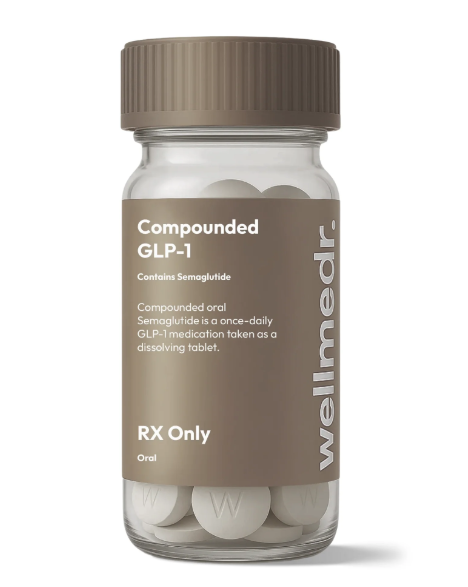
What About Compounded GLP-1 Medications?
Compounded medications are an important area to discuss separately from FDA-approved products.
The FDA states that compounded drugs should generally be considered when a patient's medical needs cannot be met by an FDA-approved drug. The agency has also received reports involving dosing errors and adverse events associated with compounded semaglutide and tirzepatide.
Patients considering a compounded medication should discuss the option directly with their healthcare professional and understand exactly what medication, concentration, dose, and administration instructions they are receiving.
How Long Do People Take GLP-1 Weight-Loss Medication?
The appropriate treatment duration varies.
Weight management is often considered a long-term process, and some people may need ongoing medication if it continues to provide benefits without unacceptable adverse effects. NIDDK also notes that some weight regain may occur after stopping weight-management medication.
Therefore, patients should not stop or change a GLP-1 medication independently. Treatment decisions should be made with the prescribing healthcare professional.
Key Takeaways
- GLP-1 medications influence pathways involved in appetite and blood glucose regulation.
- Semaglutide is a GLP-1 receptor agonist, while tirzepatide acts on both GIP and GLP-1 receptors.
- Certain medications are FDA-approved for chronic weight management in eligible patients.
- GLP-1 treatment works best as part of a broader weight-management program.
- Side effects, drug interactions, medical history, and treatment eligibility should be evaluated before starting therapy.
- Online buyers should use legitimate, appropriately licensed pharmacies and avoid unauthorized sellers.
- Unapproved and fraudulent GLP-1 products can create significant safety concerns.
Conclusion
GLP-1 medications have changed the conversation around prescription weight management by targeting biological pathways involved in appetite, blood glucose, and food intake. Semaglutide and tirzepatide are two widely discussed options, but the appropriate treatment depends on the individual's health profile and medical needs.
Anyone considering GLP-1 medication should focus on medically appropriate treatment rather than simply searching for the lowest price or fastest weight-loss result. A qualified healthcare professional can evaluate eligibility, review potential risks, select an appropriate medication, and monitor progress.
For people considering online treatment, verifying the prescription process and pharmacy is equally important. Safe access begins with appropriate medical evaluation and a legitimate source for prescription medication.