Medical Approaches to Weight Reduction Treatment: Efficacy and Outcomes
-

- September 22nd, 2026
- 76 views

Weight management can be challenging, particularly for people who have struggled to achieve or maintain weight loss through lifestyle changes alone. While healthy eating, regular physical activity, adequate sleep, and behavioural changes remain important foundations of weight management, medical treatments may provide additional support for eligible individuals.
Medical Approaches to Weight Reduction Treatment: Efficacy and Outcomes explores the different medical options available for managing excess weight, how these treatments work, their potential benefits, and factors that can influence outcomes. Understanding these approaches can help patients have informed conversations with qualified healthcare professionals about suitable treatment options.
Understanding Medical Weight Reduction Treatment
Medical weight reduction treatment involves using clinically supervised interventions to support people who are overweight or living with obesity. Treatment may include prescription medicines, structured lifestyle programmes, behavioural support, and, for some individuals, surgical procedures.
The appropriate approach depends on several factors, including body mass index (BMI), existing health conditions, current medications, previous weight-management attempts, lifestyle factors, and individual treatment goals.
Medical treatment should not be viewed as a replacement for healthy lifestyle habits. Instead, appropriate interventions may work alongside dietary and activity changes to support sustainable weight management.
Prescription Medicines for Weight Management
Several prescription medicines may be used as part of medical weight-management programmes. These medicines work through different mechanisms and are prescribed according to individual circumstances.
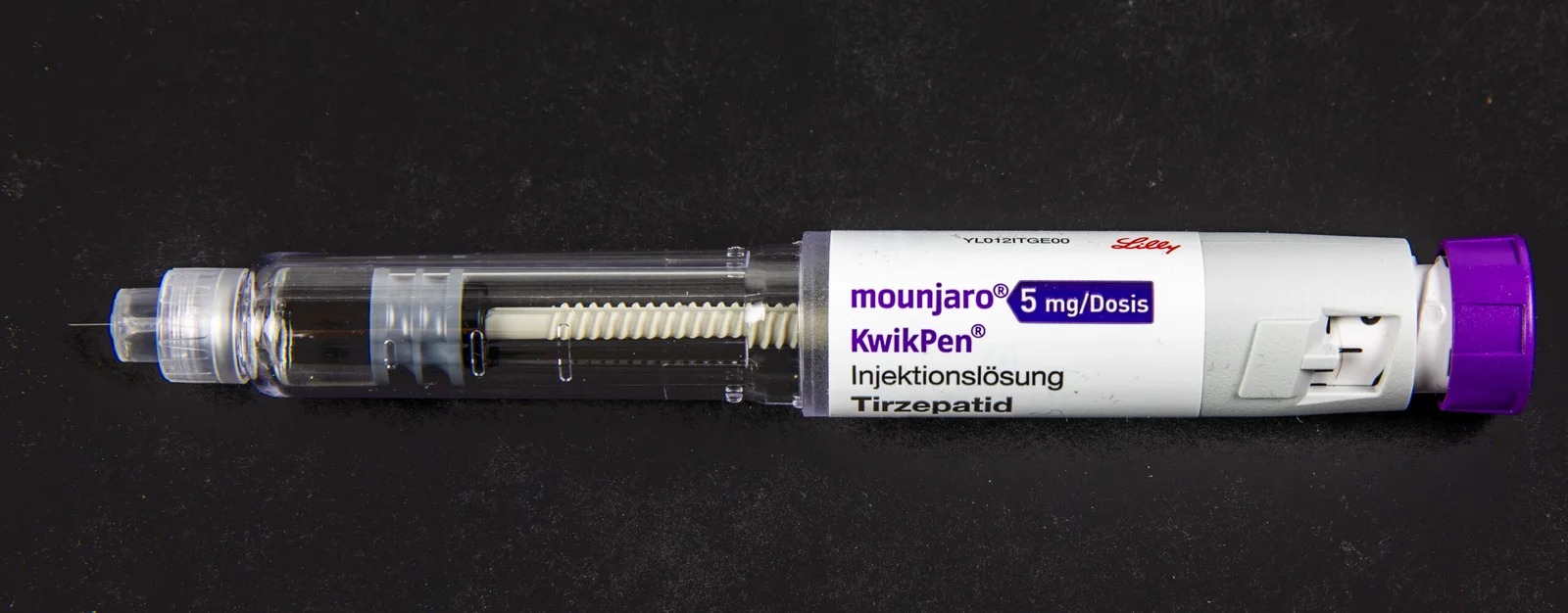
Some newer weight-management medicines act on hormonal pathways involved in appetite and blood glucose regulation. For example, medicines that target glucagon-like peptide-1 (GLP-1) pathways can influence appetite, food intake, and feelings of fullness.
Other medicines may work through different mechanisms, including reducing appetite or affecting the absorption of dietary fat. The choice of medicine depends on factors such as medical history, treatment suitability, possible side effects, and relevant prescribing guidance.
Patients should only use prescription weight-loss medicines following an appropriate medical assessment and prescription from a qualified healthcare professional.
How Weight Management Medicines Work
One reason prescription medicines can assist with weight reduction is their effect on appetite and eating behaviour. Some treatments can increase feelings of fullness and reduce hunger, potentially making it easier for individuals to follow a reduced-calorie eating plan.
Certain medications can also affect how quickly food leaves the stomach or influence hormonal signals associated with appetite and blood glucose regulation.
However, responses vary between individuals. A medicine that works well for one person may provide a different outcome for another. Treatment therefore often requires monitoring and adjustment by a healthcare professional.
Lifestyle Modification and Medical Treatment
Lifestyle modification remains an important part of comprehensive weight management. A balanced diet can help reduce excessive calorie intake while providing essential nutrients. Regular physical activity can support energy expenditure, cardiovascular health, muscle strength, and overall wellbeing.
Behavioural strategies can also be valuable. These may include setting realistic goals, monitoring eating patterns, improving portion awareness, managing triggers for overeating, and developing consistent routines.
When appropriate, medical treatment can be combined with these strategies. This integrated approach may help individuals address both physiological and behavioural factors affecting weight.
Measuring the Efficacy of Weight Reduction Treatment
The effectiveness of weight-management treatment can be assessed in several ways. Body weight and BMI are commonly measured, but they are not the only outcomes that matter.
Healthcare professionals may also consider changes in waist circumference, blood pressure, blood glucose, cholesterol levels, physical activity, quality of life, and obesity-related health risks.
Clinical studies of prescription weight-management medicines have demonstrated that some treatments can produce meaningful average weight reductions in appropriately selected patients. However, results differ depending on the medicine, dosage, duration of treatment, adherence, and individual characteristics.
It is important to distinguish between average results observed in clinical studies and the outcome an individual patient may experience.
Factors That Influence Treatment Outcomes
Several factors can affect the results of medical weight reduction treatment.
Treatment Adherence
Taking medication as prescribed and following professional recommendations can influence outcomes. Missing doses or discontinuing treatment without medical guidance may reduce its effectiveness.
Diet and Physical Activity
A medication does not eliminate the importance of healthy eating and physical activity. Combining medical treatment with sustainable lifestyle habits can support broader health improvements.
Individual Health Factors
Age, genetics, existing medical conditions, hormonal factors, sleep patterns, medications, and psychological factors can influence weight and treatment response.
Duration of Treatment
Weight reduction generally takes time. Some treatments require gradual dose increases, and meaningful changes may develop over several months rather than immediately.
Possible Side Effects and Safety Considerations
Weight-management medicines can cause side effects, and their suitability varies from person to person. Depending on the medication, possible adverse effects may include nausea, vomiting, diarrhoea, constipation, abdominal discomfort, headache, or changes in appetite.
Some medicines have specific contraindications and precautions. Patients should provide their healthcare professional with a complete medical history and details of any medicines or supplements they are taking.
Medical supervision is particularly important because healthcare professionals can monitor response, identify potential complications, review side effects, and determine whether treatment should continue or be changed.
Patients should never purchase or use prescription weight-loss medicines from unreliable sources. Products obtained outside legitimate healthcare and pharmacy channels may be counterfeit, incorrectly dosed, contaminated, or unsuitable for the individual.
Maintaining Weight Loss
Achieving weight reduction is only one part of successful long-term weight management. Maintaining the reduction can be equally challenging.
Some people may regain weight after stopping a medical treatment, particularly if appetite-regulating effects are no longer present. This does not mean that treatment has failed; rather, it highlights the chronic and complex nature of weight management for many individuals.
A long-term management plan can include continued lifestyle support, regular monitoring, and professional review of whether medical treatment remains appropriate.
Medical Weight Management and Health Outcomes
Weight reduction may provide benefits beyond changes on the weighing scales. For people living with obesity, appropriate weight management may help reduce certain health risks and improve metabolic health.
Potential improvements may include better blood glucose control, reduced blood pressure, improved mobility, and improvements in other obesity-associated health measures. The extent of these benefits varies according to the amount of weight lost, baseline health, treatment duration, and individual circumstances.
For this reason, healthcare professionals often consider overall health outcomes rather than focusing exclusively on a target number on the scales.
The Importance of Professional Assessment
There is no single weight-reduction treatment that is appropriate for everyone. A professional assessment can help determine whether medical treatment is suitable and which options may be considered.
During a consultation, a healthcare professional may review weight history, BMI, waist circumference, medical conditions, medications, lifestyle factors, eating patterns, and previous weight-management attempts.
Patients can also discuss expected benefits, possible side effects, treatment duration, monitoring requirements, and what may happen if treatment is discontinued.
Conclusion
Medical Approaches to Weight Reduction Treatment: Efficacy and Outcomes highlights the increasingly diverse options available for people who require medical support with weight management. Prescription medicines, lifestyle modification, behavioural strategies, and specialist interventions may all have a role depending on individual circumstances.
Medical weight reduction treatment should be personalised and professionally supervised. Prescription medicines can provide meaningful benefits for eligible patients, but outcomes vary and treatment should be considered as part of a broader long-term approach to health.
The most appropriate treatment plan should be developed with a qualified healthcare professional who can assess individual needs, explain available options, monitor progress, and address potential risks. With appropriate support and realistic expectations, medical weight management can form an important component of a comprehensive approach to improving health and wellbeing.