How Long Does Welding Certification Take?
-

- September 19th, 2026
- 1,817 views
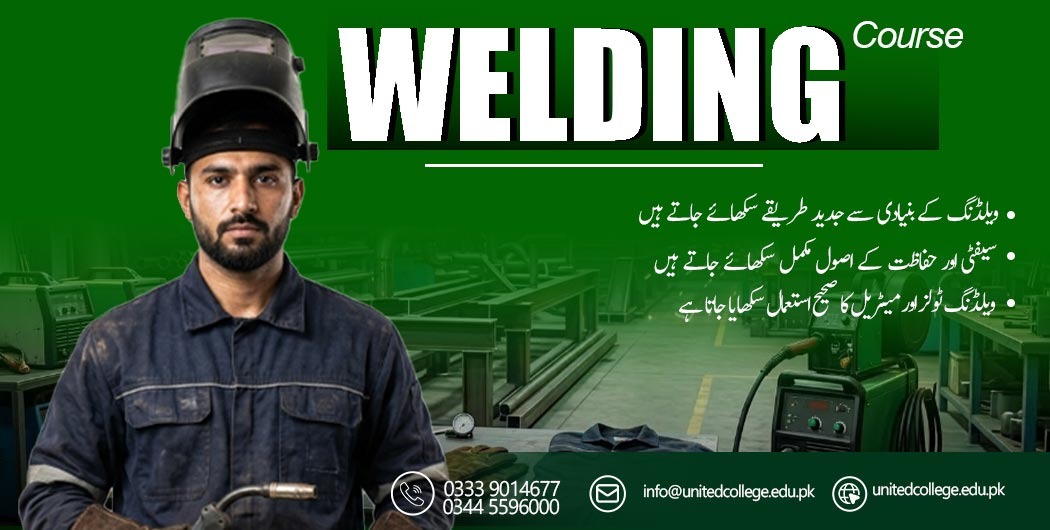
Learning a skilled trade can open the door to exciting career opportunities, and welding is one of the most practical choices for students and career changers. However, one common question beginners ask is: How long does welding certification take? The answer depends on the type of welding you want to learn, the training program you choose, your previous experience, and the certification requirements. Some students can complete basic training in a few weeks, while advanced programs may take several months. Understanding the timeline before enrolling can help you choose the right program and prepare for a successful welding career.
What Determines the Time Needed for Welding Certification?
There is no single timeline for every welding certification program. Training providers offer different course lengths based on the skills and welding processes covered. A beginner-level course may focus on basic safety, equipment handling, and simple welding techniques. More advanced programs may cover processes such as MIG, TIG, and Stick welding along with blueprint reading and practical testing. Your learning speed also matters. Students who regularly practice in a workshop may develop their skills faster than those with limited practice time.
Can You Complete Welding Training in a Few Weeks?
Yes, some basic welding programs can be completed within a few weeks. These short courses are usually designed for beginners who want to understand fundamental welding techniques quickly. During a short program, students may learn how to operate welding equipment, prepare materials, follow safety procedures, and perform basic welds. However, completing a short course does not automatically mean you are prepared for every professional welding job. Employers may expect practical experience and the ability to pass a specific welding test. A short welding certification course can therefore be a good starting point, especially for students who want to enter the trade quickly.
How Long Does a Standard Welding Course Usually Take?
A standard welding course can take anywhere from a few weeks to several months. The exact duration depends on the curriculum and the number of welding processes included. Beginner programs generally spend more time developing hands-on skills. Students practice different joints, positions, materials, and welding techniques under instructor supervision. If a program includes several welding processes, the training period may be longer. This extra time can be valuable because professional welders often need to work with different equipment and materials. For students seeking a strong foundation, a longer welding certification program may provide better preparation for employment.
Does Advanced Welding Training Take Longer?
Advanced training usually requires more time because it involves more technical skills and demanding practical work. Experienced welders may pursue additional training in TIG welding, pipe welding, structural welding, or other specialized areas. These programs can require extensive workshop practice before students are ready for an assessment. Advanced welding certification may also involve testing a welder's ability to produce acceptable welds under specific conditions. The more specialized your career goal is, the more training and practice you may need.
How Much Time Should Beginners Spend Practicing?
Classroom learning is only one part of becoming a skilled welder. Practical practice is equally important. Beginners need time to become comfortable with welding machines, electrodes, shielding gases, protective equipment, and different welding positions. Repeated practice helps improve accuracy and consistency. Students should focus on quality rather than simply completing a certain number of hours. A person who understands why a weld fails can improve much faster than someone who only repeats the same process. Good practice can make the welding certification process easier because students become more confident when performing practical tests.
Does Previous Experience Make Certification Faster?
Previous experience can reduce the amount of training you need, depending on the program and certification requirements. Someone who has already worked with welding equipment may understand basic concepts such as arc control, material preparation, and workshop safety. A complete beginner may need additional time to develop these skills. However, previous experience does not always replace formal testing. Certification organizations or employers may require candidates to demonstrate their skills through a practical examination. Before enrolling, ask the training provider whether experienced students can receive advanced placement or take an assessment before starting the full course.
What Happens During a Welding Certification Program?
A professional welding certification program usually combines theoretical learning with practical workshop training. Students may learn about welding safety, machine setup, material preparation, welding symbols, basic metallurgy, and proper working techniques. The practical portion allows students to create different types of welds and correct common problems. Instructors can identify issues with technique and help students improve. This combination of theory and practice is important because professional welding requires both knowledge and technical ability.
How Long Does the Certification Test Take?
The certification test itself may take much less time than the training required to prepare for it. The testing period depends on the certification, welding process, material, thickness, position, and testing requirements. Candidates may need to complete a practical weld that is later inspected or tested according to the applicable standard. Some assessments can be completed in a single session, while others may involve additional testing procedures. Therefore, when planning your welding certification, consider both the preparation period and the actual examination.
What Can Delay Your Welding Certification?
Several factors can increase the time required to complete your training. Limited workshop practice is one of the most common reasons. Students who attend classes but rarely practice may need more time to become confident. Other factors include difficulty understanding welding techniques, missing classes, equipment availability, and failing a practical test. A failed test does not mean you cannot become certified. It simply means you may need additional practice before attempting the assessment again. Choosing a well-organized training program and maintaining regular practice can help reduce unnecessary delays.
How Can You Finish Welding Training Faster?
Finishing quickly should not mean rushing through important skills. The best approach is to learn efficiently while maintaining safety and quality. Attend every training session, practice consistently, listen carefully to instructors, and review mistakes after each practical session. You should also learn the correct use of personal protective equipment and follow workshop safety rules. Good safety habits are essential for anyone entering the welding profession. If your goal is to complete welding certification efficiently, choose a course that provides sufficient hands-on training rather than focusing only on a short completion time.
Is Online Welding Training Enough for Certification?
Online learning can be useful for understanding welding theory, safety concepts, terminology, and basic principles. However, welding is a hands-on trade. Watching videos cannot replace actual workshop practice. Students need to physically operate welding equipment and develop control over the welding process. For this reason, anyone planning professional welding certification should look for a program that includes practical training and appropriate assessment. Online resources can support your education, but practical experience remains essential.
Which Welding Skills Should You Learn Before Testing?
Before taking a certification test, students should be comfortable with the welding process required by their chosen program. They should understand equipment setup, material preparation, joint design, welding positions, heat control, and basic defect identification. Safety knowledge is also critical. A skilled welder must know how to protect themselves and others from sparks, fumes, heat, electrical hazards, and other workplace risks. Building these skills before testing can increase your confidence and improve your chances of successfully completing welding certification.
Why Hands-On Practice Can Save You Time?
Hands-on practice is one of the fastest ways to improve welding ability. It allows students to recognize problems that are difficult to understand from theory alone. For example, an instructor can immediately point out problems with travel speed, electrode angle, arc length, or heat control. Regular workshop practice also helps students develop muscle memory. Over time, movements become more controlled and consistent. This preparation can make the welding certification assessment less stressful and help students approach their test with greater confidence.
What Career Opportunities Come After Certification?
Completing welding certification can help demonstrate your technical knowledge and practical abilities to potential employers. Depending on your skills and experience, you may pursue opportunities in construction, manufacturing, fabrication, automotive work, maintenance, shipbuilding, or other industries that require welding professionals. Your career options can expand as you gain experience and additional qualifications. Specialized skills may also help you qualify for more technical welding positions. Certification is therefore not necessarily the end of your training. It can be the beginning of continued professional development.
Choose the Right Training Path for Your Welding Career
So, how long does welding certification take? For many students, the answer can range from several weeks to several months. The exact timeline depends on the course structure, welding process, practical training, previous experience, and testing requirements. If you are completely new to welding, focus on finding a program that gives you strong practical skills rather than choosing a course simply because it is short. A quality welding certification program should help you understand safety, equipment operation, welding techniques, and practical testing requirements. With consistent practice and proper instruction, you can build the confidence needed to enter the welding field and continue developing your skills throughout your career.
Build Your Future With Professional Welding Skills
Welding is a valuable technical skill that can lead to opportunities in many industries. The time required for welding certification is an investment in your knowledge, practical ability, and career development. Whether you are starting from zero or already have workshop experience, selecting the right training program can make a major difference. Focus on practical learning, safety, quality, and continuous improvement. With the right preparation, your welding certification can become an important step toward a successful and rewarding future in the skilled trades.