Best UK Universities for an MBA in HR: Rankings, What to Look For, and How to Choose
-

- Published Updated
- 383 views
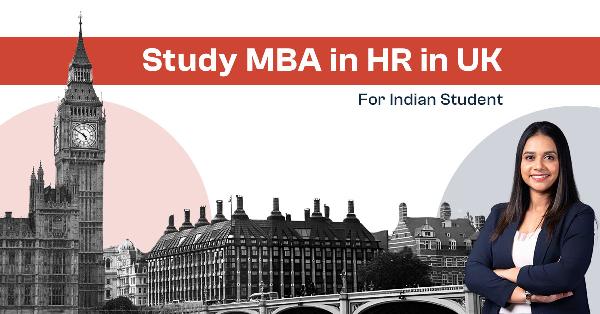
Choosing where to study an MBA in HR in the UK depends on program focus, accreditation, employer links, and career outcomes. This guide compares top universities, explains trade-offs, and provides a practical checklist to select the best fit for a human-resources-focused MBA.
Quick summary: This article lists leading UK providers for HR-focused MBA study, explains evaluation criteria (specialization, accreditation, networks, outcomes, cost), presents the HR MBA SCORE checklist, and offers practical tips and common mistakes to avoid when applying.
Top universities for an MBA in HR in the UK
Ranking MBA programs for HR requires comparing learning outcomes, HR specialization options, accreditation, and employer connections. Below are commonly cited universities and what each typically offers for students targeting human resource management MBA UK pathways. These are examples to compare program features, not an absolute ranking.
Leading UK institutions (features to compare)
- University A — Known for HR strategy modules, strong corporate links, and executive HR electives.
- University B — Emphasis on organizational psychology and analytics applied to people decisions.
- University C — Strong alumni network in finance and consulting with HR-management electives.
- University D — Flexible executive MBA structure for working HR professionals and professional accreditation options.
- University E — Research-led faculty with a focus on employment law, diversity, and international HR.
How to read these comparisons
Use the checklist below to map program strengths to career goals: some programs excel at strategic HR leadership and change management, while others emphasize HR analytics and operational HR practices.
How to evaluate human resource management MBA UK programs
Key criteria to compare
- Specialization and curriculum: HR strategy, employment law, talent analytics, organizational development.
- Accreditation and recognition: AACSB, AMBA, EQUIS, and professional HR bodies that support professional credentials.
- Career outcomes and placement: average salaries, HR-specific employer recruiters, and alumni progression into HR leadership roles.
- Industry connections and internships: access to HR placements, consultancy projects, or CIPD-aligned learning opportunities.
- Format and flexibility: full-time, part-time, modular, or executive options tailored for mid-career HR professionals.
Trust and professional alignment
Professional standards matter for HR careers. Look for programs with routes to professional bodies and competency frameworks; for example, the Chartered Institute of Personnel and Development supports HR professional development and publishes guidance on capability frameworks (CIPD).
HR MBA SCORE checklist (named framework)
The HR MBA SCORE checklist is a practical framework to evaluate programs quickly:
- Specialization: Does the curriculum include HR strategy, talent analytics, or organizational behavior?
- Connections: Are there corporate partners, HR mentorship programs, or active alumni in HR leadership?
- Outcomes: What are graduate career paths, HR-specific placement stats, and salary ranges?
- Recognition: Program accreditations and alignment with HR professional bodies (e.g., CIPD).
- Economics & entry: Tuition, scholarships, executive formats, and entry requirements in relation to expected ROI.
Applying the SCORE checklist (short example)
Scenario: A mid-career HR manager based in Manchester seeks promotion to HR director within five years. Using SCORE: prioritize Specialization in strategic HR and change management, Connections with national employers, Outcomes showing alumni rising to director roles, Recognition (CIPD pathways), and Economics by comparing executive-format costs and employer sponsorship.
Practical tips for applicants
- Confirm HR content: Request the module list and check how many credits are HR-specific versus general management.
- Check accreditation: Verify business school accreditations and any formal links to HR professional bodies.
- Speak with alumni: Reach out via LinkedIn to alumni who moved into HR leadership to learn about real outcomes.
- Assess format fit: Choose a format that matches career timing—full-time for early-career pivot, executive for sponsored progression.
- Plan finances: Compare total cost and financial aid options, then estimate break-even using likely salary progression.
Common mistakes and trade-offs
Trade-offs are common when selecting an MBA for HR. Choosing the program with the highest brand name may give broader recruiter access but not the deepest HR coursework. Conversely, a niche HR program might offer stronger technical HR skills but fewer general management electives or smaller alumni networks. Common mistakes include:
- Assuming all MBAs equally prepare for HR leadership—curricula can differ widely.
- Over-emphasizing rankings without checking HR-specific outcomes and employer relationships.
- Neglecting format: a full-time program may require leaving a job, harming continuity in HR career momentum.
Short real-world decision scenario
An early-career recruiter aiming to move into HR business partnering compared two programs: one with robust HR analytics modules but fewer leadership electives, and another with strong leadership coaching but limited analytics. After mapping career goals, the recruiter chose the analytics-heavy program because the target employers prioritized data-driven talent decisions—then supplemented leadership skills through short executive courses and on-the-job stretch assignments.
Core cluster questions
- How to choose an MBA specialization for a career in HR?
- What are typical entry requirements for HR-focused MBA programs in the UK?
- Which MBA format (full-time, part-time, executive) is best for HR professionals?
- How much do HR MBA programs in the UK typically cost and what are funding options?
- What HR career outcomes can graduates expect from different MBA tracks?
Final checklist before applying
- Map program modules against the HR MBA SCORE checklist.
- Verify accreditations and employer relationships.
- Request alumni outcome data and recent HR placement examples.
- Confirm format matches career stage and employer sponsorship options.
- Review visa, relocation, and part-time work rules if applicable to international applicants.
FAQ
Is an MBA in HR in the UK worth it?
An MBA in HR in the UK can be worth it if the program aligns with career goals—especially for roles that require both strategic leadership and HR domain skills. Evaluate return on investment by comparing program costs, likely salary progression, and the strength of employer networks for HR roles.
What is the difference between an HR-focused MBA and an MSc in Human Resource Management?
An HR-focused MBA typically combines HR content with broader leadership, strategy, and finance modules, while an MSc in Human Resource Management often focuses more deeply on HR theory, employment law, and technical HR competencies. Choice depends on whether the goal is strategic leadership (MBA) or technical HR specialization (MSc).
How should international students evaluate UK MBA programs for HR?
International applicants should check accreditation, visa and work-permit implications, alumni placement into international HR roles, and whether the program includes global HR modules or international internships.
How long does it take to see career benefits after graduating from a UK HR MBA?
Career benefits vary by individual circumstances; many graduates report measurable role changes or promotions within 12–36 months if the program provides strong employer links and the graduate leverages networks and applied projects to demonstrate HR leadership impact.
What are common funding options for an MBA in HR in the UK?
Funding options include employer sponsorship, scholarships from the university, government loans where eligible, and private loans. Compare total cost versus expected salary uplift and consider part-time or executive formats that allow continued employment during study.