Best Shade of White for Garage: How to Choose the Right White
-
- Published Updated
- 698 views
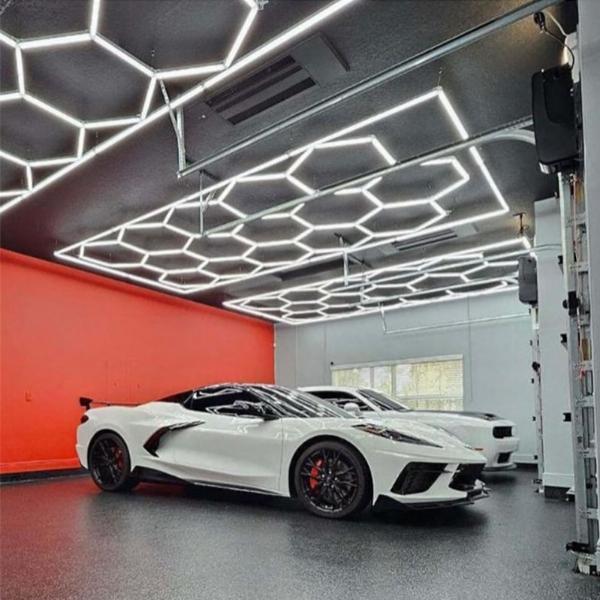
Choosing the best shade of white for garage walls and ceilings makes the space brighter, cleaner-looking, and more functional. This guide explains how to pick a white based on lighting, surface type, undertones, and practical needs like hiding dirt and reflecting light. Follow the 3C Garage White Selection Checklist and use the quick test method to avoid common mistakes.
- Detected intent: Procedural
- Primary concern: balance reflectance (LRV) with undertone to avoid clinical or yellowed finishes
- Use mid- to high-LRV whites (LRV ~65–85) for most garages; choose warmer or cooler whites based on lighting
- Checklist: Count light, Consider undertone, Choose finish (3C Garage White Selection Checklist)
best shade of white for garage
Start by identifying the space’s lighting and primary uses. The best shade of white for garage will depend on natural light, artificial lighting (LED vs fluorescent), wall material (drywall, block, metal), and whether the goal is to maximize brightness, hide grime, or create a neutral backdrop for work. Keep in mind surface reflectivity, paint finish, and undertone when selecting samples.
How to decide: key factors to evaluate
1. Light levels and direction
Measure how much natural light the garage receives: north-facing, south-facing, or no windows. Natural light with high daylight color temperature favors warmer whites to avoid a blue cast. For dim garages, choose a higher light reflectance white (LRV ≈ 75–85) to increase perceived brightness.
2. Light Reflectance Value (LRV)
LRV quantifies how much visible light a paint color reflects. For most garages, aim for an LRV between 65 and 85—bright but not glaring. For technical background reading on LRV and testing methods, see this paint industry guide about Light Reflectance Value.
3. Undertone: warm, cool, or neutral
Undertones (yellow, pink, blue, green) show up under certain lights. Choose a neutral or slightly warm white if the garage stores vehicles or tools; very cool whites can look clinical and reveal grime. If LED lighting with a cool color temperature is used, a warm-leaning white will balance the space.
4. Surface type and finish
Concrete block or textured walls absorb more light—use a higher LRV white. For painted drywall, eggshell or satin finishes hide scuffs while reflecting enough light. Semi-gloss works well on trim and doors for durability but can highlight surface imperfections on walls.
3C Garage White Selection Checklist (framework)
Use this named checklist to evaluate options before buying gallons:
- Count light: note window size, direction, fixture type, and color temperature.
- Consider undertone: compare swatches under the garage’s actual lighting at day and night.
- Choose finish: decide between eggshell/satin for walls and semi-gloss for trims/doors.
Practical selection steps (step-by-step)
- Pick three candidate whites with LRVs in the 65–85 range and different undertones.
- Paint 12"x12" test patches on each wall and observe across a full day cycle and with garage lights on.
- Assess how each sample hides dirt and reflects light; select the white that meets brightness and maintenance goals.
- Confirm finish: choose satin or eggshell for washability and reduced sheen.
Real-world example
An attached two-car garage with a south-facing window had dim corners under its cool-white LED fixtures and concrete block walls. The selected white had an LRV of 78 and a subtle warm undertone; eggshell finish on walls and semi-gloss on door trim was applied. Result: perceived brightness increased and vehicle dust was less obvious than on a pure cool white.
Practical tips
- Always test paint samples on the actual wall and observe at different times—lighting changes color perception more than most expect.
- Match white undertones across walls, trim, and ceiling to avoid a patchy look—use the same base color if possible with different sheens.
- Use higher LRV on ceilings (80–90) to maximize upward reflection; a slightly cooler ceiling white can make the space feel taller.
- Choose washable finishes and consider a clear epoxy floor coat to reduce dirt contrast against white walls.
Common mistakes and trade-offs
Common mistakes
- Picking colors from a swatch card without testing—small samples can look very different full-sized.
- Ignoring undertones—a white that looks clean in the store may appear yellow or blue in the garage.
- Choosing ultra-high LRV whites that show every scuff and imperfection.
Trade-offs
Higher LRV whites boost brightness but show dirt and imperfections more readily. Warmer whites hide dust better but can slightly reduce perceived crispness. Semi-gloss finishes are durable but emphasize surface texture; eggshell balances durability and forgiving appearance.
Related resources and cluster questions
Use these core cluster questions as follow-ups or internal link targets for more depth:
- How does light reflectance value affect garage brightness?
- Which white paint undertones hide dirt in a garage?
- What finish (eggshell, satin, semi-gloss) is best for garage walls?
- How to test paint samples in a garage before buying?
- Can a ceiling white improve perceived height in a garage?
Maintenance and long-term tips
Schedule an annual wipe-down of white walls, use stain-resistant primers where vehicle grease is common, and touch up scuffs with leftover paint. For heavily used workshops, consider a two-tone approach—white upper walls and a darker durable lower zone to hide contact wear.
FAQ
What is the best shade of white for garage to maximize brightness?
For maximum brightness choose a white with an LRV between 75 and 85 and a neutral or slightly warm undertone; pair with an eggshell or satin finish to reduce glare while maintaining washability.
How do undertones affect white paint in a garage?
Undertones (warm or cool hints) interact with the garage’s lighting. Cool LEDs emphasize blue undertones; warm natural or incandescent light emphasizes yellow. Neutral or slightly warm whites typically balance across light types and hide dirt better.
Is a high-LRV white a good choice for concrete block walls?
Yes—textured or absorbent surfaces benefit from higher LRV whites (75–85) to offset light loss, but consider a slightly warmer tone to avoid a sterile feel and a durable finish to handle cleaning.
Should the garage ceiling be a different white than the walls?
A slightly higher-LRV ceiling white (80–90) helps reflect light downward and makes the space feel taller; keeping undertones consistent avoids an uneven appearance.
How to test and confirm the right white before painting?
Apply 12"x12" test patches of candidate whites on multiple walls, observe at different times and with garage lights on/off, and check how each hides dirt and reflects light. Use the 3C Garage White Selection Checklist to confirm the choice.