When Is Fixing a Bike Worth It? A Practical Guide to Repair or Replace
-

- Published Updated
- 1,590 views
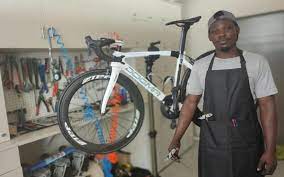
Deciding whether fixing a bike is worth the time, effort and expense requires weighing repair costs, the bike's condition and intended use. This guide explains how to assess common problems, estimate value, and choose between a repair, a partial upgrade or buying a replacement.
- Compare repair cost to the bike's current market value and expected future use.
- Prioritize safety-related repairs (brakes, tires, frame integrity) over cosmetic fixes.
- DIY repairs can reduce cost but require tools and basic skills; shops provide diagnosis and warranty.
- Consider environmental impact and sentimental value when deciding to repair.
When fixing a bike makes sense
Fixing a bike is often worthwhile when the repair cost is a modest fraction of the bike's replacement value and the frame, wheels and major components are in sound condition. Basic maintenance—flat repairs, brake pad replacement, derailleur adjustment and chain replacement—typically restores performance and safety at relatively low cost. For commuters and recreational riders, repairs that keep a bike reliable and safe generally represent good value.
Assess the bike's condition
Frame and structural integrity
Check the frame for cracks, bent tubes or severe corrosion. Frame damage, especially on steel, aluminum or carbon fiber frames, can be expensive or impossible to repair safely. A structurally compromised frame is a clear sign that replacement should be considered rather than repair.
Wheels and hubs
Minor wheel issues such as a slightly untrue rim can be trued for a modest fee. However, severely damaged rims, broken spokes in large numbers, or worn-out hub bearings increase repair costs and may push the decision toward replacement.
Drivetrain and wear
Measure chain wear with a chain checker or examine teeth on chainrings and cassette. Chains and cassettes wear together; replacing a chain alone on a heavily worn cassette can lead to poor shifting and accelerated wear. Replacing drivetrain components can be moderate to costly depending on compatibility and whether multiple parts must be swapped.
Estimate costs and compare value
Obtain a diagnosis and parts estimate from a local shop or use online guides to price parts. Typical cost ranges (varies by region and bike type):
- Tube or tire replacement: low
- Brake pad or cable replacement: low to moderate
- Chain replacement: low to moderate
- Wheel truing or hub service: low to moderate
- Cassette or derailleur replacement: moderate to high
- Frame repair or carbon repair: high or not recommended
Compare the total estimated repair cost to the bike's current resale or replacement value. A common rule of thumb is not to spend more than 30–50% of the bike's value on repairs unless there is a compelling non-financial reason (sentimental value, custom fit, or high-quality frame).
Service options: DIY vs professional
DIY repairs
Many routine tasks—fixing flats, adjusting brakes, lubing and replacing chains—are achievable with basic tools and instructions. DIY saves labor cost but requires time, space and willingness to learn. Official maintenance guides and community workshops can reduce the learning curve; however, major repairs and inspections are best handled by trained mechanics.
Professional service
Local bike shops provide trained diagnostics, correct tools, and a warranty for work. Shops are recommended for complex issues (wheel building, hydraulic brake service, carbon repair assessment) and for riders who rely on the bike for commuting or safety-sensitive uses.
Other factors to consider
Safety and reliability
Safety-related repairs should take priority over cosmetic or performance-only upgrades. Worn brakes, cracked tires, or compromised frames present a risk and usually justify repair or replacement immediately.
Environmental impact
Repairing a bike extends its life and reduces waste compared with buying new. For many riders, sustainability is an important factor when balancing cost versus replacement.
Sentimental and custom fit value
High-quality frames, bikes with custom fitting, or models with sentimental value may be worth repairing even if costs approach replacement, because comfort and personal fit are difficult to replicate with a new purchase.
Where to find trustworthy guidance
For safety recalls, consumer alerts and official safety guidance, refer to government and regulatory bodies such as the U.S. Consumer Product Safety Commission. For technical standards and repair manuals, consult professional cycling organizations and accredited training sources.
Official resources can help identify recalls, recommended inspection intervals and safety notices. See the U.S. Consumer Product Safety Commission for bicycle safety information: U.S. Consumer Product Safety Commission (CPSC).
Decision checklist before repairing
- Is the frame structurally sound?
- Are the necessary repairs safety-related or cosmetic?
- How does repair cost compare to current market value?
- Are compatible replacement parts available and affordable?
- Will the repair restore reliability for intended use (commute, long rides, off-road)?
- Does sentimental value or custom fit justify a higher repair budget?
When replacement is the better option
Replacement is often the best choice when the frame is damaged, repairs exceed the bike's value, or multiple major components need replacement. New bikes may offer modern standards (disc brakes, wider tires, improved ergonomics) that better match current needs. For frequent riders who rely on consistent performance, investing in a newer bike can be more cost-effective over the long term.
Frequently asked questions
Is fixing a bike worth it compared with buying new?
Fixing is typically worth it when repairs restore safety and performance at a lower cost than a replacement and when the frame and wheels are in good condition. If repair costs approach or exceed the bike's market value, replacement is often more economical.
How much should be spent on repairs?
As a guideline, avoid spending more than 30–50% of the bike's value on repairs unless there are non-financial reasons to keep it. Obtain a professional estimate and compare it to local resale values for similar models.
What are the most important repairs to prioritize?
Prioritize repairs that affect safety and rideability: brakes, tires, wheel integrity, and anything indicating frame compromise. Cosmetic or performance-only upgrades can wait.
Can old bikes be upgraded instead of replaced?
Upgrading components (wheels, groupset, saddle) can extend useful life and improve performance. Compatibility and cost should be evaluated; sometimes upgrades exceed the value of a newer complete bike.
How to decide between DIY and professional repair?
Choose DIY for simple maintenance and when comfortable with tools; choose a professional for complex work, safety-critical systems, or when a warranty on labor is desired.
Is fixing a bike a sustainable choice?
Repairing and maintaining a bike reduces waste and conserves resources, making it a more sustainable option compared with replacing and disposing of a bike.