When to Schedule Tree Trimming Services: Seasonal Guide and Safety Tips
-

- February 23rd, 2026
- 1,335 views
Choosing the right time for tree trimming services affects tree health, property safety, and long-term maintenance costs. Timing depends on species, local climate, storm season, and whether the work is for safety, clearance, or aesthetic shaping.
- Late winter to early spring is often best for many deciduous trees (dormant pruning).
- Avoid heavy pruning during spring leaf-out and peak growth for flowering trees.
- Electric utility clearance and storm-damage work may require immediate attention and permits.
- Use a certified arborist for structural pruning, pest or disease concerns, and mature trees.
Best time to schedule tree trimming services
For general maintenance, many professionals recommend late winter to early spring as the best window for tree trimming services. Pruning during dormancy reduces stress, improves wound callus formation in many species, and makes branch structure easier to see.
Seasonal considerations and when to avoid pruning
Late winter to early spring (dormant season)
Dormant-season pruning is common for deciduous trees. Benefits include clearer visibility of structure, less foliage to clean up, and reduced insect activity. This timing is often preferred for shaping, structural pruning, and corrective cuts.
Late spring to summer
Avoid heavy cuts during spring leaf-out for most trees because vigorous new growth can follow, and flowering trees might lose blooms if pruned at the wrong time. Summer pruning can be used for light shaping, crown thinning, or to reduce weight on overextended branches, but larger cuts may increase stress and sap loss.
Fall
Fall pruning is generally discouraged for many species because wounds may not close before dormancy and fall cuts can attract insects or pathogens. However, removal of hazardous or storm-damaged limbs may be necessary regardless of season.
Evergreen species
Evergreens often respond differently than deciduous trees. Light pruning is best done in late winter or early spring before strong new growth, but timing varies by species. Consult species-specific guidance for pines, spruces, and firs.
Reasons to trim outside the usual season
Hazard reduction and storm damage
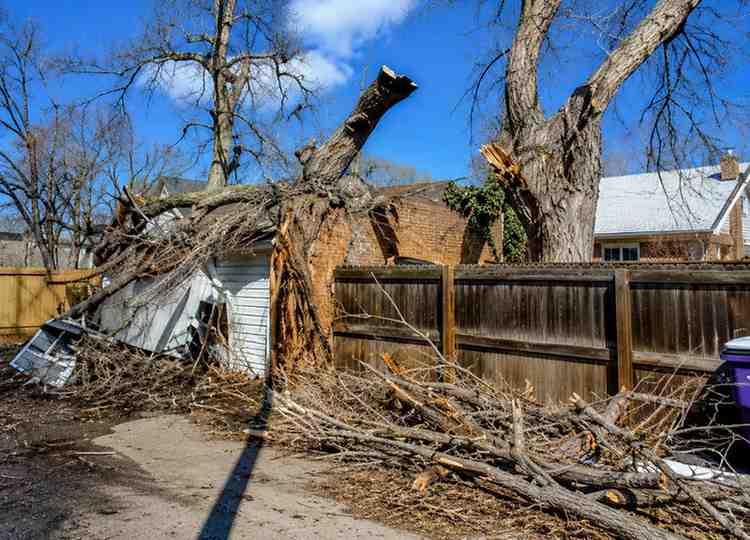
Immediate trimming or removal is warranted for hazardous limbs, fallen trees, or branches threatening structures, power lines, or people. Emergency work should be prioritized regardless of season and may require coordination with utility companies.
Utility clearance
Vegetation near power lines often follows strict safety schedules and local utility rules. Utility companies and municipal codes may set required clearance intervals that supersede preferred horticultural timing.
Pest, disease, and safety concerns
Active infestations or disease outbreaks can require targeted pruning or removal to prevent spread. Work that reduces hazards to the public should be handled promptly and by trained crews to limit risk.
How species and tree condition affect timing
Flowering trees
Flowering trees that bloom in spring usually set buds on old wood; pruning after flowering preserves blooms. Trees that bloom in summer can often be pruned in late winter without losing flowers.
Mature or veteran trees
Mature trees require specialized assessment. Structural pruning by a certified arborist helps reduce failure risk while protecting long-term vitality. Over-pruning can cause decline, so conservative cuts are recommended.
Permits, regulations, and professional credentials
Many municipalities regulate tree work in public spaces, heritage trees, or trees above a certain size on private property. Utility-related trimming often follows state and local safety codes. For complex or large-scale jobs, seek professionals with credentials such as ISA certification and compliance with local permitting. The International Society of Arboriculture provides consumer guidance and resources for hiring a qualified arborist: treesaregood.org.
Choosing a contractor and safety practices
Ask about qualifications
Look for licensed businesses (where required), proof of insurance, references, and arborist certification. Confirm written estimates that list scope of work, cleanup, and disposal. For work near utilities or roofs, verify experience with similar projects.
On-site safety and methods
Safe pruning follows arboricultural standards such as correct pruning cuts at the branch collar, avoiding flush cuts, and not leaving stubs. Proper rigging, fall protection, and traffic control minimize risks to workers and property.
Long-term maintenance planning
Create a multi-year pruning plan prioritizing structural health, hazard reduction, and desired form. Regular, modest pruning is often healthier and more cost-effective than infrequent major removals. Keep records of past work, species responses, and any pest or disease treatments.
When to consult an expert
Engage a certified arborist for complex canopies, large trees, suspected disease, or when structural decisions (crown reduction, cabling, bracing) are needed. Professionals can provide risk assessments, species-specific advice, and permit assistance.
Costs and budgeting
Costs vary by tree size, access, complexity, and urgency. Comparing multiple written estimates and confirming insurance coverage helps avoid unexpected expenses. Budget for periodic maintenance rather than deferred emergency removals when possible.
Environmental and local considerations
Native species, nesting seasons, and local ordinances can affect timing. Many regions protect nesting birds under wildlife regulations; time pruning to avoid nesting season where applicable.
Conclusion
Optimal timing for tree trimming services depends on tree species, local climate, and the reason for pruning. Dormant-season pruning is often best for many deciduous trees, but hazardous conditions, utility clearances, pests, and municipal rules can require work outside that window. Use certified professionals and check local regulations and utility requirements before scheduling significant tree work.
When should I schedule tree trimming services?
Schedule routine trimming in late winter to early spring for many deciduous species; plan around flowering times for ornamental trees; and prioritize immediate work for hazards, storm damage, or utility conflicts. Consult a certified arborist and local regulations for site-specific advice.
How does pruning affect tree health?
Appropriate pruning removes dead or crossing branches, reduces weight on vulnerable limbs, and directs growth. Improper or excessive pruning can stress trees, increase susceptibility to pests and disease, and shorten lifespan.
Do pruning rules differ near power lines or public property?
Yes. Utility companies and municipal authorities often have specific clearance standards and permit requirements. Coordinate with the responsible agency before trimming near infrastructure to ensure compliance and safety.
How often should routine pruning be done?
Small young trees may need minimal pruning every 1–3 years to develop structure; mature trees typically benefit from inspection and lighter maintenance every 3–5 years, depending on species and site conditions.
Can pruning reduce storm damage risk?
Strategic pruning that reduces weight, removes damaged limbs, and improves structure can lower the probability of branch or crown failure during storms, but it does not make trees immune to extreme weather.