Why Choosing OEM Parts for Auto Body Repairs Matters for Safety and Value
-

- Published Updated
- 1,675 views
Introduction
Using OEM parts for auto body repairs is a common recommendation from vehicle manufacturers and repair professionals. Choosing original equipment manufacturer (OEM) components can affect vehicle fit, structural integrity, and long-term performance after a collision. This article explains the practical differences between OEM and aftermarket parts, how they relate to safety and warranty issues, and how to verify that a repair uses the intended components.
- OEM parts are made to the vehicle manufacturer's specifications and often match original fit and finish.
- Safety, corrosion resistance, and structural fit can differ between OEM and aftermarket parts.
- Insurance, warranty rules, and state repair standards may influence parts choices.
- Verification methods include VIN lookup, parts catalogs, and supplier documentation.
OEM parts for auto body repairs: what they are and why they matter
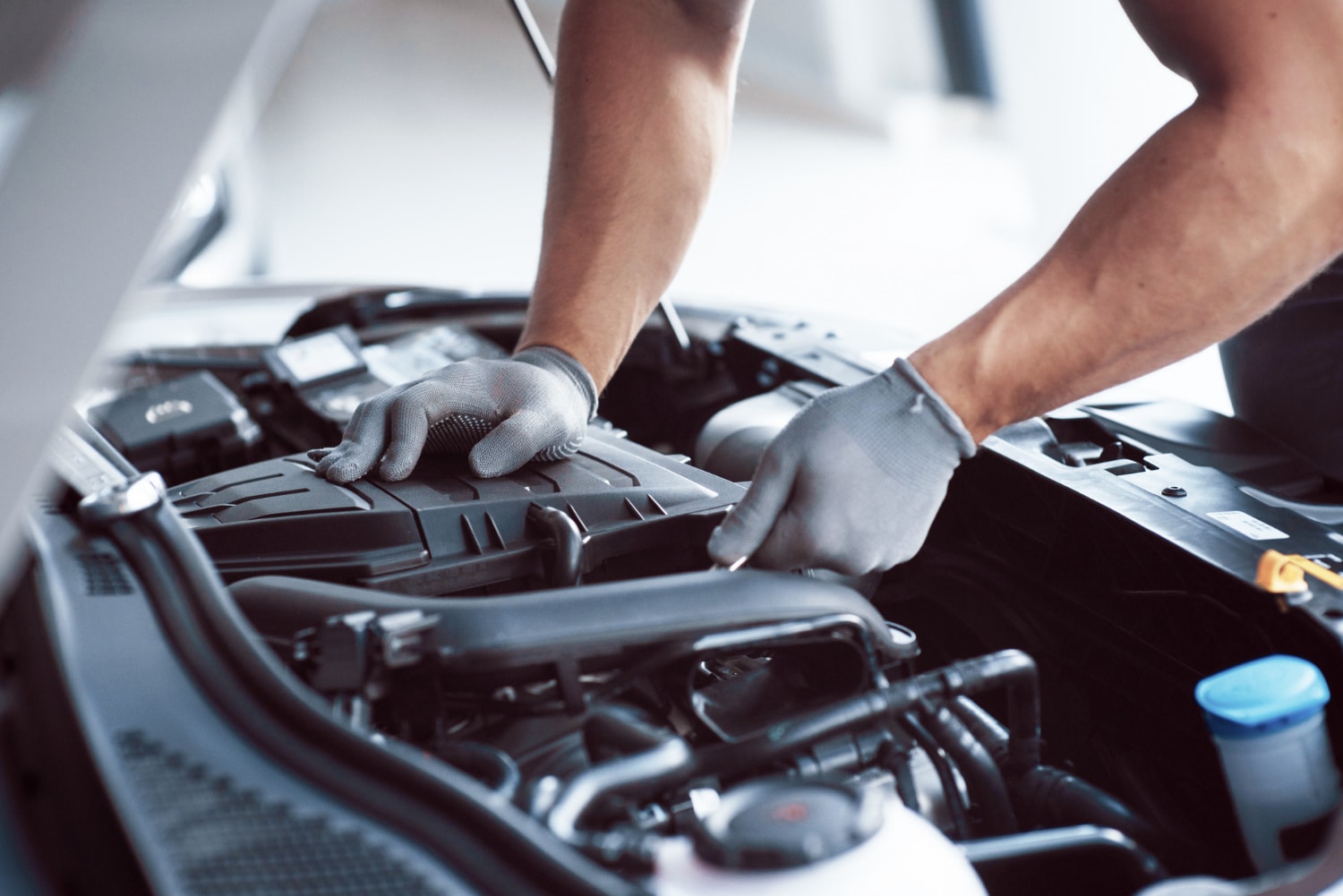
An OEM part is produced by the company that supplied parts to the vehicle as it was assembled, or by a contracted supplier fulfilling the vehicle manufacturer's specifications. For auto body repairs, OEM parts typically match the original panel shapes, mounting points, paint primer layers, and corrosion protections used during assembly. These characteristics can influence alignment, crash energy management, and the appearance of the repaired vehicle.
Safety and fit: how OEM parts affect vehicle performance
Crashworthiness and structural fit
Body panels, bumper reinforcements, and structural components are designed to work together to manage crash energy. Small differences in material thickness, weld locations, or attachment points can change how forces transfer through the structure. Using parts built to the vehicle manufacturer's specifications helps preserve engineered crash behavior.
Corrosion protection and coatings
OEM components often include factory-applied primers, sealants, and corrosion-resistant coatings. Aftermarket parts vary in the application and quality of these treatments, which can affect durability and long-term rust protection in areas exposed to moisture or road salt.
Regulatory and safety guidance
Authorities and research organizations including the National Highway Traffic Safety Administration (NHTSA) publish guidance and safety standards related to vehicle repairs and crashworthiness. For detailed information about vehicle safety regulations, see the NHTSA website: NHTSA.
Insurance, warranties, and repair regulations
Insurance company policies
Insurance companies may have policies about the use of OEM versus aftermarket parts. In some jurisdictions, insurers are required to disclose cost differences and get owner consent before using aftermarket components. Repair estimates should clearly list parts types and sources so vehicle owners can make informed decisions.
Effect on manufacturer warranty
Using OEM parts generally reduces the risk of affecting the vehicle manufacturer's warranty related to fit or part failures. Some warranties include provisions that require replacement parts to meet manufacturer specifications; others limit coverage only under certain conditions. Review the vehicle warranty documentation or speak with the manufacturer for precise terms.
Cost considerations and long-term value
Upfront cost versus lifecycle value
Aftermarket parts are often less expensive initially, but differences in fit, finish, corrosion protection, or replacement frequency can change long-term cost. OEM parts may support higher resale value because they maintain original specifications and appearance.
Paint match and finish quality
OEM exterior panels and trim are matched to factory paint processes. For visible repairs, an OEM part often requires less finishing work and can produce a closer color and texture match to the surrounding panels.
How to verify OEM parts and choose a repair provider
Identifying genuine OEM parts
Verification methods include checking part numbers through the vehicle manufacturer's parts catalog, confirming part packaging and labeling, and asking the repair shop to provide documentation or invoices that identify the part source. Some manufacturers provide owner resources to verify authorized parts and accessories.
Selecting a repair facility
Choose a repair provider that documents parts sources, provides written estimates that show part types, and follows manufacturer repair procedures. Certifications from industry organizations, training programs, or technician credentials can be additional indicators of a shop's familiarity with manufacturer repair methods.
Practical decision checklist
- Determine whether structural or cosmetic components are involved—safety-related parts favor OEM choices.
- Ask for written estimates listing OEM or aftermarket parts and any price differences.
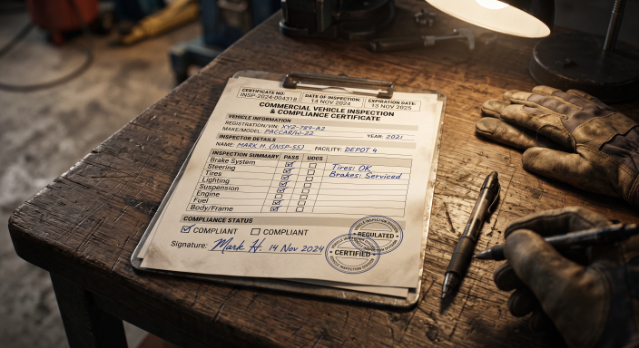
- Request documentation for parts installed, including part numbers and supplier invoices.
- Confirm whether using an aftermarket part affects warranty coverage or insurance claims.
- Consider long-term value and potential resale implications, not only immediate cost.
Conclusion
Choosing OEM parts for auto body repairs can support proper fit, preserve engineered crash behavior, and maintain finish quality. Decisions about parts should weigh safety, warranty implications, insurance rules, and total ownership cost. Documentation and verification from repair shops help ensure transparency about what components are used.
Frequently asked questions
Are OEM parts for auto body repairs necessary?
OEM parts are not always legally required, but they are often recommended for structural or safety-related components because they are manufactured to the vehicle maker's specifications. For cosmetic repairs, aftermarket options may be acceptable depending on quality and fit. Vehicle owners should weigh safety, warranty, and resale considerations when deciding.
How can a vehicle owner verify that OEM parts were used?
Ask the repair facility for part numbers, supplier invoices, or manufacturer certificates. Cross-check part numbers with the vehicle manufacturer's parts catalog and request written confirmation on the repair invoice listing the part source.
Do aftermarket parts affect vehicle safety?
Some aftermarket parts meet equivalent standards and perform well, but others may differ in materials, fit, or corrosion resistance. For safety-critical components, even minor deviations can change crash energy behavior, so OEM parts are often preferred for those applications.
Will using aftermarket parts reduce the vehicle warranty?
Warranty effects vary by manufacturer and region. In many cases, a warranty is not automatically voided by the use of aftermarket parts, but coverage for failures linked to a non-OEM component may be limited. Review warranty terms or contact the manufacturer to confirm specifics.
What documentation should be kept after a repair?
Keep the repair estimate, final invoice, parts documentation with part numbers and source information, and any warranty paperwork provided by the repair shop. These records support future resale, warranty claims, and insurance questions.
References: regulatory guidance from the National Highway Traffic Safety Administration (NHTSA) and industry technical standards that address vehicle repair and safety testing.