Why Businesses Hire a PPC Management Company: Benefits, Checklist & Decision Guide
-

- March 08th, 2026
- 475 views
The decision to partner with a PPC management company starts with the expectation of better outcomes from paid search and paid social. A PPC management company brings specialist skills for campaign structure, bidding strategies, conversion tracking, and creative testing—so teams can scale fast while preserving budget efficiency.
Detected intent: Informational
Why businesses choose a PPC management company
Businesses choose a PPC management company for measurable outcomes: improved return on ad spend (ROAS), clearer conversion tracking, and access to advanced bidding, audience segmentation, and creative testing techniques. A professional vendor typically combines platform expertise (Google Ads, Microsoft Advertising, social ads), campaign architecture, and continual optimization to lower cost-per-acquisition (CPA) and increase qualified conversions.
PPC management company: top benefits explained
Understanding the core advantages helps compare in-house versus outsourced options. Key benefits include:
- Faster setup and scale: Established account structures, ad templates, and scripts let campaigns move from launch to meaningful traffic quickly.
- Technical skills: Conversion tracking (server-side or client-side), attribution modeling, and integrations with analytics platforms are handled by experienced teams.
- Strategic bidding and budget allocation: Automated bidding strategies and portfolio bids are tuned for ROAS and CPA goals, often using advanced rules or machine learning.
- Creative and landing page optimization: Agencies often run A/B tests on creatives and landing pages to improve quality score and conversion rate.
- Resource efficiency: Marketing teams avoid hiring a full-time specialist and offload ongoing maintenance and reporting.
How to decide: PAID PPC Framework checklist
Use a short named framework to evaluate vendors and the in-house option. The PAID PPC Framework (Plan, Audit, Implement, Drive) is a practical checklist for decision-making.
- Plan — Define target CPA/ROAS, conversion events, attribution window, and audience segments.
- Audit — Review existing account structure, tracking, negative keywords, and landing pages for quick wins.
- Implement — Set up tracking, campaign architecture, ad extensions, and bidding rules; deploy A/B tests.
- Drive — Optimize bids, refine audiences, and scale budgets while monitoring incrementality and long-term LTV.
This checklist can be used during vendor selection and for internal readiness checks.
PAID PPC Framework Checklist (printable)
- Have clear conversion definitions and revenue attribution.
- Confirm tracking (GA4, server-side, and platform pixels) is accurate.
- Review match types, negative keyword lists, and campaign naming conventions.
- Verify landing pages load fast and match ad messaging.
- Set initial CPA/ROAS targets and a 90-day test plan for scaling.
Real-world example: small e-commerce brand
A small e-commerce brand selling specialty kitchenware lacked time to optimize Google Ads and Facebook campaigns. After a four-week audit by an external PPC partner, tracking issues were fixed, campaigns were restructured into focused SKAG-style ad groups, and a landing page A/B test improved conversion rate 18%. Over 90 days the store reduced CPA by 22% and achieved a 30% lift in monthly revenue from paid channels. This scenario shows how technical fixes plus structured testing deliver measurable gains.
Practical tips for working with a PPC agency or team
- Share clear business goals and lifetime value (LTV) metrics up front so bidding targets align with profitability.
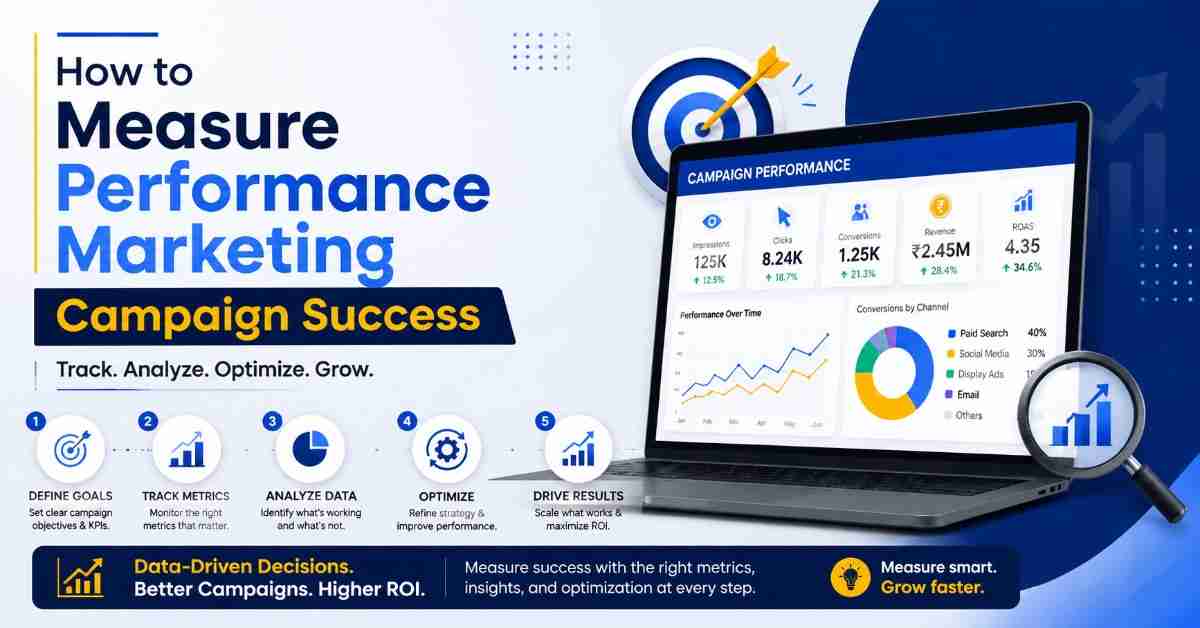
- Require transparent reporting: impressions, clicks, conversions, CPA, ROAS, and incremental lift tests.
- Prioritize tracking integrity first—broken conversion data leads to wasted spend.
- Set a test window (typically 60–90 days) and agreed success criteria before scaling budgets.
Common mistakes and trade-offs when choosing PPC outsourcing
Outsourcing PPC offers speed and expertise but involves trade-offs:
- Control vs. expertise: External teams can act faster but may require governance to align with brand tone and cross-channel strategy.
- Cost vs. ROI: Agency fees vary—pay attention to fee structure (percentage of ad spend, flat retainer, or performance-based) and how it affects net ROI.
- Knowledge transfer: Agencies can create vendor lock-in if documentation and access are not managed properly.
Common mistakes
- Not validating conversion tracking before optimizations begin.
- Focusing on clicks instead of conversion metrics.
- Changing strategy too quickly—algorithms often need time to learn.
Core cluster questions for further reading and internal linking
- What are the measurable benefits of hiring a PPC agency?
- How to audit a PPC account before hiring a vendor?
- When should a small business outsource PPC vs. hire in-house?
- What metrics should be included in a PPC performance contract?
- How to test and scale paid search campaigns without overspending?
For platform-specific best practices and technical guidance on tracking and bidding, consult authoritative resources such as Google Ads best practices and account setup guides. Google Ads best practices.
How to evaluate proposals and measure success
When reviewing proposals, compare the following: scope of work, expected deliverables (reports, tests, optimizations), fee model, references, and sample KPIs. Insist on a kickoff audit and a 90-day test plan that defines baseline metrics and success thresholds. Track both short-term KPIs (CPA, CTR, conversion rate) and longer-term metrics (LTV, retention, incremental revenue).
When in-house hiring makes sense
Consider hiring in-house when the business runs high-volume, highly specialized campaigns that require tight integration with internal data, or when marketing volume justifies a full-time specialist and reduces vendor fees. For many small to mid-sized businesses, hybrid approaches (agency plus in-house manager) often offer the best balance.
FAQ: What businesses need to know
When should a business hire a PPC management company?
Hire a PPC management company when internal bandwidth is limited, campaign performance is stagnant, conversion tracking is unreliable, or the goal is to scale paid channels quickly with professional optimization. A short audit can reveal if outsourcing will pay for itself within several months.
What are typical pricing models for PPC management?
Common pricing models include percentage of ad spend, flat monthly retainer, hourly consulting, or performance-based fees. Each model affects incentives; require clear KPIs and reporting to align outcomes with business goals.
How long does it take to see results from a new PPC engagement?
Expect initial technical fixes and quick wins within 2–4 weeks; meaningful performance improvements and stable algorithmic bidding often take 60–90 days. Use the initial period for data collection and hypothesis testing.
Can a PPC management company help with landing pages and conversion rate optimization?
Yes—many firms provide CRO services or coordinate with designers. Effective PPC performance depends on landing page relevance, load speed, and clear calls to action.
How does a company ensure it avoids vendor lock-in?
Require documented account access, exportable reports, runbooks, and a knowledge-transfer clause in contracts. Maintain ownership of ad accounts and analytics property to preserve flexibility.